
Diseases
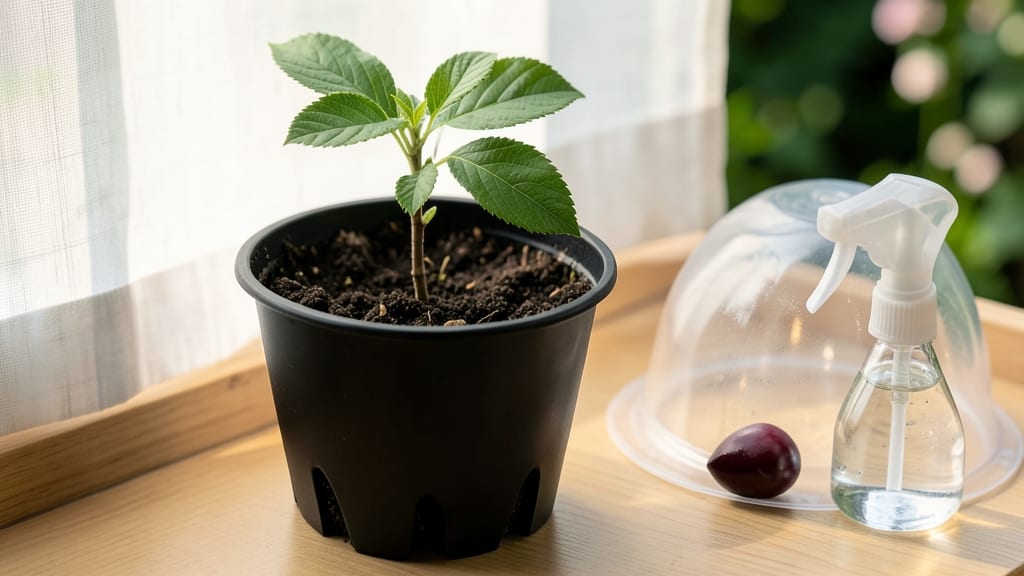
You can grow a cherry tree from a cherry seed, but the process is unpredictable: most seeds produce wild, non-fruiting trees with random traits, and successful germination requires cold treatment or scarification. Success demands patience and careful nurturing.
Growing cherries from seed is more about the adventure than guaranteed results. 🌱 The seeds from store-bought cherries often yield trees that take 10-15 years to fruit (if ever), with fruit quality far inferior to cultivated varieties.
What's fascinating is how nature's randomness comes into play—each seed carries unique genetic potential. For example, a seed from a sweet Bing cherry might grow into a tree producing tart, wild fruit completely different from its parent. This unpredictability is why serious cherry growers typically start with grafted trees instead.
Here's the science behind the challenge: cherry seeds have hard seed coats that prevent water absorption, requiring either cold stratification (60 days in moist sand at 35-40°F) or mechanical scarification (lightly sanding the seed coat). Without this treatment, germination rates drop below 10%.
Even with proper preparation, seedlings may take 3-6 months to sprout, and many never survive past the first year. The few that do thrive often develop into beautiful but fruitless ornamental trees.
💡 In This Article
- Cherry Seed Germination Requirements and Challenges
- Step-by-Step Guide to Grafting Cherry Seedlings for Fruit Bearing
Cherry seed germination requirements and challenges
Cherry seeds enter a natural state called dormancy, where their hard outer shells block water and oxygen from reaching the embryo inside.
This protective mechanism ensures seeds only sprout under ideal conditions—typically after a cold winter period. 🌱 For cherry seeds, this means they need either 60-90 days of cold stratification (mimicking winter) at 35-40°F in moist sand or soil, or mechanical scarification (lightly filing the seed coat) to break dormancy.
Without this treatment, germination rates plummet to below 10%, and seeds may take years—or never—sprout.
The seed source makes a huge difference in viability. Seeds from sweet cherries (like Bing or Rainier) often have lower germination rates than those from sour cherries (like Montmorency), which are bred for hardiness.
Even when successful, seedlings may take 3-6 months to emerge, with the first leaves appearing as tiny, delicate cotyledons. The real challenge? Many seedlings develop into trees that never fruit, producing instead small, tart berries unrecognizable to their parent variety. This genetic roulette is why commercial growers avoid seed-grown cherries.
What's happening scientifically? The seed coat contains abscisic acid, a hormone that suppresses germination until conditions are right. Cold stratification breaks down this hormone while activating gibberellins, which trigger growth.
This dual process explains why simply planting seeds in warm soil yields almost no results—nature demands patience. 🌱 Once sprouted, seedlings need consistent moisture and 60-70°F daytime temperatures to thrive, with roots developing slowly over their first year.
Another critical factor is seed freshness. Cherries sold in stores are often 1-2 years old by the time they reach your kitchen, reducing viability. For better odds, use seeds from fresh, locally grown cherries or store them in a cool, dry place until planting.
Even then, expect only 20-30% success with stratification—far lower than commercial seed packets. The unpredictability is part of the fun, but it also explains why most gardeners opt for grafted trees when they want reliable fruit production.
If you're determined to try, start by collecting seeds from organic, pesticide-free cherries—conventional varieties may have treated seeds that won't sprout. After stratification, plant seeds ½ inch deep in well-draining soil and maintain even moisture.
The first true leaves (not cotyledons) will appear in 4-8 weeks, signaling successful germination. Patience is key: some seedlings take 6 months to break through the soil, and many never make it past the first year.
For those who succeed, the reward is watching a tree grow from a tiny seed—even if it never bears fruit.
The journey teaches valuable lessons about plant biology, dormancy, and the random beauty of nature. 🌱 Whether you're a scientist or a backyard gardener, understanding these challenges transforms seed growing from luck into a skill.