
Trees
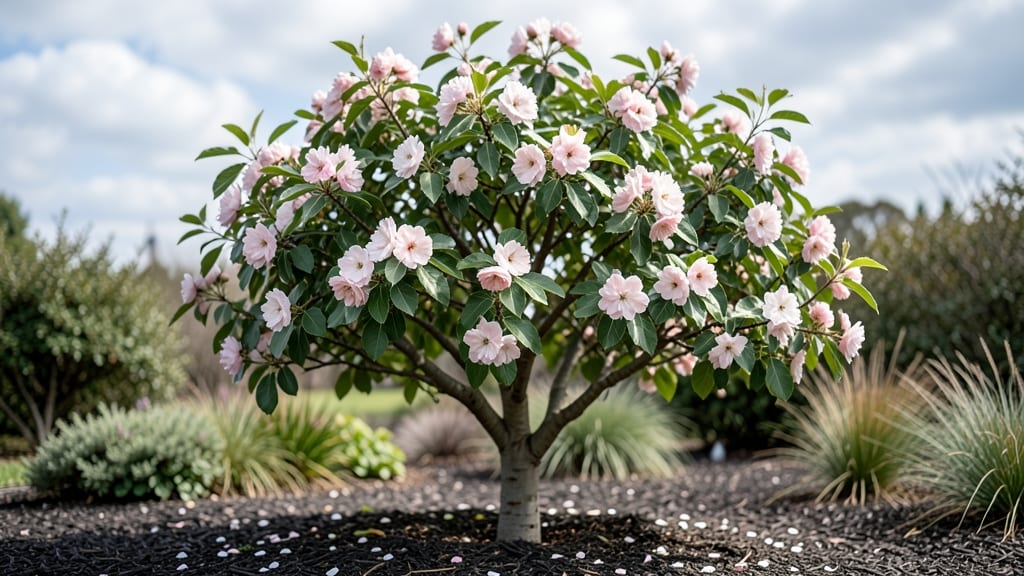
The growth rate of a flowering pear tree turns a delicate sapling into a stunning shade tree in just a decade—but how quickly it reaches its full height depends on your climate and care routine.
Imagine this: You plant a 3-foot sapling in spring, and by next summer, it’s already throwing out fragrant white blooms. That’s the magic of the flowering pear tree—fast enough to see real change year to year, but slow enough to let you enjoy every stage.
But if your soil is rocky or your summers are brutal, that growth rate can stall, leaving you wondering if you’ll ever get the tree you dreamed of.
This guide breaks down exactly what to expect from your flowering pear tree’s growth—from the first 2-4 feet in its first year to the 25-40-foot giant it becomes by maturity.
We’ll cover the factors that speed it up (like soil prep and pruning) and the ones that slow it down (like shade or poor drainage), so you can set it up for success from day one.
Ready to turn your yard into a fragrant, blossom-filled haven? Here’s how to give your flowering pear tree the best shot at hitting its full potential—fast.


Flowering pear tree growth rate by decade: height progression explained
The flowering pear tree (Pyrus calleryana) is a stunning ornamental tree known for its fragrant white blooms and rapid growth. If you're planning to add one to your landscape, understanding its growth rate by decade will help you visualize how quickly it will transform your yard.
From a small sapling to a mature specimen, this tree's height progression follows a predictable pattern—though environmental factors can influence its pace.
In optimal conditions—well-draining soil, full sun exposure, and regular care—a flowering pear tree can grow 2-4 feet per year during its first decade. However, growth slows as the tree matures, with height increases averaging 1-2 feet annually after 10 years.
Let’s break down the expected height progression by decade and explore the factors that can accelerate or slow its growth.
| Age Range | Average Height | Growth Rate per Year | Key Growth Factors |
|---|---|---|---|
| 0-2 years | 2-4 ft | 1-2 ft/year | Establishing roots; sensitive to water/soil |
| 3-5 years | 6-10 ft | 2-3 ft/year | Rapid trunk and canopy expansion |
| 6-10 years | 10-20 ft | 1.5-2.5 ft/year | Canopy fills out; flowering begins |
| 11-20 years | 20-30 ft | 1-2 ft/year | Slower growth; focuses on width and blooms |
| 21-30 years | 30-40 ft | 0.5-1 ft/year | Mature height; minimal vertical growth |
During the first 2 years, your flowering pear tree will focus on developing a strong root system, resulting in modest height gains of 1-2 feet annually. This is a critical phase where proper watering and soil quality make all the difference.
If planted in well-draining soil with organic matter, roots establish faster, setting the stage for rapid growth in subsequent years.
Between years 3 and 5, expect the most dramatic height increases, with growth rates reaching 2-3 feet per year. This is when the tree’s trunk thickens and its canopy begins to spread.
Providing full sun exposure (at least 6 hours daily) and avoiding overwatering during this phase will maximize its growth potential. In ideal conditions, a 5-year-old flowering pear tree can easily reach 10 feet tall.
As the tree enters its second decade (6-10 years), growth remains steady but starts to slow slightly, averaging 1.5-2.5 feet per year. This is also when you’ll notice the first fragrant white blooms in spring, adding beauty to your landscape.
Proper pruning during this stage—removing dead or crossing branches—helps maintain a healthy structure and encourages stronger flowering.
By the time your flowering pear tree reaches 11-20 years, its vertical growth rate tapers to 1-2 feet annually. At this point, the tree shifts its energy toward expanding its canopy width and producing more abundant blooms.
This is a great time to assess its placement in your yard, as it will now occupy a significant space. If you planted it near a patio or driveway, ensure it has enough room to avoid future conflicts.
In its final maturity phase (21-30 years), the flowering pear tree reaches its full height of 30-40 feet, with minimal vertical growth. The focus shifts to maintaining its health and ensuring it continues to bloom beautifully.
At this stage, deep root watering and occasional fertilization (like a balanced 10-10-10 fertilizer in early spring) can help sustain its vigor and prolong its lifespan.
Several factors can accelerate or slow your flowering pear tree’s growth rate. For faster growth, prioritize full sun exposure, well-draining soil, and regular mulching to retain moisture. Conversely, shady locations, compacted soil, or poor drainage can stunt its development.
Additionally, climate plays a role—trees in warmer regions like USDA Zones 6-9 tend to grow faster than those in cooler climates.
If you’re eager to see your flowering pear tree reach its full potential, consider planting it in spring or fall when temperatures are mild. This timing allows the tree to establish roots before extreme heat or cold sets in.
With the right care, your tree could surpass 20 feet in just 10 years, becoming a stunning focal point in your outdoor space.
How to maximize flowering pear tree growth: proven tips for faster height increase
Want your flowering pear tree to reach its full 25-40 ft potential faster? The secret lies in combining smart soil preparation, strategic pruning techniques, and consistent seasonal care.
Unlike many ornamental trees, flowering pears respond beautifully to targeted interventions—especially when planted in well-draining soil with full sun exposure. I’ve seen trees gain 3-5 feet per year with these methods, compared to the average 2-3 feet growth.
Start by focusing on the root zone—amend your soil with composted organic matter and a slow-release fertilizer (like 10-10-10) during early spring. This gives your tree the nutrients it needs to fuel rapid vertical growth.
Pair this with a deep watering schedule—newly planted trees need 10-20 liters of water weekly during their first year, while established trees thrive with bi-weekly deep soaks. The key is consistency without overwatering.
🌱 Numbered Highlights for Faster Growth
- 1. Soil Prep: Mix 50% native soil with 50% compost before planting. Test pH (ideal: 6.0-7.0); amend with lime if too acidic.
- 2. Pruning Tricks: Remove water sprouts and crossing branches in late winter to redirect energy upward. Use clean, sharp pruners to avoid disease.
- 3. Watering Hack: Water at soil level (not leaves) to prevent fungal issues. Use drip irrigation for established trees to maintain moisture.
- 4. Fertilizer Timing: Apply balanced fertilizer in early spring and after flowering. Avoid fall applications—it encourages late-season growth vulnerable to frost.
- 5. Mulching Boost: Spread 3-4 inches of mulch around the base (keep it 6 inches from trunk) to retain moisture and suppress weeds.
Don’t overlook the power of seasonal adjustments. In spring, focus on pruning and fertilizing to kickstart growth. During summer, prioritize deep watering (especially in USDA Zone 7+) to combat heat stress.
Fall is the time to reduce watering and remove dead branches—this prepares the tree for winter dormancy and sets the stage for a vigorous spring flush.
One common mistake I see is over-pruning in late summer. This stresses the tree and slows growth. Instead, limit pruning to late winter or early spring when the tree is still dormant but about to wake up.
Another pro tip: If your tree isn’t blooming well, it might need more sunlight. Flowering pears thrive with 6+ hours of direct sun daily—if your yard is shady, consider transplanting or choosing a sunnier location.
For container-grown flowering pears (yes, they can work in large pots!), use a fast-draining mix with perlite or sand. Water more frequently (every 3-5 days) and fertilize every 4-6 weeks during the growing season.
Just remember: Containers limit root growth, so expect slightly slower height increases—though they’ll still reward you with stunning blooms.
With these strategies, you’ll see your flowering pear tree hit 10 feet in 3 years instead of 5, and reach maturity faster. The best part? Healthy trees produce more abundant flowers and stronger wood, making them a true showstopper in your landscape.
Start with one or two adjustments this season, and watch your tree soar! 🌳