
Blooming
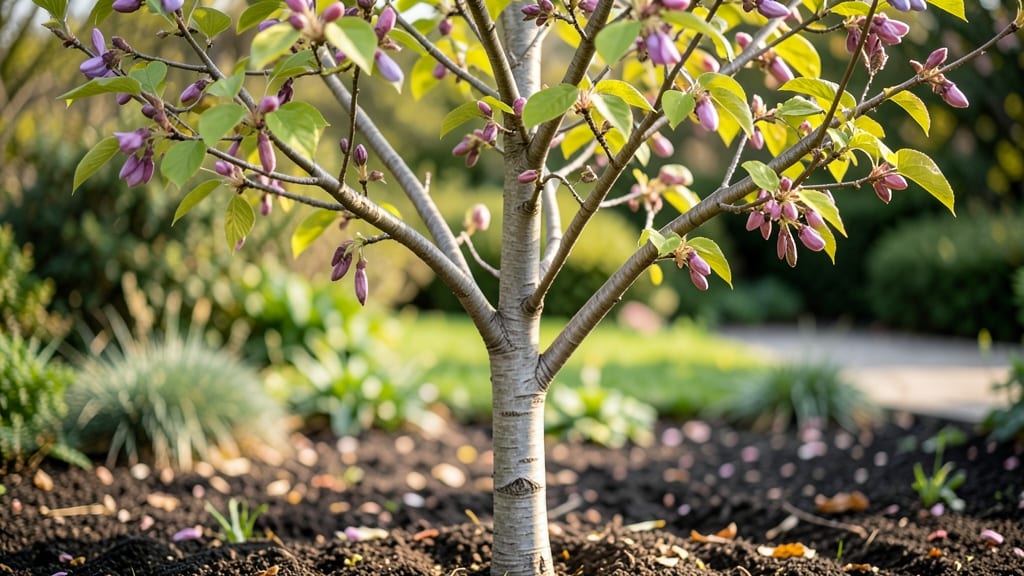
Your redbud tree just put on the most stunning pink show of spring—now it’s time to keep that drama going for years. ✨ The secret to next year’s blooms starts with what you do after those heart-shaped flowers fade, and it’s easier than you think.
Most gardeners rush to prune too soon or skip the summer care that makes all the difference.
First, wait 4-6 weeks after blooming before touching those branches—this gives the tree time to set next year’s flower buds. Then, prune only to remove dead wood or shape the canopy, cutting just outside the branch collar.
A little mulch around the base now keeps roots cool and moist, while a light feeding of composted manure or balanced fertilizer (10-10-10) gives it the energy it needs for summer growth.
Watering becomes key once summer hits—deep watering once a week (more in extreme heat) encourages strong root development. Watch for Japanese beetles or aphids, which love redbuds, and blast them off with water or use neem oil if they stick around.
By following these steps, you’ll see thicker foliage and even more vibrant blooms next spring.
This care routine works for redbuds in full sun or partial shade, whether they’re young saplings or mature trees. The best part? You’ll spend less time fixing problems later and more time admiring that pink canopy every spring. Here’s how to make it happen without the guesswork.
📚 In This Guide
- What you need
- Instructions
- Tips and common mistakes
- Wrapping up and next steps
What you need
- ● Pruning shears: Bypass pruners with sharp, clean blades (for small branches, ¼-inch to ½-inch thick).
- ● Loppers: 1 pair (for branches ½-inch to 1½-inch thick—look for bypass or anvil styles with a 10-12 inch handle for leverage).
- ● Pruning saw: 1 handheld saw (for thicker branches 1½-inch+—choose a bow or curved blade for precision cuts).
- ● Gloves: Heavy-duty gardening gloves (to protect against thorns and rough bark).
- ● Disinfectant: 70% isopropyl alcohol or a 10% bleach solution (to sterilize tools between cuts and prevent disease).
- ● Rubbing alcohol wipes: 5-10 wipes (for quick tool cleanups in the field).
- ○ Pruning sealant: Optional but helpful (for sealing large cuts on 2-inch+ branches—choose a latex-based or pruning paint).
- ● Trash bags: 2-3 heavy-duty bags (for collecting pruned branches and debris).
- ● Ladder (if needed): A sturdy, extendable ladder (for reaching high branches—ensure it’s rated for your height and weight).
- ● Hand pruners with a ratchet: For extra leverage on stubborn branches.
- ● Extension pole saw: If your tree is tall and you prefer not to climb.
- ● Marking twine or flags: To tag branches for removal (helpful for complex pruning plans).
- ● Compost bin or chipper: For recycling pruned wood into mulch.
- ● Safety glasses: To protect your eyes from debris.
Step-by-step instructions for pruning your redbud tree after bloom
Spring’s the perfect time to shape your redbud’s future—here’s how to do it right.
✂️ Step 1: Wait for the Right Time to Prune
Hold off until after the tree finishes blooming but before new leaves fully harden. This usually falls in late April to early May, depending on your climate zone. I know it’s tempting to tidy up right after those stunning pink blooms fade, but pruning too early removes next year’s flower buds hidden on last year’s growth.
Check the tree’s leaves—they’ll start as soft, tender new growth. When you see 1-2 inches of fresh green leaves on branches, that’s your cue. This timing ensures you’re not cutting off potential blooms while still shaping the tree before summer’s heat sets in.
✂️ Step 2: Remove Dead, Diseased, or Crossing Branches First
Start by scanning the tree for any branches that are dead (no leaves, brown and brittle), diseased (black spots, oozing sap), or rubbing against each other (crossing branches). These are your top priorities—removing them improves airflow and prevents future issues. I use sharp, clean pruning shears to make cuts just outside the branch collar (the swollen area where the branch meets the trunk).
For larger branches over ½ inch thick, use a pruning saw. Cut on the underside of the branch, angled slightly away from the trunk, to prevent water from pooling and rotting the wound. Don’t leave stubs—always cut back to the branch collar for a clean, fast-healing cut.
✂️ Step 3: Thin Out the Canopy for Better Airflow
Redbuds naturally grow with an open, vase-like shape, but over time, branches can get crowded. Focus on thinning by removing 10-20% of the smallest branches from the outer edges inward. This opens up the canopy so sunlight reaches all parts of the tree, which encourages healthier growth and better blooms next spring.
Look for branches that grow straight up or inward—they’re the ones causing congestion. Cut them back to a side branch or the trunk. You’ll know you’ve done enough when you can see light filtering through the branches from above. Avoid heavy pruning in one spot—distribute cuts evenly around the tree.
✂️ Step 4: Shape the Tree for Balance and Form
Now it’s time for light shaping. Redbuds have a natural grace, so I keep cuts minimal—just enough to maintain a balanced silhouette. Focus on removing branches that spoil the tree’s symmetry, like those growing too close to the ground or those that create an unnatural hump in the canopy.
Step back often to visualize the tree’s shape. You want to preserve its open, airy structure while gently guiding it toward a more refined look. Avoid cutting more than 25% of the tree’s foliage in one session—this prevents stress and ensures a strong recovery. For larger branches, make cuts in stages over a few years if needed.
💧 Step 5: Clean Up and Care for Your Pruned Tree
After pruning, rake up all the debris and dispose of it properly—don’t leave clippings on the ground, as they can harbor pests or diseases. I like to apply a layer of mulch (2-3 inches thick) around the base of the tree, keeping it 3-4 inches away from the trunk to prevent rot. Water deeply to help the tree recover, especially if you’ve done heavier pruning.
Monitor the tree over the next few weeks. You’ll see new growth emerge from the pruned areas within 2-4 weeks, signaling that the tree is healing well. If you notice any yellowing leaves or oozing sap at the pruning sites, it could mean the cuts were too deep or the tree is stressed—adjust your approach for next time.
Tips & tricks for perfect redbud tree pruning after bloom
Timing and technique make all the difference when shaping your redbud—these pro tips will help you avoid common pitfalls and keep your tree thriving.
Timing is Everything: The late April to early May window is critical because that's when redbuds set next year's flower buds on old wood. If you prune too early, you risk removing those hidden buds before they form. I've learned the hard way—after pruning too soon, my tree's spring blooms were noticeably sparser. Wait until you see those 1-2 inches of fresh green leaves on branches, which signals the buds have already formed but new growth is just starting.
Tool Prep Matters: Always disinfect your pruning shears and saw with rubbing alcohol before you start. I keep a small bottle in my gardening caddy for this purpose—it prevents spreading diseases between cuts. For larger branches over ½ inch thick, use a pruning saw and make your cut on the underside of the branch, angled away from the trunk. This creates a smoother wound that heals faster and reduces the risk of rot. I've seen too many pruning wounds develop black spots when cuts weren't made properly.
Visual Pruning Guide: When thinning the canopy in Step 3, imagine you're looking at the tree through a window screen—you want light to filter through easily. Focus on removing branches that grow straight up or inward first, as these create the most congestion. After each cut, step back and scan the tree from different angles. This helps you visualize the open, airy structure redbuds naturally grow toward. I've found that removing just 10-20% of the smallest branches makes a dramatic difference in airflow without stressing the tree.
Post-Pruning Care: After cleaning up, apply that 2-3 inch layer of mulch around the base but keep it 3-4 inches away from the trunk—this prevents rot while keeping roots cool. I've noticed that pruned trees recover faster when given this extra care, especially in hot climates. Watch for new growth in 2-4 weeks—this is your sign that the tree is healing well. If you see yellowing leaves or oozing sap at the pruning sites, that means your cuts were too deep or the tree is stressed from too much pruning at once.
Pro Tips for Redbud Tree After Bloom
- Timing and technique make all the difference when shaping your redbud—these pro tips will help you avoid common pitfa...
- Timing is Everything: The late April to early May window is critical because that's when redbuds set next year's flow...
- Tool Prep Matters: Always disinfect your pruning shears and saw with rubbing alcohol before you start. I keep a small...
Frequently asked questions
Got questions about your redbud tree after those stunning blooms fade? You’re not alone! Here are some of the most common queries—and answers—to keep your tree thriving.
When is the best time to prune a redbud tree after it blooms?
The ideal window is right after blooming (late spring) but before new growth hardens. Prune too late, and you risk cutting off next year’s flowers. Aim for April to early May in most climates. If you miss this, wait until summer—but avoid heavy pruning then.
How much can I trim without harming the tree?
Redbuds are resilient, but never remove more than 25% of the canopy in one season. Focus on dead, diseased, or crossing branches first. Thin out crowded areas to improve airflow, but avoid over-pruning—this can stress the tree and reduce future blooms. Pro tip: Use sharp tools and make clean cuts just above a bud or branch collar.
Will pruning affect next year’s flowers?
Yes, but not if done correctly! Redbuds bloom on old wood, so prune after flowering to preserve next year’s buds. Avoid heavy cuts to branches that haven’t bloomed yet. If you must prune early, skip the flower-laden branches—save them for later!
What if my redbud tree isn’t blooming after pruning?
Several factors could be at play:
- Age: Young trees (under 3 years) may not bloom yet.
- Light: Redbuds need full sun (6+ hours/day)—check for shade issues.
- Nutrients: A light balanced fertilizer in early spring can help.
- Stress: Over-pruning or drought can delay blooms.
Can I shape a redbud tree like a hedge or topiary?
Redbuds aren’t ideal for formal hedges—they’re small, deciduous trees with delicate branches. However, you can lightly shape them for a natural, open look. Avoid shearing (which damages buds) and opt for selective pruning to encourage an airy form. For hedges, consider alternative shrubs like lilacs or abelia.
Wrapping up and next steps
Your redbud tree’s post-bloom transformation doesn’t have to be a mystery—with the right pruning techniques, it can thrive year after year! 🌿 By understanding when, how, and why to trim, you’re giving your tree the care it needs to flourish, support wildlife, and even boost its lifespan.
Now that you’re armed with these secrets, there’s no better time to grab those shears and get to work.
Ready to take the next step? Mark your calendar for late spring or early summer—your redbud’s future beauty starts with just a few cuts! 🌸