
Trees
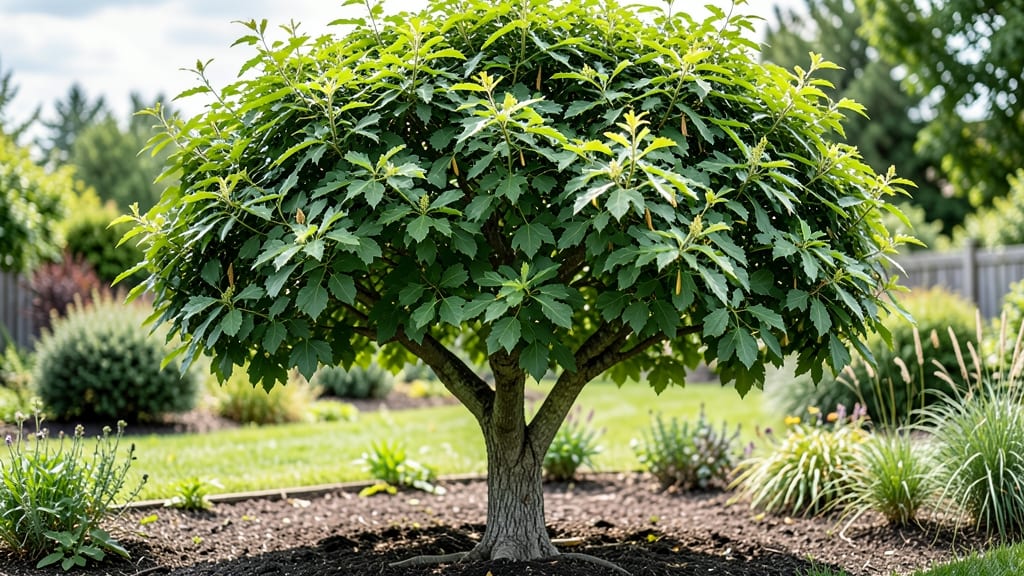
Japanese elm tree leaves turn crispy-edged and brittle when they shouldn’t—it’s a sign your tree’s fighting something. 🌳 I’ve seen this happen after years of neglect, and the good news is most issues fix with the right pruning and care.
The key is catching problems early, whether it’s fungal spots, pest damage, or just environmental stress. Start by inspecting the leaves for telltale signs: yellowing patches, curled edges, or tiny webs (that’s spider mites).
Japanese elms are tough but not immune—Dutch elm disease is rare, but powdery mildew and aphids love them. Prune affected branches in late winter or early spring, and water deeply during dry spells to keep foliage lush and resilient.
📚 In This Guide
- What you need
- Instructions
- Tips and common mistakes
- Wrapping up and next steps
What you need
- ● Pruning shears: Bypass pruners (for cuts up to ½ inch thick) – 1 pair (look for ergonomic, stainless steel blades for durability).
- ● Loppers: Bypass or anvil type (for cuts up to 2 inches thick) – 1 pair (choose ratcheting loppers for leverage on tough branches).
- ● Pruning saw: Curved-tooth or folding saw (for branches over 2 inches thick) – 1 (opt for a lightweight, compact design for portability).
- ● Gloves: Heavy-duty, cut-resistant – 1 pair (nitrile-coated gloves work well for grip and protection).
- ● Ladder: Sturdy, extendable aluminum ladder – 1 (ensure it’s rated for your height needs and has non-slip feet).
- ● Disinfectant: 70% isopropyl alcohol or bleach solution (1 part bleach to 9 parts water) – small bottle or spray (to sterilize tools between cuts and prevent disease spread).
- ● Heavy-duty trash bags: 10-20 gallon size – 2-3 bags (for collecting pruned branches and debris).
- ● Safety gear: Safety glasses or goggles – 1 pair
- ● Long sleeves and pants (preferably lightweight, breathable fabric)
- ● Pruning sealant: Tree wound dressing (for larger cuts, though modern research suggests minimal use unless sealing a major wound).
- ● Extension pole pruners: For high branches (if you prefer not to use a ladder).
- ● Work gloves with grip: For handling slippery or wet branches.
- ● Notebook & pen: To jot down notes on pruning decisions or tree health observations.
- ○ Tree growth regulator: Optional spray (consult a local nursery for recommendations tailored to your climate).
How to prune Japanese elm trees for year-round beauty
This graceful tree thrives with the right care—here's how to shape it beautifully while keeping it healthy.
✂️ Step 1: Time Your Pruning for Optimal Growth
Prune your Japanese elm in late winter or early spring before new growth begins. This timing ensures you remove dead wood while stimulating fresh, vibrant foliage. Avoid pruning in fall—new growth won't harden off before winter, leaving branches vulnerable to cold damage. I always check for bud swell (small bumps on branches) as my cue that it's time to start.
For light maintenance, you can also prune in summer after flowering to shape the tree without disrupting its natural cycle. Just avoid heavy pruning then—it stresses the tree when it's already working hard to produce leaves. If you must prune in summer, do it in early morning or late evening to reduce stress from heat and sun exposure.
✂️ Step 2: Remove Dead, Diseased, or Weak Branches First
Start by inspecting the tree for dead branches—they'll be brittle, snap easily, and have no green underneath the bark. Use clean, sharp pruning shears to make clean cuts just outside the branch collar (the swollen area where the branch meets the trunk). This prevents unsightly stubs and helps the tree heal faster.
Next, look for branches with disease or pests—yellowing leaves, black spots, or sawdust-like frass (insect droppings) are red flags. Remove these immediately, then disinfect your tools with 70% rubbing alcohol to prevent spreading issues to healthy parts of the tree. I always prune from the bottom up to avoid jumping around and missing spots.
✂️ Step 3: Thin the Canopy for Airflow and Light
Japanese elms love light, so aim to remove 10-20% of the canopy to improve airflow and reduce disease risk. Focus on branches that cross or rub against each other—they'll eventually wound the tree. Cut these back to the nearest healthy branch or bud, making sure your cut is at a 45-degree angle if it's larger than ½ inch in diameter.
Watch for water sprouts (fast-growing, vertical shoots) and suckers (shoots from the base)—these steal energy from the main structure. Remove them completely at the base. You'll know you're thinning correctly when you can see light filtering through the branches and the tree's shape looks balanced from all sides.
☀️ Step 4: Shape the Tree for Balance and Aesthetics
Step back and visualize the tree's natural shape—Japanese elms often grow with a rounded, vase-like form. Prune to enhance this shape by shortening branches that grow too long or too low. Use your shears to cut just above an outward-facing bud to encourage new growth in the right direction. Avoid cutting back more than ⅓ of any branch's length in one season—this prevents shock.
Pay special attention to the lower branches—if they're shading your lawn or sidewalk, you can remove them gradually over a few years. Just don't strip the entire lower canopy at once, or the tree may struggle to recover. I like to prune a few branches each year to keep the tree's proportions even as it grows.
🌱 Step 5: Clean Up and Monitor for Recovery
After pruning, rake up and dispose of all debris—this prevents pests and diseases from taking hold. If you have a compost pile, only add healthy, disease-free branches (never diseased wood). Water the base of the tree deeply but not soggy to help it recover, especially if you did heavy pruning. You'll see new growth within 4-6 weeks if the timing and cuts were right.
Keep an eye on the tree in the weeks after pruning. If you notice yellowing leaves, wilting, or excessive sap, you may have pruned too aggressively. In that case, hold off on further pruning until the tree regains its strength. With the right care, your Japanese elm will reward you with lush, year-round foliage and a stunning silhouette in your landscape.
Tips & tricks for perfect Japanese elm tree pruning
Pruning your Japanese elm isn't just about cutting branches—it's about sculpting a masterpiece that thrives year after year. Here's what I've learned from years of shaping these elegant trees.
Timing is Everything: The late winter or early spring window is critical because that's when the tree is dormant but about to burst with new growth. I've seen people prune in fall and end up with weak branches that don't survive winter—don't make that mistake! For summer pruning (which is fine for light maintenance), always do it in early morning or late evening to avoid stressing the tree during peak heat. The key is to never prune when the tree is actively growing at its hardest.
Tool Preparation Makes All the Difference: Before you even touch the tree, sharpen your pruning shears and clean them with 70% rubbing alcohol. Dull tools crush branches instead of making clean cuts, which slows healing and invites disease. I keep a small bottle of rubbing alcohol in my gardening toolkit specifically for this purpose—it takes 30 seconds but prevents so many problems. And always cut just outside the branch collar, never flush with the trunk, or you'll create wounds that take forever to heal.
Visualize the Final Shape: Step back and look at your tree from all angles before making any cuts. Japanese elms naturally grow with that beautiful rounded, vase-like form, so work with it, not against it. I like to sketch a rough outline on paper first—this helps me see which branches need shortening and which should stay. Remember, you're aiming for that light filtering through the branches effect—when you can see sunlight dappling the ground beneath, you know you've done it right.
Recovery Checklist: After pruning, don't just walk away! Rake up all debris immediately to prevent pests and diseases from taking hold. Water deeply but not soggy—think of it like giving the tree a refreshing drink after a workout. Then monitor closely for the first 6 weeks. If you see yellowing leaves or excessive sap, you've probably pruned too aggressively. The tree will tell you what it needs if you're paying attention.
Pro Tips for Japanese Elm Tree Leaves
- Pruning your Japanese elm isn't just about cutting branches—it's about sculpting a masterpiece that thrives year afte...
- Timing is Everything: The late winter or early spring window is critical because that's when the tree is dormant but ...
- Tool Preparation Makes All the Difference: Before you even touch the tree, sharpen your pruning shears and clean them...
Frequently asked questions
Got questions about caring for your Japanese Elm tree and its stunning leaves? You’re not alone! Here are some of the most common queries—plus quick, actionable answers to keep your tree thriving year-round.
When is the best time to prune Japanese Elm tree leaves for optimal growth?
Prune your Japanese Elm in late winter or early spring (before new growth begins) to avoid stressing the tree. Light shaping can also happen in summer after flowering, but avoid heavy cuts during fall or winter when the tree is dormant. Pro tip: Never prune when leaves are wet (like after rain) to prevent disease.
Why are my Japanese Elm tree leaves turning yellow or brown?
Yellowing leaves often signal overwatering or poor drainage, while brown edges may mean underwatering or drought stress. Check soil moisture (top 2 inches should be dry) and ensure the tree gets 6+ hours of sunlight daily. Troubleshoot: Test soil pH (ideal: 6.0–7.5) and fertilize lightly in spring if growth is sluggish.
Can I use Japanese Elm leaves for mulch or compost?
Yes! Dry Japanese Elm leaves make excellent mulch—spread them 2–3 inches thick around the base (but avoid piling against the trunk). For compost, shred leaves first to speed decomposition. Bonus: They’re great for suppressing weeds naturally. Note: Avoid using diseased leaves in compost.
Are Japanese Elm trees invasive, and should I remove them?
Japanese Elms (Ulmus davidiana) are not considered invasive in most U.S. regions, unlike their cousin, the Siberian Elm. However, they can spread via suckers if not pruned. If your tree is healthy and in a suitable climate (zones 4–8), there’s no need to remove it—just monitor growth and prune aggressively in early spring.
How do I protect Japanese Elm leaves from pests like Japanese beetles?
Japanese beetles love Elm leaves! Handpick adults early morning or use neem oil spray (mix 1 tbsp/quart water, spray undersides of leaves). For severe infestations, apply pyrethrin-based insecticide in late summer. Preventative tip: Plant beetle-repelling companions like marigolds or catnip nearby.
What’s a good alternative tree if I want similar shade but lower maintenance?
If Japanese Elms seem high-maintenance, try:
- Ginkgo tree – Disease-resistant, golden fall color, and tolerates urban pollution.
- Serviceberry (Amelanchier) – Compact, white flowers, and edible berries.
- Lindens (Tilia) – Fast-growing, fragrant flowers, and great for shade.
Wrapping up and next steps
Japanese elm tree leaves bring year-round beauty with their elegant shape and vibrant colors—whether lush green in summer or fiery hues in autumn. By mastering strategic pruning, you’ll encourage healthier growth, stunning foliage, and even easier maintenance.
Whether you’re a seasoned gardener or just starting, this tree is a rewarding addition to any landscape!
Ready to transform your outdoor space? Pick a sunny spot, gather your tools, and start pruning! Your Japanese elm will thank you with graceful, thriving leaves for seasons to come. 🌿✨