
Trees
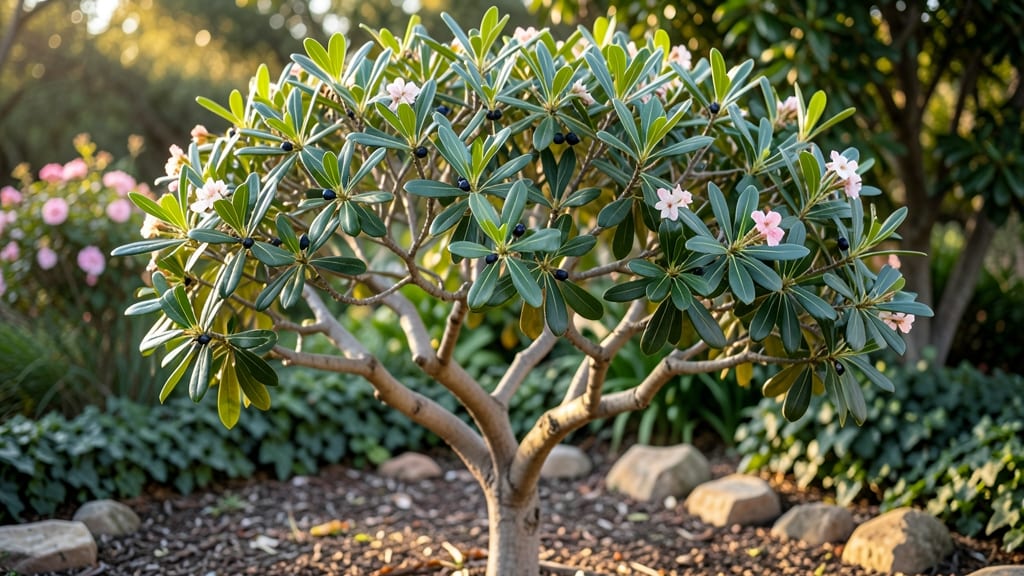
Myrtle tree leaves turn your kitchen into a fragrant, health-boosting powerhouse—but only if you know how to harvest and care for them properly. 🌿 I’ve spent years perfecting the balance between culinary use and plant health, and the secret lies in timing, pruning, and spotting early signs of stress before they become problems like yellowing or pests.
Start by harvesting leaves in the morning after the dew dries, when their oils are most potent. Look for dark green, glossy leaves—anything yellowing, spotted, or covered in sticky residue (like scale insects) should be trimmed immediately.
A sharp pair of pruners and a bucket of water with a drop of dish soap (for pests) are your best tools. The key is consistency: never take more than 1/3 of the plant’s foliage at once, or you’ll weaken it for the season.
📚 In This Guide
- What you need
- Instructions
- Tips and common mistakes
- Wrapping up and next steps
What you need
- ● Fresh myrtle leaves: Harvest only from non-sprayed, organic trees (aim for 1–2 cups per batch). Look for vibrant, dark green leaves with a fragrant aroma.
- ● Pruning shears or sharp scissors: Use clean, sterilized tools to avoid damaging the tree or introducing pests.
- ● Glass jars or airtight containers: For drying leaves (quart-sized jars work well for small batches).
- ● Paper towels or clean kitchen towels: To pat leaves dry before storage.
- ○ Food processor or mortar & pestle: For grinding dried leaves into powder (optional for teas or seasoning blends).
- ● Drying rack or mesh screen: Elevate leaves for even airflow (or use a dehydrator set to 95°F/35°C).
- ● Fine-mesh strainer: For rinsing leaves if needed (use filtered water only).
- ● Measuring spoons/cups: To standardize doses for teas or remedies (e.g., 1 tsp dried leaves = ~1 tbsp fresh).
- ● Dark glass bottles or tins: For storing dried leaves (blocks light to preserve potency).
- ● Positive identification: Double-check your myrtle tree (e.g., Myrtus communis)—avoid toxic look-alikes like Pittosporum.
- ● Allergy test: Rub a tiny amount of crushed leaf on your skin or sip a tiny tea to test for reactions.
- ● Local foraging guidelines: Confirm harvesting is legal in your area (some regions restrict wild plant collection).
- ● Food-grade storage: Keep leaves away from moisture, heat, and direct sunlight to maintain freshness.
- ● Honey or glycerin: For making myrtle-infused syrups or tinctures.
- ● Olive oil or vinegar: To create flavored oils or vinegars with myrtle.
- ● Labeling tags: To mark jars with harvest dates and uses.
- ● Digital scale: For precise measurements in medicinal preparations.
How to harvest and preserve myrtle tree leaves for cooking and remedies
Here's my go-to method for collecting, storing, and using myrtle leaves year-round.
🌿 Step 1: Identify and Select Mature Leaves
Choose leaves from healthy, disease-free myrtle trees in late spring or early summer when they're at peak flavor. Look for dark green, glossy leaves about 1-2 inches long—younger leaves are too bitter, while older ones have tougher texture. Avoid leaves near the ground or with brown spots, as they may be damaged or diseased.
I like to harvest on a dry morning after the dew has evaporated. This ensures the leaves are crisp and free of moisture, which helps them dry faster and retain their aromatic oils. Use clean, sharp scissors to snip just above a leaf node—this encourages new growth and keeps the plant healthy.
✂️ Step 2: Clean and Prepare the Leaves
Once collected, rinse the leaves under cool water to remove dust, dirt, or insect debris. Gently pat them dry with a clean kitchen towel or paper towels—never wring them, as this bruises the leaves and causes browning. Spread them out on a clean, flat surface or a wire rack to air-dry for 1-2 hours before processing.
Here's the thing—if you're using the leaves fresh, skip drying and proceed to culinary use immediately. But for long-term storage or medicinal preparations, drying is essential. I always remove any remaining stems or thick veins, as these don't dry well and can harbor mold.
🌱 Step 3: Dry the Leaves for Storage
Preheat your oven to its lowest setting, usually around 170-200°F. Arrange the leaves in a single layer on a baking sheet lined with parchment paper, ensuring they don't overlap. Place the sheet in the oven with the door slightly ajar to allow moisture to escape—this prevents condensation and keeps the leaves from becoming soggy.
Check the leaves after 1-2 hours. They're ready when they're completely dry, brittle, and crumble easily between your fingers. If you're drying them outdoors, choose a warm, dry day with good airflow and hang small bundles upside down in a dark, well-ventilated area. This takes 3-5 days but preserves more of the natural oils.
🪴 Step 4: Store for Long-Term Use
Once fully dried, store the leaves in an airtight container, like a glass jar or resealable bag, away from direct sunlight and heat sources. I like to crush the dried leaves lightly with a rolling pin before storing—they'll release their aroma and flavor more easily when used later. Label the container with the date, as dried myrtle leaves retain their potency for up to 6 months.
For culinary use, you can rehydrate dried leaves by steeping them in warm water for 10-15 minutes before adding to dishes. For medicinal purposes, such as teas or tinctures, use the dried leaves directly. Always store in a cool, dark place to maintain freshness and potency.
💧 Step 5: Use Fresh or Dried Leaves in Cooking
Fresh myrtle leaves add a bright, pine-like flavor to dishes like soups, stews, or marinades. Add them whole to cooking liquids and remove before serving, or finely chop them for a more intense flavor. I love using them in Mediterranean-inspired dishes, such as lamb stews or tomato sauces, where their aroma complements the herbs.
For medicinal use, steep 1-2 teaspoons of dried leaves in 1 cup of boiling water for 5-10 minutes to make a tea. This tea is traditionally used to soothe digestive issues or as a mild antiseptic. Always consult a healthcare provider before using myrtle leaves for medicinal purposes, especially if you're pregnant, nursing, or on medication.
Tips & tricks for perfect myrtle leaf preservation
Took me a while to figure these out, so here's what really works for keeping myrtle leaves fresh and flavorful.
Timing Secret for Freshness: In Step 1, harvest leaves in the morning after dew evaporates. This prevents moisture buildup that can cause browning during drying. I've ruined batches by harvesting too late in the day when leaves are damp—always check for crispness before processing. That 1-2 hour air-dry in Step 2 is crucial—it prevents soggy leaves in the oven and preserves those aromatic oils.
Heat Control: When drying at 170-200°F in Step 3, keep that oven door slightly ajar. This might seem counterintuitive, but it creates airflow that prevents condensation from turning your dried leaves into mush. If you close the door, you'll end up with leaves that look dry on the outside but are still damp inside—perfect breeding ground for mold. A fan on low near the oven can help too.
Storage Wisdom: For that 6-month shelf life mentioned in Step 4, crush the dried leaves lightly before storing. This releases essential oils that would otherwise stay trapped, making them more potent when you eventually use them. I crush mine with a rolling pin right in the jar—just a few gentle rolls does the trick. Store in a dark place, but don't refrigerate unless you're worried about humidity in your kitchen.
Rehydration Hack: That 10-15 minute warm water soak in Step 4 works best if you use water just off the boil that's been cooled slightly. Hotter water can scald the leaves, while cooler water won't extract enough flavor. I pour boiling water over the leaves, then let it sit covered for exactly 10 minutes before using—no longer or the leaves turn bitter.
Pro Tips for Myrtle Tree Leaves
- Took me a while to figure these out, so here's what really works for keeping myrtle leaves fresh and flavorful.
- Timing Secret for Freshness: In Step 1, harvest leaves in the morning after dew evaporates. This prevents moisture bu...
- Heat Control: When drying at 170-200°F in Step 3, keep that oven door slightly ajar. This might seem counterintuitive...
Frequently asked questions
Got questions about harvesting, using, or caring for myrtle tree leaves? You’re in the right place! Here are answers to the most common queries—from seasonality to substitutes and everything in between.
When is the best time to harvest myrtle leaves?
The ideal time to pick myrtle leaves is just before they bloom in spring or after the fruit ripens in late summer/fall. Avoid harvesting during extreme heat or frost, as this can reduce flavor and potency. Pro tip: Early morning harvests yield the freshest, most aromatic leaves!
Can I use dried myrtle leaves instead of fresh?
Dried myrtle leaves retain their flavor and medicinal properties for up to a year if stored in an airtight container away from light. Crush them lightly before use to release essential oils. For cooking, dried leaves can be used at a 1:2 ratio (dried:fresh).
What can I substitute if I can’t find myrtle leaves?
If myrtle leaves are unavailable, try these substitutes:
- Bay leaves (milder, but similar earthy notes)
- Thyme or oregano (for herbal depth)
- Rosemary (stronger, pine-like flavor)
Are myrtle leaves safe for everyone to use?
While generally safe, myrtle leaves may interact with blood thinners or cause allergic reactions in sensitive individuals. Pregnant women and young children should consult a healthcare provider before consumption. Start with small amounts to test tolerance.
Why do my myrtle leaves taste bitter?
Bitterness in myrtle leaves is natural but can intensify if harvested too late in the season or stored improperly. To mellow the flavor:
- Use younger leaves (less bitter)
- Infuse leaves in warm (not boiling) water for teas
- Pair with sweeteners like honey or citrus
How do I preserve myrtle leaves for long-term use?
For long-term storage, dry leaves thoroughly (hang in bundles or spread on a screen for 1–2 weeks). Once crisp, store in glass jars or vacuum-sealed bags. Alternatively, freeze leaves in ice cube trays with water or oil for quick culinary use.
Wrapping up and next steps
From fragrant teas to healing remedies, myrtle tree leaves are nature’s versatile gift—packed with flavor, medicine, and endless possibilities! Whether you’re a chef experimenting with new herbs or a wellness enthusiast seeking natural solutions, these leaves offer a year-round harvest of benefits. 🌿
Ready to dive deeper? Start by growing your own myrtle tree or foraging sustainably in your area—then explore recipes, infusions, or DIY remedies to make the most of this incredible plant. Happy harvesting! 🌱✨