
Pruning
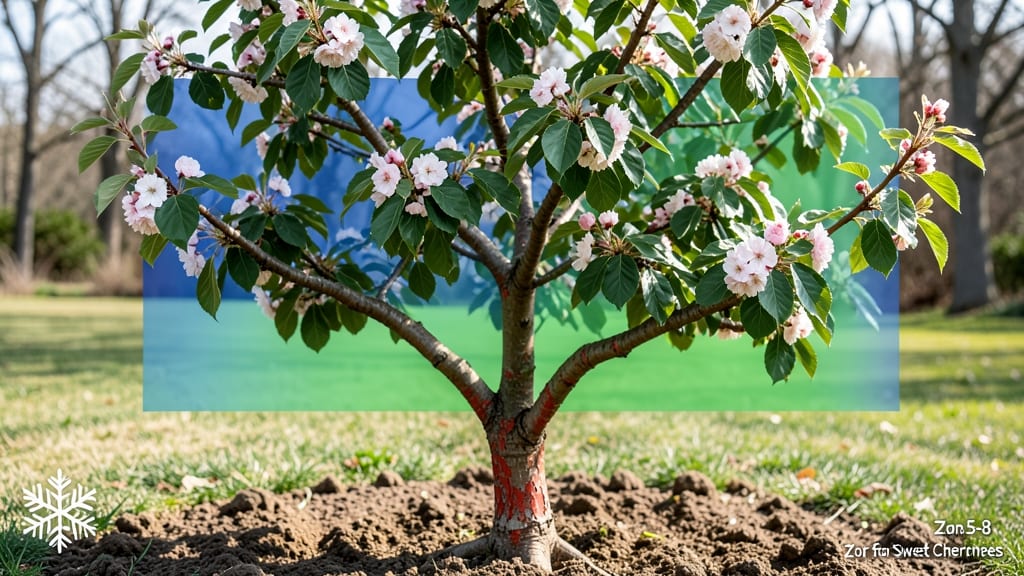
Planting a cherry tree where winters freeze solid or summers scorch? 🌳 The USDA hardiness zones 4-8 are your sweet spot for thriving fruit trees—sweet cherries in cooler zones, tart varieties in warmer climates.
I learned this the hard way when my first tree died from late frost damage in zone 5.
Sweet cherries like 'Stella' and 'Bing' thrive in zones 5-7, while tart cherries like 'Montmorency' handle zones 4-8. The key is matching varieties to your last frost date: plant bare-root trees in early spring or fall, container-grown trees anytime soil isn't frozen.
Mulch heavily in winter to protect roots from freeze-thaw cycles.
You'll see blossoms by spring's third week, followed by fruit in 6-8 weeks after flowering. In hotter zones, provide afternoon shade to prevent sunburn on delicate fruit. The payoff? Juicy cherries that taste like childhood summers—if you pick varieties that suit your climate.
For zones outside 4-8, consider dwarf varieties or container growing. Even in challenging climates, with the right adjustments, you can grow cherries. Let's find the perfect match for your yard!
📚 In This Guide
- What you need
- Instructions
- Tips and common mistakes
- Wrapping up and next steps
What you need
- ● Cherry tree sapling or bare-root tree: Choose a variety suited to your USDA hardiness zone (e.g., Prunus avium for zones 5-8, Prunus cerasus for zones 3-7).
- ● Shovel or spade: A round-point shovel (18-24 inches) for digging planting holes.
- ● Pruning tools: Bypass pruners (sharp, 6-8 inch blades) for clean cuts.
- ● Loppers (for thicker branches, 18-24 inch reach).
- ● Pruning saw (for branches >2 inches in diameter).
- ● Grafting tape or rubber tree wrap: 1 roll (for sealing pruning wounds).
- ● Compost or well-aged manure: 5-10 gallons (to enrich planting soil).
- ● Mulch (wood chips or straw): 2-3 inches thick, covering a 3-foot radius around the base.
- ● Watering can or hose with nozzle: For deep watering (10+ gallons per tree).
- ● Gloves (cut-resistant):strong> Pair (to protect hands during pruning).
- ● Disinfectant (70% isopropyl alcohol or bleach solution): For sterilizing tools between cuts.
- ● Soil test kit: To check pH (cherry trees prefer 6.0-6.5).
- ● Tree stake and ties: For young trees in windy zones.
- ● Fertilizer (balanced 10-10-10 or citrus-specific): Apply sparingly after planting.
- ● Tree guard or protective barrier: To deter animals (e.g., deer or rabbits).
- ● Label tags: For identifying varieties or planting dates.
How to choose the right climate Zone for cherry tree planting
Here's how to match your region to the perfect cherry variety for thriving fruit production.
🌱 Step 1: Identify Your USDA Hardiness Zone
Find your exact USDA Plant Hardiness Zone using the USDA interactive map—this tells you which cherry varieties will survive your winters. Most sweet cherries thrive in Zones 5-7, while tart cherries handle Zones 3-8. I always double-check my local county extension office for microclimate adjustments, since urban areas can run 2-5°F warmer than rural zones.
Look for the minimum winter temperature range on the map—this is critical. Sweet cherries need protection from temperatures below -10°F, while some tart varieties tolerate -30°F. If you're on the border between zones, err on the side of the colder zone for better survival rates.
☀️ Step 2: Match Variety to Seasonal Conditions
Cherry trees need 100-1,000 chill hours (below 45°F) to fruit properly—this varies by variety. For example, 'Stella' tart cherry needs 500-700 chill hours, while 'Rainier' sweet cherry requires 900+ chill hours. Check your local weather station's annual chill hour data if you're unsure.
Summer heat matters too—cherries grow best in areas with hot summers (80-90°F) for fruit development. If your summers average below 75°F, choose early-ripening varieties like 'Montmorency' tart cherry, which matures before heat stress sets in. I always test a tree's adaptability by planting a single specimen first before committing to multiple trees.
🌿 Step 3: Consider Microclimates Within Your Zone
Your yard's specific location affects cherry tree success. South-facing slopes get more sun and warmth, while north-facing areas stay cooler. I plant my trees on the southwest side of my property where they receive afternoon sun but avoid late-season frost pockets that can damage blossoms.
Urban areas with pavement and buildings create heat islands that can push zones up by 1-2 full zones. If you're in a city, test soil temperatures in winter—if they rarely drop below 10°F, you can plant varieties rated for Zone 6 even in Zone 5 territory. Always monitor your tree's response to local conditions for the first two winters.
⏰ Step 4: Plan for Long-Term Climate Trends
Climate change is shifting zones northward by 1-2 zones per decade in many regions. If you're planting a cherry tree today, choose varieties that can handle 5-10°F warmer winters than current averages. For example, in Zone 6, I now select varieties rated for Zone 7 to account for warming trends.
Drought tolerance varies by variety—some cherries like 'Balaton' tart cherry handle dry spells better than others. If your area is experiencing increasing drought conditions, mulch heavily (3-4 inches of organic mulch) and choose varieties with deeper root systems. I always install a drip irrigation system for new trees to ensure consistent moisture during critical growth periods.
🌱 Step 5: Verify Pollination Requirements
Most cherry varieties need cross-pollination from a different variety. If you're in Zone 5 or colder, plant two compatible tart cherry varieties that bloom at the same time. In warmer zones (Zone 7+), sweet cherries like 'Lapins' and 'Stella' pollinate each other effectively.
Check bloom time charts—some varieties bloom 2-3 weeks apart, which reduces pollination success. I keep a garden journal noting bloom dates for my trees to ensure proper pairing. If space is limited, choose self-fertile varieties like 'Montmorency' tart cherry, though they produce 30-50% fewer fruits than cross-pollinated pairs.
Tips & tricks for perfect cherry tree climate matching
These insider strategies will help you navigate cherry tree selection like a seasoned orchardist.
Zone Verification: When checking your USDA zone, verify with your local county extension office—they account for microclimates that the national map might miss. I once planted a Zone 6 sweet cherry in my Zone 5 backyard because my urban heat island kept winter temps above 10°F, but my neighbor's identical tree 2 miles away died in the first hard freeze. Always test soil temperatures in winter to confirm your actual conditions.
Chill Hour Strategy: For areas with borderline chill hours (like 600-800), consider intermediate varieties that bridge the gap. 'Balaton' tart cherry, for example, thrives with just 400-500 chill hours—perfect for warmer Zone 7-8 climates where traditional varieties might fail. I've seen this variety produce reliably in areas where 'Stella' would struggle to set fruit.
Microclimate Mastery: The southwest exposure I mentioned in Step 3 isn't just about sunlight—it's also about wind protection. I've found that planting trees on the leeward side of buildings or fences creates a 3-5°F warmer microclimate that extends the growing season. For frost-sensitive varieties, this can mean the difference between successful fruiting and winter damage.
Climate-Proofing: When accounting for climate change in Step 4, consider planting a mix of varieties with different chill hour requirements. This hedge ensures at least some fruit production even if warming trends reduce chill hours below a particular variety's threshold. I planted 'Montmorency' (500 hours) alongside 'Stella' (700 hours) in my Zone 6 garden—when one struggled, the other compensated.
Pro Tips for Cherry Tree Climate Zone
- These insider strategies will help you navigate cherry tree selection like a seasoned orchardist.
- Zone Verification: When checking your USDA zone, verify with your local county extension office—they account for micr...
- Chill Hour Strategy: For areas with borderline chill hours (like 600-800), consider intermediate varieties that bridg...
Frequently asked questions
Got questions about growing cherry trees in the right climate? You’re in the right place! Here are answers to the most common concerns—whether you're a first-time planter or a seasoned gardener troubleshooting challenges.
What are the best USDA climate zones for cherry trees?
Most cherry trees thrive in USDA Zones 5–8, but varieties vary. Sweet cherries prefer cooler zones (5–7), while tart cherries handle heat better (6–8). Always check your tree’s specific label for exact hardiness details!
Can cherry trees survive in colder climates (Zone 4 or below)?
Some cold-hardy varieties (like Montmorency tart cherries) can handle Zone 4 with winter protection, like mulch or windbreaks. Dwarf varieties also adapt better. For extreme cold, consider container growing and moving trees indoors during harsh winters.
How do I know if my climate is too hot for cherry trees?
If you’re in Zone 9 or above, cherry trees may struggle with heat stress. Look for heat-tolerant varieties (like ‘Stella’ tart cherries) or plant in partial shade with afternoon relief. Drip irrigation helps too!
When is the best time to plant a cherry tree in my zone?
Plant in early spring or fall—avoid summer heat or winter frosts. For Zones 5–7, April–May (after last frost) or September–October works best. In warmer zones (8+), opt for fall planting to establish roots before summer.
Why isn’t my cherry tree fruiting in Zone 6?
Common issues include poor pollination (plant two compatible varieties), late frosts (choose early-blooming types), or nutrient deficiencies. Prune for airflow, fertilize in early spring, and monitor for pests like cherry leaf spot.
Are there cherry tree alternatives for Zone 10+ climates?
Yes! Try dwarf or columnar varieties (like ‘Black Tartarian’ cherries) or opt for heat-resistant relatives like plums, apricots, or peaches. For shade, consider fig trees or pomegranates—they’re just as rewarding!
Wrapping up and next steps
Growing a thriving cherry tree starts with understanding its climate zone needs—whether you’re planting sweet, tart, or ornamental varieties.
By choosing the right zone (typically USDA 5-9 for most cherries), providing proper care, and staying mindful of seasonal adjustments, you’ll set your tree up for years of lush growth and delicious fruit. 🌳
Ready to take the next step? Research your local zone, pick the perfect variety, and start planting—or prune with confidence!—to ensure your cherry tree flourishes in your backyard.