
Pruning
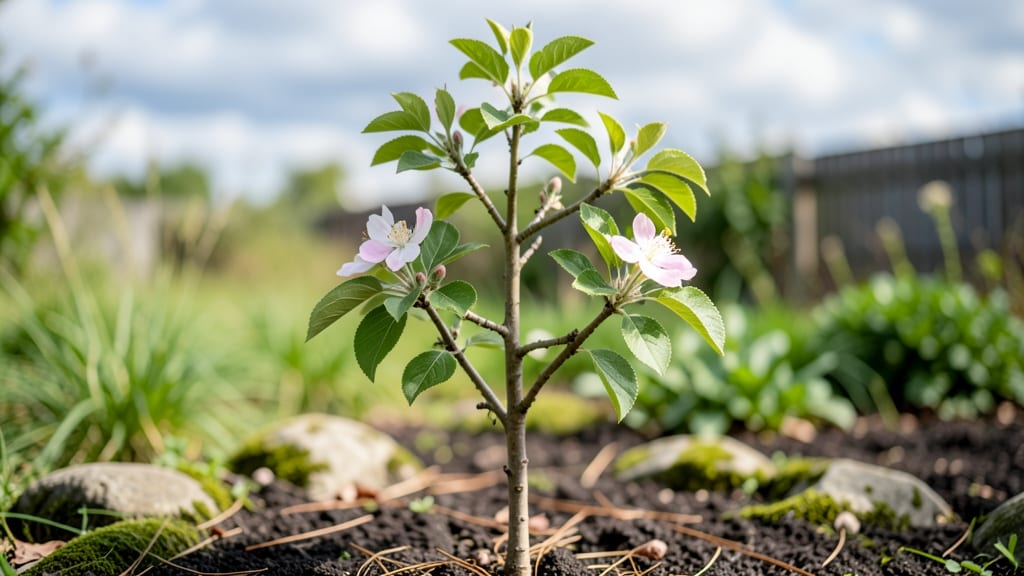
Planting a crabapple tree sapling means years of fragrant blossoms and wildlife-friendly fruit. 🌸 I learned the hard way that the right variety makes all the difference—especially in colder zones where winter dieback can ruin your plans.
The secret lies in choosing cold-hardy types like 'Dolgo' or 'Sargent' that thrive from -30°F upward without fuss. You'll need well-draining soil mixed with compost, a spot with full sun (at least 6 hours daily), and patience for the first few years as roots establish.
Most nurseries sell 1-2 foot saplings that establish quickly when planted in early spring or fall. Water deeply once a week during the first growing season, then taper off as the tree matures.
By year three, you'll see that first flush of spring blossoms—pink, white, or deep red depending on the variety—and the tree will start attracting pollinators like crazy. The fruit may not be edible, but birds will love it, and the fall color? Absolute showstopper.
This works for urban yards, rural properties, or even large containers if you choose dwarf varieties. The key is proper spacing (20-25 feet between trees) and regular pruning to maintain shape. Let's get that sapling planted right!
📚 In This Guide
- What you need
- Instructions
- Tips and common mistakes
- Wrapping up and next steps
What you need
- ● Crabapple tree sapling (choose a cold-hardy variety like 'Adams', 'Dolgo', or 'Sargent' for resilience)
- ● Shovel or trowel (for digging—opt for a round-point shovel for saplings)
- ● Pruning shears (bypass pruners, sharp and clean, for precise cuts)
- ● Garden gloves (heavy-duty, nitrile-coated for grip and protection)
- ● Mulch (3–4 inches of wood chips, pine straw, or compost)
- ● Watering can or hose (with a gentle spray nozzle)
- ● Staking kit (if needed: 3 stakes + soft ties for young saplings)
- ● Fertilizer (slow-release balanced 10-10-10 or organic options like compost)
- ● Planting hole (twice as wide as the root ball, loosened soil)
- ● Root stimulator (to boost growth—follow product instructions)
- ● Tree guard or protective wrap (for young trunks against pests/sunburn)
- ● Soil test kit (to check pH and nutrient levels before planting)
- ● Post-planting fungicide (preventative measure for fungal diseases)
- ● Notebook (to track pruning dates, growth, and observations!)
Step-by-Step guide to planting and caring for a cold-hardy crabapple sapling
Here's how to establish a stunning, resilient crabapple tree that thrives in cold climates.
🌱 Step 1: Choose the Right Location and Prepare the Soil
Crabapple saplings need full sun—at least 6 hours daily—for optimal fruit production and growth. I always scout the site in late afternoon when shadows are longest to ensure no obstructions will block sunlight. Avoid low spots where cold air pools, as these trees handle winter well but not soggy roots.
Test your soil's drainage by digging a 12-inch deep hole. If water pools after 30 minutes, amend with 2-3 inches of compost and 10% coarse sand to improve drainage. Crabapples tolerate a range of soil types but perform best in slightly acidic to neutral soil (pH 6.0-7.0). A simple soil test kit from your local garden center confirms this before planting.
🪴 Step 2: Plant the Sapling at the Correct Depth and Stake for Support
Dig a hole twice as wide as the sapling's root ball but no deeper. The top of the root ball should sit 1-2 inches above ground level—burying too deep suffocates the tree. Gently loosen the roots if they're circling in the container, then place the sapling in the hole so it stands straight.
Fill the hole with native soil, tamping lightly every 2 inches to eliminate air pockets. Install a 4-5 foot stake at a 45-degree angle away from prevailing winds, then loosely tie the sapling to it with soft tree ties (never wire). Water deeply until the soil 6 inches down feels moist, then add 2-3 inches of mulch in a 3-foot diameter ring around the base, keeping it 6 inches away from the trunk to prevent rot.
☀️ Step 3: Water Deeply and Establish a Consistent Care Routine
Water your sapling twice weekly for the first month, then taper to once weekly once established—10-15 gallons per watering is ideal. You'll know it's enough when water drains 6 inches deep without pooling. Overwatering is the biggest mistake; crabapples hate wet feet.
Fertilize in early spring with a balanced 10-10-10 formula, applying ½ cup per inch of trunk diameter. Spread it in a 3-foot radius, then water deeply to activate nutrients. Prune only to remove dead or crossing branches in late winter—never top the tree, as this invites disease. Thin out 25% of the fruit when they're golf-ball sized to improve size and quality.
⏰ Step 4: Protect Young Trees from Winter Stress and Pests
Young crabapples need winter protection in their first 2-3 years. Wrap the trunk with tree guard in late fall to prevent rodent damage, then loosely cover the root zone with 4-6 inches of mulch. Avoid heavy snow buildup on branches—tap it off gently to prevent breakage.
Watch for apple scab and codling moths in spring. Apply neem oil spray at first signs of fungus (black spots on leaves) or pesticide bait for moths. A reflective tree band around the trunk in early spring also deters pests. By year three, your sapling will be tough enough to handle winter on its own—just keep an eye out for fire blight, which appears as blackened, oozing branches and requires immediate pruning 6 inches below the infection.
Tips & tricks for planting and nurturing cold-hardy crabapple saplings
These practical insights will help you avoid common pitfalls and give your crabapple sapling the best start possible.
Sunlight Strategy: When evaluating sunlight in Step 1, use a simple trick: mark the ground with a stick at noon and check the shadow every hour. If shadows are longer than the stick's height by 3 PM, you've got the minimum 6 hours of direct light these trees need. Morning sun is ideal, but afternoon sun works too—just avoid spots where afternoon shadows creep in before 3 PM.
Soil Test Timing: Don't rush the 30-minute drainage test in Step 1. Set a timer and watch carefully—if water disappears within 10 minutes, your soil drains too fast and needs organic matter. If it's still pooling at 45 minutes, you definitely need that 10% sand amendment. The goal is for water to disappear completely but not so fast that it drains past the root zone.
Staking Secrets: In Step 2, position that 45-degree stake on the side opposite your prevailing winds—not randomly. Use a small flag or ribbon tied to the stake to show which way it's angled. This prevents wind from pushing the tree against the stake and causing trunk damage. Also, check the ties every 2-3 weeks—they can tighten as the tree grows and restrict circulation.
Watering Wisdom: For the first month's twice-weekly watering in Step 3, use the "poke test" instead of guessing. Stick your finger 2 inches into the soil between waterings—if it feels dry, water. If it's still damp, wait another day. This prevents both underwatering and the dreaded soggy roots. Remember, 10-15 gallons sounds like a lot, but it's what's needed to saturate that 6-inch depth consistently.
Pro Tips for Crabapple Tree Sapling
- These practical insights will help you avoid common pitfalls and give your crabapple sapling the best start possible.
- Sunlight Strategy: When evaluating sunlight in Step 1, use a simple trick: mark the ground with a stick at noon and c...
- Soil Test Timing: Don't rush the 30-minute drainage test in Step 1. Set a timer and watch carefully—if water disappea...
Frequently asked questions
Got questions about your crabapple tree sapling? You’re not alone! Here are answers to the most common queries—from planting tips to pruning pitfalls—so you can nurture your tree with confidence.
When is the best time to plant a crabapple sapling?
Plant your sapling in early spring or fall when temperatures are mild (40–60°F). Avoid extreme heat or frost, as these can stress young roots. If you must plant in summer, water deeply and mulch to retain moisture. Pro tip: Bare-root saplings thrive when planted immediately, while container-grown trees can wait until roots fill the pot.
How should I prune a young crabapple tree?
Prune in late winter or early spring before buds swell. Remove dead, crossing, or weak branches first, then shape the tree by cutting back to a healthy bud or lateral branch. Avoid heavy pruning—stick to 10–20% of the canopy per year. Warning: Never prune in fall, as it encourages late-season growth vulnerable to frost damage.
Why are my crabapple leaves curling or spotted?
Curling or spotted leaves often signal pests (aphids, mites) or diseases (apple scab, fire blight). Start by hosing off pests with water and apply neem oil for organic control. For fungal issues, prune infected branches 6 inches below the damage and sterilize tools with rubbing alcohol. Preventative tip: Space trees properly (15–20 ft apart) for airflow and reduce humidity.
Can crabapple trees survive harsh winters?
Yes! Most crabapple varieties are USDA Zones 3–8 hardy, but young saplings need extra care. Mulch heavily (3–4 inches) around the base (but not touching the trunk) and wrap the trunk with tree guard if temperatures drop below -10°F. Water thoroughly before the ground freezes to prevent root desiccation. Cold-hardy picks: Look for ‘Adirondack’ or ‘Dolgo’—they’re top performers in Zone 3!
What’s a good alternative if I don’t want fruit?
If you love crabapple’s ornamental beauty but hate the mess, opt for ornamental crabapples like ‘Royalty’ or ‘Radiant.’ These varieties produce tiny, non-edible fruit that birds love but won’t litter your yard. For zero-fruit trees, consider ornamental cherries (Prunus serrulata) or flowering pears (Pyrus calleryana)—both offer stunning blooms with less cleanup.
How long does it take for a crabapple to bear fruit?
Most crabapple saplings take 3–5 years to bear fruit, depending on variety, care, and climate. Dwarf varieties (like ‘Sargent’) may fruit sooner (2–3 years), while standard trees can take up to 7 years. Patience tip: Focus on proper pruning and fertilization in the first 2 years to speed up maturity.
Wrapping up and next steps
Growing a cold-hardy crabapple sapling is a rewarding way to add beauty and resilience to your landscape. Whether you’re drawn to ‘Adirondack’ for its vibrant blooms or ‘Dolgo’ for its disease resistance, these varieties thrive in tough climates while offering year-round charm.
With the right pruning techniques and care, your sapling will flourish into a stunning focal point.
Ready to get started? Plant your sapling this season, and watch it grow into a resilient, picturesque centerpiece! 🌳✨