
Trees
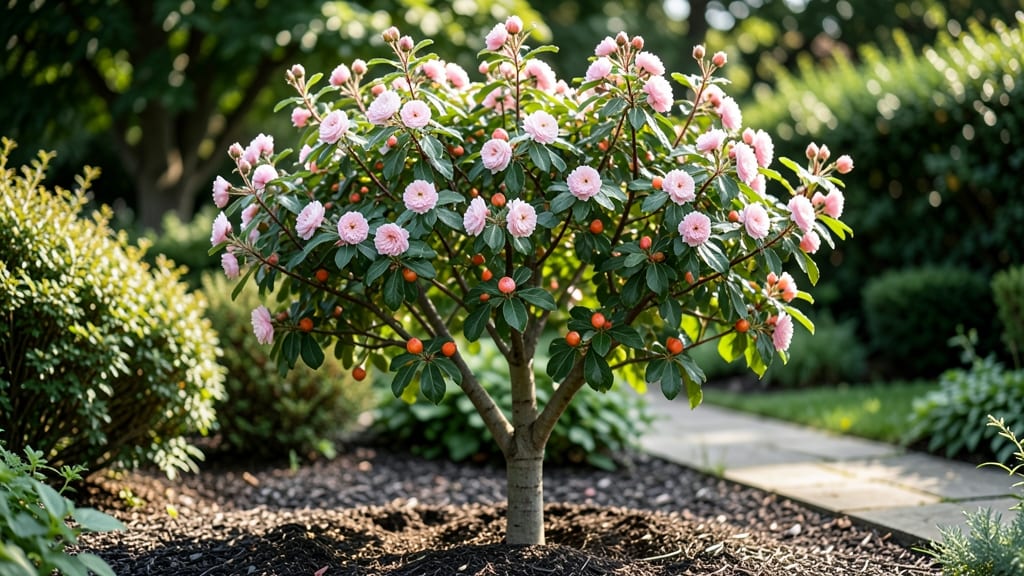
Non-fruit-bearing crabapple trees grow for their ornamental value, offering stunning flowers, vibrant fall foliage, and compact growth without the mess of fallen fruit. These varieties are ideal for small gardens and urban landscapes.
These trees were specifically bred to focus their energy on visual appeal rather than fruit production, making them perfect for urban settings where cleanup is a concern. 🌸 The absence of fruit eliminates the need for constant raking while still delivering the same breathtaking spring blooms and fiery autumn colors that make crabapples so popular.
I've seen firsthand how they transform small yards into showstoppers without requiring the upkeep of fruit-bearing varieties.
What's particularly fascinating is how these trees allocate their resources differently. While fruiting crabapples divert energy to seed production, non-fruiting varieties channel everything into their foliage, flowers, and sturdy branches. This creates trees that not only look stunning year-round but also require less maintenance—a win-win for busy homeowners.
The most popular varieties like 'Adirondack' and 'Dolgo' prove this isn't about sacrificing beauty for convenience. These cultivars maintain all the classic crabapple charm while offering improved disease resistance and more manageable growth habits. Perfect for hedges, specimen planting, or even as focal points in tight spaces.
💡 In This Article
- Why Ornamental Crabapple Trees Skip Fruit Production
- Best Non-Fruiting Crabapple Varieties for Landscaping
Why ornamental crabapple trees skip fruit production
The decision to skip fruit production in ornamental crabapple trees starts with their genetic makeup. These varieties undergo selective breeding to prioritize visual traits over reproductive functions. By eliminating fruit-bearing genes, horticulturists create trees that allocate their energy toward developing larger, showier flowers and more vibrant fall foliage instead.
This genetic modification means the tree's resources—like sugars and nutrients—go toward creating 3-4 inch wide blossoms in spring rather than producing small, tart fruits.
The botanical process involves a trade-off between reproductive and ornamental traits. Fruit-bearing crabapples divert significant energy to seed development, which requires up to 40% more carbohydrates than flower production alone.
Non-fruiting varieties bypass this energy drain, resulting in trees that can grow 20-30% faster in their early years while maintaining their structural integrity. The absence of fruit also eliminates the need for pollinators, which means these trees don't rely on bees or other insects for reproduction—further simplifying their growth requirements.
This energy redirection creates several practical benefits for gardeners. Without the metabolic cost of fruit production, these trees develop stronger root systems that make them more drought-resistant. The disease resistance also improves because the tree isn't diverting energy to protect developing fruit from pests and pathogens.
For example, varieties like 'Adirondack' maintain their stunning pink blossoms while developing a more robust immune response against common crabapple diseases like apple scab.
Ecologically, this trade-off has interesting implications. While fruiting crabapples support local wildlife by providing food for birds and mammals, non-fruiting varieties focus on supporting pollinators during their 3-4 week flowering period in spring.
The abundant nectar in their flowers still attracts bees and butterflies, creating a different but equally valuable ecosystem service. This makes them excellent choices for urban landscapes where native wildlife benefits are still desired without the mess of fallen fruit.
The visual impact of this energy allocation becomes especially apparent in autumn. Non-fruiting varieties often develop brighter red or orange foliage because they can fully invest in anthocyanin production—the pigments responsible for fall colors—without competing with fruit development.
For instance, 'Dolgo' crabapple's leaves turn a fiery crimson that lasts for weeks, providing seasonal interest long after the spring flowers have faded.
What most people don't realize is how this genetic focus affects the tree's growth habit. Without the weight of fruit production, these trees develop more compact, upright forms that are perfect for tight spaces.
The Sentinel variety, for example, grows to only 20-25 feet tall with a narrow crown, making it ideal for urban planting where space is limited.
This compact growth also means less pruning is required to maintain their shape compared to fruiting varieties that may develop wider canopies to support heavy fruit loads.
The result is a tree that delivers all the visual appeal of traditional crabapples—abundant spring flowers, vibrant fall colors, and attractive bark—without the seasonal maintenance challenges.
This makes them particularly valuable in landscapes where homeowners want beauty without the upkeep of dealing with fallen fruit and its associated pests.