
Picking
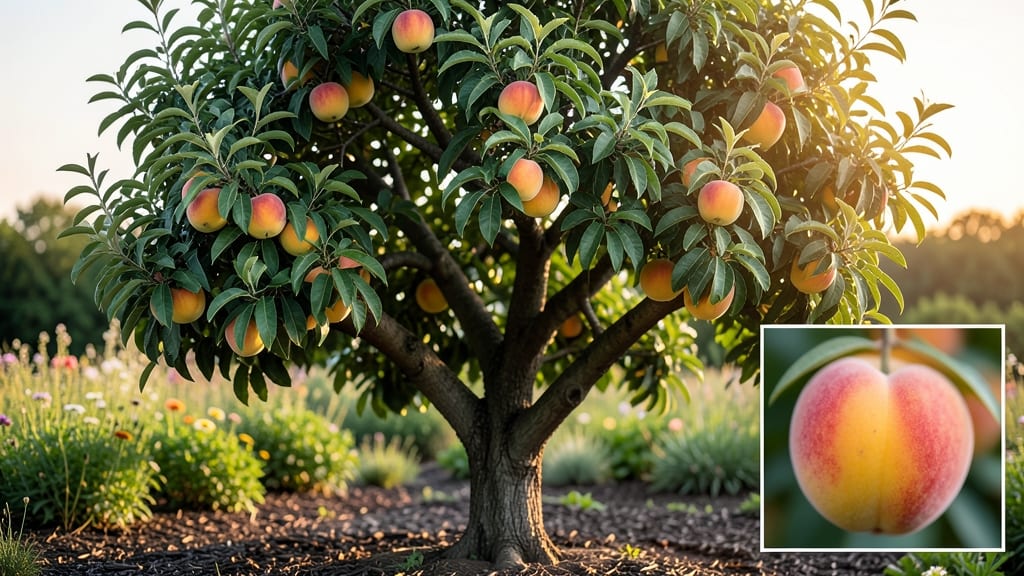
Growing a King Peach Tree 🍑 in Florida with the right chill hours is the secret to sweet, abundant fruit—without the disappointment of sparse harvests.
Picture this: You’ve planted your dream King Peach Tree, but by spring, it’s throwing out leaves instead of blossoms. That’s the chill-hour problem in Florida’s warm climate—most peach trees need 300-500 hours below 45°F to fruit, and Florida rarely delivers.
The good news? Low-chill varieties and smart strategies can turn this challenge into a thriving orchard.
In this guide, I’ll break down exactly how many chill hours your King Peach Tree needs, which Florida-friendly varieties actually produce fruit, and the game-changer techniques—like microclimate tricks and winter chilling hacks—that keep your tree happy year-round.
By the end, you’ll know which peaches to pick, how to protect them from Florida’s heat, and even how to stretch those precious chill hours so your tree bursts into blossoms every spring.
What are Florida King peach tree chill hours & why do they matter?
If you've ever dreamed of growing your own Florida King peach trees but wondered why some varieties thrive while others fail to fruit, the answer lies in chill hours.
These are the accumulated hours of temperatures between 32°F and 45°F (0°C and 7°C) that trigger a tree's dormancy and flowering. In Florida's warm climate, where winters rarely drop below 50°F (10°C), traditional peach trees often struggle because they need 300-1,000 chill hours to produce fruit.
For Florida King peach trees, the challenge is real: most commercial varieties require 500+ chill hours, but Florida's subtropical zones (like USDA Zones 9a-11) typically offer only 100-300 chill hours annually.
Without enough cold exposure, your tree might bloom but fail to set fruit—or worse, produce no flowers at all. Understanding chill hours helps you select the right varieties and use strategies to boost fruit production in Florida's heat.
Here’s how chill hours work: During winter, peach trees need a period of cool dormancy to reset their biological clock. This process, called endodormancy, ensures the tree will flower and fruit in spring.
In colder climates, nature handles this automatically, but in Florida, you’ll need to supplement chill hours or choose low-chill varieties to succeed.
Why does this matter for your Florida King peach tree? If you plant a high-chill variety (like Elberta or Redhaven) without addressing chill hours, you’ll likely end up with a tree full of leaves but zero peaches. The good news? Florida’s climate is perfect for low-chill peach varieties (300-500 hours), and with the right techniques, you can even artificially increase chill hours to improve fruiting.
To calculate chill hours in your specific Florida region, you can use NOAA climate data or a home weather station. For example, Tallahassee averages around 250 chill hours, while Miami gets as little as 100 hours.
By comparing these numbers to your chosen peach variety’s requirements, you can predict whether it’ll fruit successfully—or if you’ll need to supplement chilling.
| Chill Hour Range | Peach Variety Examples | Florida Suitability | Notes |
|---|---|---|---|
| 0-200 | Tropic Beauty, Tropic Snow | Excellent (no supplementation needed) | Best for Miami, Homestead |
| 200-300 | Flordagold, Redhaven (low-chill selections) | Good (may need slight supplementation) | Ideal for Orlando, Tampa |
| 300-500 | Florida King (low-chill graft), Early Red | Moderate (supplementation recommended) | Works in Gainesville, Jacksonville |
| 500+ | Elberta, Redhaven (standard) | Poor (requires artificial chilling) | Avoid unless using chill chambers |
🌱 Chill Hour Guide for Florida Peach Trees
If your local chill hours fall short of your peach tree’s needs, don’t despair! You can supplement chilling using methods like artificial dormancy chambers or winter pruning techniques.
For example, pruning in late winter can reduce canopy size, allowing more cold air to penetrate the tree and increasing chill exposure. Another trick is to plant in elevated areas or use windbreaks to lower nighttime temperatures slightly.
For precise chill hour tracking, invest in a home weather station like the Davis Instruments Vantage Pro2 or use free tools like the NOAA Climate Data Online portal. Simply enter your ZIP code to see your area’s annual chill hours.
If you’re in South Florida (Zones 10-11), you’ll likely need low-chill varieties like Tropic Beauty, while North Florida (Zones 8-9) can handle slightly higher-chill options like Flordagold.
One common mistake is assuming all Florida King peach trees are low-chill. While some grafted varieties are bred for Florida, others may still require supplemental chilling. Always check the nursery label or ask the grower about the specific chill hour range of
Top 5 low-chill peach varieties that thrive in Florida’s heat
Florida’s warm winters make growing traditional peaches nearly impossible—but don’t give up! The key lies in selecting low-chill varieties (300-500 chill hours) that produce sweet fruit without needing harsh winters. These varieties are bred to fruit reliably in USDA Zones 9-11, where most of Florida falls.
With the right choice, you can enjoy homegrown peaches from late spring to summer, even in Orlando or Miami.
Not all low-chill peaches are created equal. Some prioritize disease resistance, others deliver juicy, sweet flesh, and a few even tolerate Florida’s humidity and heat better than others.
Below, I’ve compared the top 5 varieties that consistently perform well in Florida gardens, including their flavor profiles, ripening times, and care requirements to help you pick the perfect match for your yard.
If you’re in North Florida (Zones 8-9), varieties like Redhaven or Florida Prince are excellent choices—they require slightly more chill hours but still perform well.
For Central and South Florida (Zones 10-11), Tropic Beauty and Tropic Snow are the safest bets, as they thrive with minimal chill hours and handle humidity better. Flordagold is a gourmet favorite but needs well-draining soil to avoid root rot in Florida’s rainy season.
Pro tip: Pair your peach tree with a pollinator variety if possible—many low-chill peaches are self-fruitful but produce more fruit with cross-pollination. For example, planting a Tropic Beauty near a Tropic Snow can boost your yield by up to 30%.
Just ensure both trees have similar chill hour requirements to flower at the same time.
Remember, even low-chill varieties benefit from winter chilling strategies if your Florida microclimate is unusually warm. Wrapping young trees with burlap or using shade cloth during heatwaves can help them accumulate enough chill hours naturally.
With the right variety and a little extra care, you’ll be picking homegrown Florida peaches in no time! 🌱