
Flowers
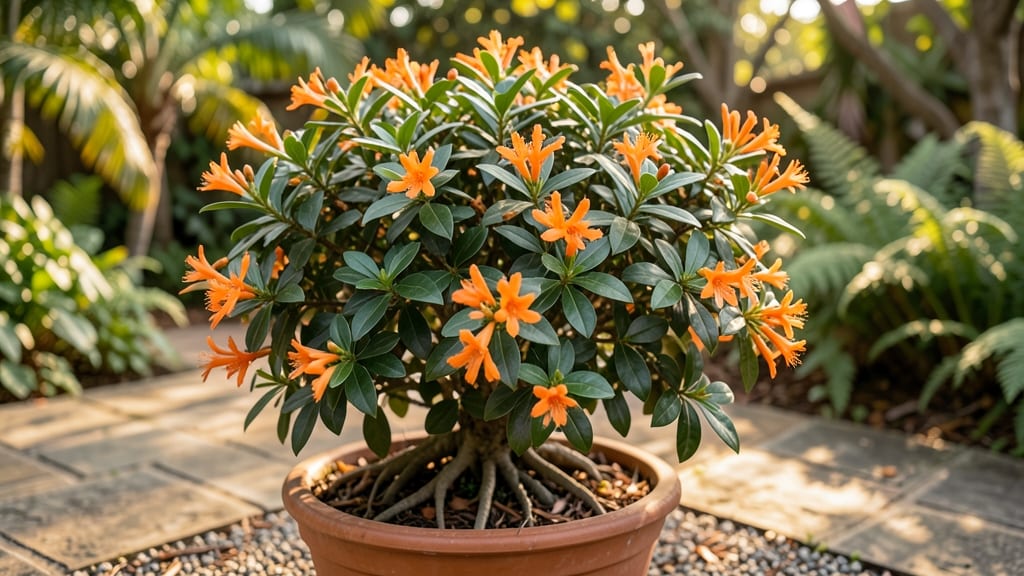
That tree with orange flowers in South Florida every spring? That’s the Royal Poinciana (Delonix regia), South Florida’s showstopper tree. 🌺 Its fiery blooms light up streets and gardens from March through May, turning any landscape into a tropical paradise.
This isn’t just a tree—it’s a statement piece that demands attention (and Instagram photos).
The Royal Poinciana thrives in South Florida’s heat and humidity, reaching 30-50 feet tall with a broad, rounded canopy. It’s not just about looks—its deep roots provide shade, and its flowers attract hummingbirds, bees, and butterflies.
The trade-off? Those roots mean it’s best planted 20+ feet from foundations to avoid sidewalk heaving.
You’ll love how it transforms a space: imagine your patio bathed in golden-orange light at dusk, or your driveway framed by cascading blooms. The tree’s feathery foliage stays lush year-round, making it a four-season performer even when not in bloom.
Perfect for large yards, parks, or even as a focal point in commercial landscapes. Just give it space—this tree isn’t shy about growing into its glory. Ready to plant one? Here’s what to know before you dig.
📚 In This Guide
- What you need
- Instructions
- Tips and common mistakes
- Wrapping up and next steps
What you need
- ● Royal Poinciana Tree (Delonix regia): 1 sapling (3–6 feet tall) or 1 mature tree (if transplanting)
- ● Ensure it’s disease-free and healthy (check leaves for pests or discoloration).
- ● Planting Site: Full sun exposure (6+ hours daily)
- ● Well-draining soil (Royal Poincianas hate soggy roots!)
- ● Space: Minimum 20–30 feet in diameter (they grow wide!)
- ● Soil Amendments (if needed): 1–2 bags of garden compost or peat moss (to improve drainage)
- ○ Optional: 10-10-10 fertilizer (1 lb per 100 sq ft of planting area)
- ● Tools: Shovel or spade (for digging)
- ● Garden gloves (to protect your hands)
- ● Water hose with adjustable nozzle
- ● Mulch (2–3 inches of pine bark or wood chips)
- ● Tree Stake & Ties: If planting in windy areas (to support young trees).
- ● Slow-Release Fertilizer: For long-term nutrient boost (apply in early spring).
- ● Tree Guard: Plastic wrap or hardware cloth to protect from pests (like palm borers).
- ● Drip Irrigation System: For consistent watering (especially in South Florida’s dry spells).
How to plant and care for a Royal Poinciana tree in South Florida
This stunning tree thrives in our heat and humidity—here’s how to plant and nurture it for decades of fiery spring blooms.
🌱 Step 1: Choose the Perfect Planting Spot
Royal Poincianas demand full sun—at least 6-8 hours daily—to produce their signature orange blossoms. In South Florida, this means planting where they’ll receive unfiltered morning to afternoon sunlight. Avoid spots with afternoon shade from taller structures or trees, as this weakens flowering.
Check the soil’s natural drainage before planting. These trees hate soggy roots, so if your yard floods after heavy rain, amend the planting area with 2-3 inches of coarse sand mixed into the native soil. You’ll know drainage is right when water disappears within 30 minutes after soaking the hole.
🪴 Step 2: Dig and Plant at the Right Depth
Dig a hole twice as wide as the root ball but no deeper—Royal Poincianas resent being buried too deep, which can suffocate roots. The top of the root ball should sit 1-2 inches above ground level to prevent water pooling around the trunk.
Loosen the root ball’s edges with your fingers before placing it in the hole. This encourages roots to spread outward instead of circling the trunk. Backfill with native soil mixed with compost (if your soil is sandy) to improve moisture retention. Tamp gently around the edges—just enough to eliminate air pockets, but don’t compact the soil.
☀️ Step 3: Water Deeply and Establish a Routine
After planting, water deeply—15-20 gallons—to settle the soil around roots. You’ll see the soil surface darken as water penetrates, signaling proper saturation. For the first 3 months, water twice weekly during dry spells, delivering 10-15 gallons per watering to encourage deep root growth.
Once established (after 1 year), Royal Poincianas tolerate drought surprisingly well. Reduce watering to once every 2-3 weeks unless we’re in a prolonged dry spell. Yellowing leaves in summer usually mean underwatering, while brown, crispy edges signal overwatering—adjust accordingly.
✂️ Step 4: Prune for Shape and Health
Prune only after flowering (late spring to early summer) to avoid cutting off next year’s blooms. Remove dead, diseased, or crossing branches first—these compete with healthy growth. Use clean, sharp pruners to make cuts just outside the branch collar (the swollen area where the branch meets the trunk).
Shape the tree lightly by trimming back overly long branches to maintain an open canopy. Royal Poincianas naturally grow 20-30 feet tall, so avoid aggressive pruning—this tree’s dramatic form is part of its charm. If you notice suckers (shoots) at the base, remove them promptly to prevent energy drain from the main trunk.
🌿 Step 5: Fertilize for Optimal Blooms
Apply a balanced, slow-release fertilizer (8-8-8 or 10-10-10) twice yearly: once in early spring (before new growth) and again in late summer (after flowering). Spread 1 pound of fertilizer per inch of trunk diameter around the drip line (the tree’s outermost branches). Water deeply after applying to help nutrients reach roots.
For extra vigor, top-dress with 2-3 inches of compost in early spring. This improves soil structure and provides micronutrients without risking salt buildup (a common issue with synthetic fertilizers in Florida’s heat). Avoid high-nitrogen fertilizers—they promote leafy growth at the expense of those prized orange flowers.
Tips & tricks for perfect Royal Poinciana planting
Here's what nobody tells you about getting your Royal Poinciana to thrive in South Florida's tough conditions.
Sunlight Strategy: That 6-8 hours of full sun isn't just about morning light—it's about unfiltered afternoon rays. I've seen trees planted in spots that get morning sun but afternoon shade from palm fronds, and they barely bloom. Check your yard at noon—if any part of the planting area gets afternoon shade, move it. The tree's flowering mechanism triggers only with consistent afternoon sun exposure.
Drainage Test: The 30-minute water disappearance test is your best friend. I've dug holes that looked dry on top but had clay layers just below—water would pool for hours. If your soil doesn't drain in 30 minutes, mix in that 2-3 inches of coarse sand and test again. You can also create a raised bed if your native soil is too dense, giving roots room to breathe while maintaining proper drainage.
Planting Depth Secret: That 1-2 inch elevation above ground level isn't just about water pooling—it's about root health. I learned this the hard way when a tree I planted too deeply developed root rot within months. The top of the root ball should always be visible above soil level. If you're planting in sandy soil, you can actually go up to 3 inches above ground—sandy soil drains so fast that extra elevation helps prevent waterlogging.
Watering Wisdom: Those 15-20 gallons after planting aren't just about settling soil—they're about breaking up the root ball's natural structure. Pour water slowly in concentric circles around the hole as you backfill. This helps roots spread outward rather than staying compacted. After the initial watering, let the soil dry slightly between waterings during the first 3 months. Soggy soil during establishment is just as harmful as drought.
Pro Tips for South Florida Tree With Orange Flowers
- Here's what nobody tells you about getting your Royal Poinciana to thrive in South Florida's tough conditions.
- Sunlight Strategy: That 6-8 hours of full sun isn't just about morning light—it's about unfiltered afternoon rays. I'...
- Drainage Test: The 30-minute water disappearance test is your best friend. I've dug holes that looked dry on top but ...
Frequently asked questions
Got questions about the stunning Royal Poinciana and its fiery orange blooms? You’re not alone! Here are answers to the most common queries from South Florida gardeners and admirers.
What’s the best time to plant a Royal Poinciana in South Florida?
The ideal time to plant this tropical beauty is during late spring or early summer (May–June). This gives the tree’s roots time to establish before the cooler months. Avoid planting in winter, as cold snaps can stress young trees. Pro tip: If you’re planting in fall, choose a mild year to minimize frost risk!
How tall does a Royal Poinciana grow, and does it need pruning?
Royal Poincianas can reach 30–50 feet tall with a wide, spreading canopy—perfect for providing shade! Pruning isn’t strictly necessary, but you can lightly trim in late winter to shape the tree or remove dead branches. Avoid heavy pruning, as it reduces flowering. Best time to prune: February–March, before new growth starts.
Are Royal Poincianas invasive in South Florida?
While they’re not classified as invasive, their aggressive root systems and fast growth can outcompete smaller native plants. Plant them at least 15–20 feet away from structures, sidewalks, or other trees to avoid root damage. If containment is a concern, consider container-growing for smaller yards!
Do Royal Poincianas need extra care during South Florida’s rainy season?
These trees are drought-tolerant once established, but heavy rains can lead to root rot if soil doesn’t drain well. Ensure the planting site has well-draining soil and avoid overwatering. Quick fix: Amend clay soil with compost or sand to improve drainage.
What are some alternatives to Royal Poincianas for orange flowers?
If you love orange blooms but want variety, consider these South Florida-friendly options:
- Tabebuia caraiba (Pau d’Arco): Similar vibrant flowers, slightly smaller.
- Delonix regia (Flamboyant Tree): Bold orange-red blooms, great for tropical vibes.
- Bougainvillea: Low-maintenance with colorful bracts (not true flowers).
- Champak Tree (Michelia champaca): Fragrant white-orange flowers, smaller size.
Wrapping up and next steps
The Royal Poinciana isn’t just a tree—it’s a celebration of South Florida’s spring skies, turning neighborhoods into bursts of fiery orange. Its striking blooms, drought tolerance, and low-maintenance charm make it a standout for both landscapes and local wildlife.
Whether you’re a gardener, nature lover, or just admiring from afar, this tree is a symbol of resilience and beauty that brightens even the hottest days.
Ready to welcome more color into your life? Plant one in your yard, visit a local park to admire them up close, or share their magic with a fellow plant enthusiast! 🌺✨