
Flowers
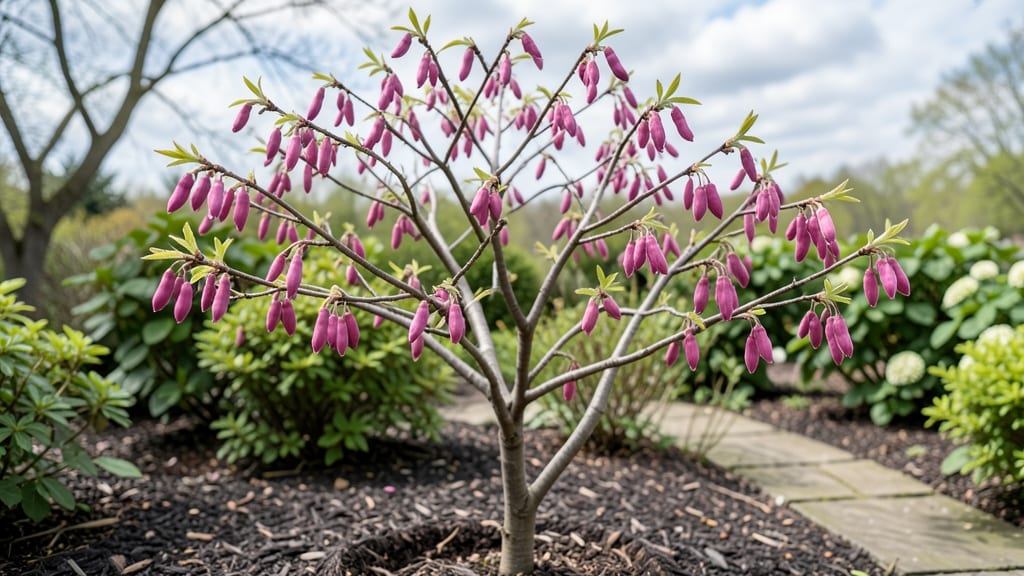
That tree with little pink flowers that turns streets into dreamy canopies every spring? 🌸 You can grow that same magic in your own backyard—cherry blossom trees aren’t just for parks. Their soft pink flowers create a romantic, almost fairy-tale atmosphere that transforms any garden into a springtime sanctuary.
These trees thrive in well-drained soil and full sun, making them perfect for yards with open spaces or even as striking focal points in smaller gardens. The blooms arrive in late spring, lasting just two weeks but creating a showstopping display that’s worth the brief wait.
Pair them with azaleas or wisteria to extend the floral season.
Imagine your garden in full bloom—pink petals drifting like snow, branches heavy with fragrance, and a backdrop of fresh green leaves. Cherry blossoms attract pollinators and add a touch of whimsy that’s hard to resist. They’re low-maintenance once established, so you get beauty without the fuss.
Whether you plant one as a standalone statement or line a path with several, these trees bring a sense of tranquility and elegance. Perfect for urban courtyards, suburban backyards, or even large containers for smaller spaces. Spring will never look the same again.
Understanding Blossom Triggers
If you’ve ever admired a cherry blossom tree with delicate pink flowers and wondered why some trees burst into bloom while others lag behind, the answer lies in a mix of natural signals and environmental factors.
These trees don’t just wake up one day and decide to flower—they respond to a carefully orchestrated dance of biology and climate. Let’s break down the key reasons behind their stunning springtime displays.
Every cherry blossom tree has an inherent timeline for flowering, dictated by its genetics. Some varieties are early bloomers, while others play it cool until later in the season. For example:
- Early bloomers (like Prunus serrulata) may start showing buds as early as late winter, triggered by a specific number of chill hours (temperatures between 32°F and 45°F).
- Late bloomers (such as Prunus avium) might wait until mid-to-late spring, requiring a longer cold period to break dormancy.
Actionable tip: If you’re planting a tree for early spring color, choose cultivars known for their low chill-hour requirements, like ‘Kwanzan’ or ‘Shirofugen’. For later blooms, opt for varieties that thrive in your specific climate zone.
Cherry blossoms are dormant in winter, and they need a cooling-off period to “reset” their biological clocks. This is where chill hours come into play:
- Most cherry blossom trees require 500–1,500 chill hours to trigger flowering. If winters are too mild (e.g., <300 chill hours), buds may fail to open.
- In warmer climates, trees might skip flowering entirely or produce fewer blooms because they didn’t get enough cold exposure.
Pro tip: If you live in a low-chill zone, select low-chill varieties (e.g., ‘Okame’ or ‘Royal Burgundy’) or use artificial chilling techniques like wrapping the tree in burlap during winter to enhance cold exposure.
Once a tree has satisfied its chill-hour requirement, it needs warmth and increasing daylight to kickstart the flowering process. Here’s how it works:
| Factor | Role in Blooming |
|---|---|
| Temperature rise (50°F–70°F) | Signals the tree that winter is over, prompting bud swell and pollen development. |
| Daylength (photoperiod) | Longer days (12+ hours of sunlight) trigger florigen, a hormone that initiates flower formation. |
| Sunlight intensity | Full sun (6+ hours/day) ensures vibrant pink blooms; shade can weaken flower production. |
⚠️ Watch out for: Sudden late frosts after buds form can damage or kill blossoms. Protect young trees with frost cloth if frost is forecasted during bloom time.
A tree won’t put on its best floral display if it’s nutrient-deficient or stressed. Key factors include:
- Balanced soil pH (6.0–7.0): Cherry trees prefer slightly acidic to neutral soil. Test your soil and amend with lime (to raise pH) or sulfur (to lower it) as needed.
- Essential nutrients:
- Nitrogen (N): Supports leaf growth (but too much can delay flowering).
- Phosphorus (P): Critical for root and flower development. Apply bone meal in early spring.
- Potassium (K): Boosts disease resistance and bloom quality.
- Watering consistency: Drought stress can cause buds to drop. Water deeply 1–2 times per week during dry spells.
💡 Expert hack: A slow-release fertilizer with a 10-10-10 NPK ratio (equal parts nitrogen, phosphorus, potassium) applied in early spring can give your tree the perfect bloom boost.
Unseen threats like borers, aphids, or fungal infections can drain a tree’s energy, reducing or preventing flowering. Common culprits:
- Cherry leaf spot fungus: Causes brown spots on leaves, weakening the tree’s ability to photosynthesize and store energy for flowers.
- Japanese beetles: Devour petals and leaves, leaving trees looking ragged and stressed.
- Root rot (from overwatering): Prevents nutrient uptake, leading to poor bloom production.
Preventative action:
- Apply neem oil or insecticidal soap in early spring to deter pests.
- Prune dead or infected branches in late winter to improve airflow and reduce disease risk.
- Mulch around the base with wood chips to regulate soil moisture and temperature.
Revive Your Blooming Beauty
Reviving a tree with delicate pink blossoms—like a cherry blossom—requires a mix of patience, proper care, and quick fixes when issues arise.
Whether your tree is struggling with pests, poor soil, or environmental stress, these practical solutions will help restore its health and ensure those stunning pink flowers return year after year.
If your tree’s pink flowers are sparse or leaves look pale, it’s likely hungry for essential nutrients.
H3: 🔥 Diagnose the Problem First Check the soil and leaves for these clues:
- Yellowing leaves? → Likely nitrogen deficiency (common in fast-growing trees).
- Purple or red stems? → Phosphorus deficiency (critical for flowering).
- Brown leaf edges? → Potassium or magnesium deficiency (weakens overall health).
H3: 🍳 Step-by-Step Fertilizing Guide
- Test the Soil – Use a DIY soil test kit (available at garden centers) or send a sample to a local extension office for a detailed report. This tells you exactly what’s missing.
- Choose the Right Fertilizer –
- For nitrogen: Use a balanced fertilizer (like 10-10-10) in early spring.
- For phosphorus: Opt for a bloom booster (like 5-10-10) in late winter before buds form.
- For potassium/magnesium: Apply Epsom salt (magnesium sulfate) or a potassium-rich fertilizer in early summer.
- Apply Correctly –
- Granular fertilizers: Spread evenly under the drip line (where rainwater falls) and water deeply.
- Slow-release pellets: Mix into the top 2-3 inches of soil for steady nutrition.
- Liquid fertilizers: Dilute and water at the base every 4-6 weeks during growing season.
💡 Pro Tip: Avoid over-fertilizing! Too much salt can burn roots—always follow package instructions and water thoroughly after application.
Pests like aphids, spider mites, or fungal diseases (like powdery mildew) can stunt growth and reduce flowering.
H3: 👨🍳 Identify the Culprit
| Symptom | Likely Pest/Disease | What It Looks Like |
|---|---|---|
| Sticky residue on leaves | Aphids or scale insects | Tiny green/black bugs clustered on new growth |
| White powdery coating | Powdery mildew | Fuzzy white spots on leaves |
| Yellowing, curled leaves | Spider mites | Fine webbing on undersides of leaves |
| Black sooty mold | Fungal growth from sap-sucking insects | Black, grimy residue on leaves |
H3: 🔪 Treatment Options
- For Insects:
- Neem oil spray (natural, organic) – Mix 1 tbsp neem oil + 1 tsp mild soap in 1 quart water. Spray early morning or evening (avoids harming bees).
- Insecticidal soap – Effective for aphids and mites. Reapply every 5-7 days until pests vanish.
- Horticultural oil – Drowns overwintering eggs; apply in late winter before buds swell.
- For Fungal Issues:
- Baking soda spray (1 tsp baking soda + 1 quart water + a drop of soap) – Reduces powdery mildew.
- Copper fungicide – Prevents and treats fungal diseases. Follow label rates.
- Improve airflow – Prune dense branches to reduce humidity near the tree.
💡 Pro Tip: Prevention is key! Mulch around the base (but not touching the trunk) to deter fungal growth, and water at the base (not overhead) to keep leaves dry.
Drought stress or compacted soil can choke your tree’s roots, leading to weak blooms.
H3: 🌡️ Check Soil Moisture
- Stick your finger 2 inches into the soil—if it’s dry, it’s time to water.
- Deep watering (1-2 inches per week) is better than frequent shallow watering.
H3: 🎯 Improve Soil Drainage
- Aerate compacted soil – Use a garden fork to poke holes in the root zone (or rent an aerator for large areas).
- Add organic matter –
- Mix in compost or well-rotted manure to improve texture.
- For sandy soil, blend in peat moss or coconut coir to retain moisture.
- Mulch properly –
- Apply 2-3 inches of mulch (wood chips, bark, or straw) away from the trunk.
- Replenish mulch annually to maintain moisture and temperature regulation.
💡 Pro Tip: Group thirsty plants together near your tree to create a micro-climate that retains moisture longer.
Once you’ve addressed immediate issues, consistent care ensures your tree stays healthy and blooms abundantly.
H3: 🌿 Pruning for Health & Beauty
- When: Late winter or early spring before buds swell.
- How:
- Remove dead, diseased, or crossing branches first.
- Thin out 1/4 of the canopy to improve airflow.
- Avoid over-pruning—never cut more than 25% of the tree in one season.
H3: 🌞 Sunlight & Location
- Full sun (6+ hours/day) is ideal for most flowering trees.
- If planted in shade, supplement with grow lights (12-14 hours/day) to encourage blooming.
H3: 🚫 Common Mistakes to Avoid
- Overwatering → Leads to root rot. Let soil dry slightly between waterings.
- Using fresh mulch → Can draw nitrogen from soil. Use aged mulch instead.
- Ignoring early signs → Catching problems (like yellow leaves) early prevents major damage.
By following these simple, actionable steps, your tree with little pink flowers will bounce back stronger—ready to dazzle your garden next spring! 🌸🌿
Frequently asked questions
What are the most popular trees with little pink flowers?
Cherry blossom trees (like Prunus serrulata) are the most iconic, but don't overlook dogwoods, crabapples, and Japanese quince. Each offers different bloom times—cherry blossoms arrive in late spring, while dogwoods bloom slightly earlier. For smaller gardens, consider ‘Spring Snow’ cherry with its abundant white-pink flowers.
How long do these pink flowers last on trees?
Cherry blossoms typically bloom for just 1-2 weeks, while dogwood flowers last 2-3 weeks. The timing varies by variety and climate. To extend the floral season, plant complementary flowers like azaleas (which bloom earlier) or wisteria (which follows later).
Can I grow a tree with pink flowers in a small yard?
Dwarf varieties like ‘Stella Compacta’ cherry or ‘Flame’ dogwood thrive in containers or small spaces. These trees mature at 6-10 feet tall and still produce stunning pink blooms. Just ensure they get 6+ hours of sunlight daily for best results.
Why aren't my pink-flowering tree's buds opening?
Most likely, your tree needs more chill hours (temperatures between 32°F-45°F). Many pink-flowering trees require 500-1,500 chill hours to bloom. If you're in a warm climate, choose low-chill varieties like ‘Okame’ cherry or consider wrapping young trees in burlap during winter.
What's the best way to enjoy pink-flowering trees?
Create a viewing path lined with these trees for a dreamy spring walkway. For maximum impact, plant them near seating areas or patios where you can enjoy the fragrance. Pair with white mulch to make the pink blooms pop even more against the green foliage.