
Trees
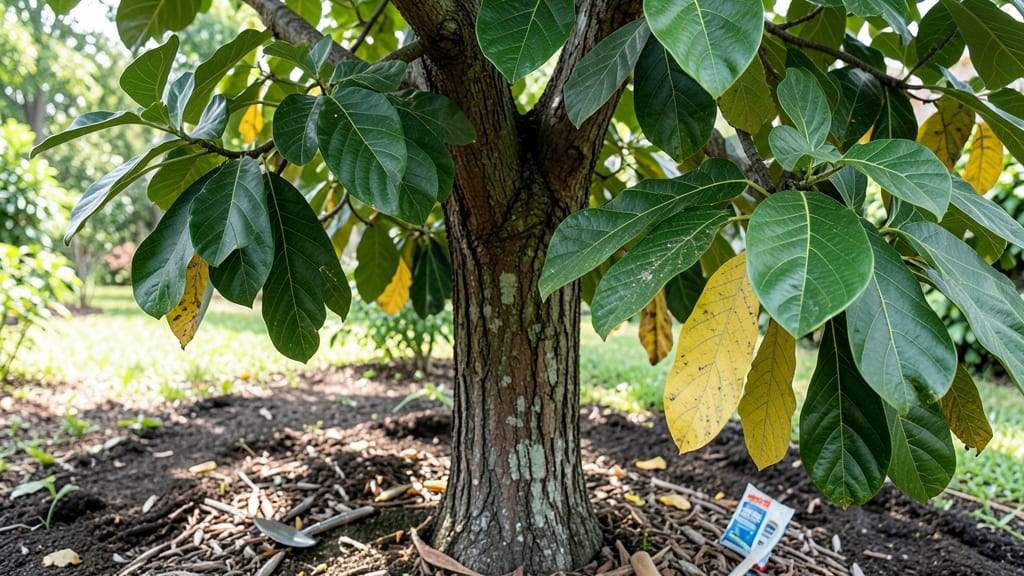
Avocado tree yellow leaves don’t have to mean the end of your plant—most cases fix with basic adjustments. 🌿 I’ve nursed back more than a few avocado trees from yellowing leaves, and the solutions are often simpler than you’d think, starting with checking your watering routine and soil health.
The real culprits are usually overwatering (which drowns roots) or nutrient deficiencies (especially nitrogen or magnesium). I’ve seen yellowing leaves turn vibrant green again within weeks just by adjusting water schedules or adding a balanced fertilizer. The key is acting fast before the problem spreads to the whole tree.
You’ll test soil moisture, inspect leaves for pests, and maybe add a little Epsom salt to the mix—simple steps that make a world of difference. By the end, your avocado tree will be back to its lush, healthy self, ready to produce fruit again.
First, rule out the easy fixes: underwatering or overwatering. Stick your finger an inch into the soil—if it’s bone dry, you’re underwatering; if it’s soggy, you’re overdoing it. Avocado trees like their soil damp but not soggy, and they hate sitting in wet feet.
Next, check the undersides of leaves for spider mites or scale insects, which suck nutrients and cause yellowing. A strong spray of water or neem oil can knock them out before they take over.
If the yellowing is on older leaves first, it’s often a magnesium deficiency—fix it with a sprinkle of Epsom salt around the base.
For stubborn cases, a balanced fertilizer (like 10-10-10) in early spring gives your tree the boost it needs. If the yellowing spreads fast or the leaves feel mushy, root rot might be the issue—time to repot with fresh, well-draining soil.
Most problems fix within 4-6 weeks of proper care, so don’t wait to act.
Root Causes Behind Yellowing Leaves
Avocado trees are stunning tropical plants, but when their leaves start turning yellow, it’s often a cry for help. Understanding the why behind this common issue is the first step to saving your tree.
Below, we break down the most frequent culprits—each with a clear scientific explanation and actionable insights to get your avocado tree thriving again.
Yellowing leaves are often a red flag for root stress, and overwatering is the #1 offender. Avocado trees (Persea americana) are native to well-drained, rocky soils in Mexico and Central America—meaning they hate soggy roots.
Why it happens:
- Oxygen deprivation: Waterlogged soil cuts off oxygen to roots, triggering anaerobic conditions. Roots suffocate, can’t absorb nutrients, and produce ethylene gas, a stress hormone that causes leaf yellowing (a process called chlorosis).
- Fungal infections: Excess moisture invites pathogens like Phytophthora, which attack roots and block nutrient uptake, leading to yellowing from the bottom up.
- Salt buildup: Overwatering flushes away essential minerals but leaves behind sodium and chlorine, which damage root cell membranes and disrupt chlorophyll production.
Actionable fix:
- Check the soil: Stick your finger 2–3 inches deep—if it’s damp, hold off on watering. Avocado trees prefer dry soil between waterings.
- Improve drainage: Amend heavy clay soil with perlite, coarse sand, or compost (20–30% mix). Elevate pots to prevent water pooling.
- Repot if needed: If roots are circling or the soil feels compacted, repot into a container with fast-draining mix (cactus/succulent blend works well).
Yellow leaves can signal a starving tree, especially if they appear pale green or yellow between veins (a classic sign of chlorosis). Avocados are heavy feeders and need a balanced diet of nitrogen (N), iron (Fe), zinc (Zn), and magnesium (Mg).
Why it happens:
- Iron deficiency (most common): Iron is crucial for chlorophyll synthesis, but its uptake drops in alkaline soils (pH >7.0). Even if iron is present, the roots can’t access it.
- Zinc deficiency: Leads to interveinal yellowing (yellowing between veins) and stunted growth. Zinc helps activate enzymes for nutrient absorption.
- Nitrogen deficiency: Causes older leaves to yellow first (senescence-like symptoms) because the tree prioritizes new growth.
- Magnesium deficiency: Yellowing starts on older leaves (since magnesium is mobile in the plant) and progresses to brown patches if untreated.
Actionable fix:
- Test your soil: Use a home soil kit or send a sample to a lab. Avocados thrive in slightly acidic to neutral soil (pH 6.0–7.0).
- Apply chelated nutrients:
- For iron: Use iron chelate (spray on leaves or soil) or Epsom salt (1 tbsp/gallon of water, applied monthly).
- For zinc/magnesium: Add zinc sulfate or dolomitic lime (for magnesium) to the soil.
- Use organic amendments: Compost, worm castings, or fish emulsion provide slow-release nutrients without overwhelming the tree.
While overwatering is more common, drought stress can also turn leaves yellow—often accompanied by crispy edges or leaf drop. Avocado trees are drought-tolerant but still need consistent moisture, especially in containers.
Why it happens:
- Water deficit: Roots can’t transport nutrients efficiently, leading to oxidative stress in leaves (yellowing as chlorophyll breaks down).
- Transpiration imbalance: Hot, dry air increases water loss through leaves faster than roots can replenish it, causing leaf scorch.
- Root damage: Chronic underwatering weakens roots, making them susceptible to sunburn or disease when finally watered.
Actionable fix:
- Water deeply but infrequently: Soak the root zone until water drains out the bottom (for pots). Let the top 1–2 inches dry out before watering again.
- Mulch heavily: Use wood chips or straw to retain moisture and regulate soil temperature.
- Provide shade: If temperatures exceed 90°F (32°C), give afternoon shade to reduce stress. Young trees are especially vulnerable.
Hidden invaders can sap your avocado’s strength, leading to yellowing leaves as a secondary symptom. Root-knot nematodes, spider mites, and fungal diseases are common culprits.
Why it happens:
- Root-knot nematodes: Microscopic worms burrow into roots, creating galls that block water/nutrient uptake. Leaves yellow from starvation or toxin buildup.
- Spider mites: These sap-suckers drain chlorophyll, causing yellow stippling (tiny yellow dots) on leaves before they turn brown and crispy.
- Fungal infections (e.g., root rot, anthracnose): Fungi like Colletotrichum thrive in humid conditions, clogging xylem vessels and preventing nutrient transport.
Actionable fix:
- Inspect leaves/roots: Look for webbing (mites), galls (nematodes), or black spots (fungus).
- Treat pests:
- Nematodes: Apply neem oil or **beneficial nematodes (Steinernema spp.) to the soil.
- Spider mites: Spray with soapy water or horticultural oil (repeat every 5–7 days).
- Fungus control: Improve airflow, avoid overhead watering, and apply copper fungicide or baking soda spray (1 tbsp baking soda + 1 quart water + few drops of soap).
Avocado trees are sensitive to sudden changes in their environment. Yellow leaves can be a response to wind, cold drafts, or poor air circulation.
Why it happens:
- Windburn: Strong winds desiccate leaves, causing yellowing and browning edges (common in outdoor trees).
- Cold shock: Temperatures below 30°F (-1°C) damage cell membranes, leading to chlorosis as chlorophyll degrades.
- Poor airflow: Humid, stagnant air encourages fungal growth (like powdery mildew) or bacterial leaf spot, both of which cause yellowing.
Actionable fix:
- Protect from wind: Use a windbreak (e.g., bamboo screen) or move potted trees to a sheltered spot.
- Acclimate gradually: If moving indoors/outdoors, harden off the tree over 1–2 weeks to avoid temperature shock.
- Improve ventilation: Space trees 6–10 feet apart and prune to allow airflow. Use a fan** for indoor trees.
Quick Fixes for Yellow Leaves
Reviving your avocado tree starts with pinpointing the root cause—whether it’s nutrient hunger, pests, or environmental stress. Below are practical, step-by-step solutions tailored to each issue, plus prevention tips to keep your tree lush and green. Let’s get your avocado tree back to its vibrant best!
Yellow leaves often signal a lack of essential nutrients. Here’s how to diagnose and correct the most common deficiencies:
🔥 Iron Chlorosis (Yellow Leaves with Green Veins)
Cause: Poor iron uptake, often due to alkaline soil or compacted roots. Fix:
- Soil Test First: Confirm iron deficiency with a soil test (pH > 7.0 is a red flag).
- Apply Chelated Iron: Use a chelated iron supplement (like iron sulfate or iron EDTA) every 4–6 weeks during growing seasons (spring/fall).
Follow package instructions for dosage. - Improve Drainage: Amend soil with organic matter (compost or peat moss) to loosen compacted roots.
Avoid overwatering, which worsens iron availability. - Mulch Properly: Spread 2–3 inches of organic mulch (wood chips or straw) around the base (but not touching the trunk) to retain moisture and encourage root growth.
💡 Pro Tip: If your soil is alkaline, mix in sulfur (1–2 lbs per 100 sq ft) to lower pH gradually over 3–6 months.
🍳 Nitrogen Deficiency (Overall Yellowing, Stunted Growth)
Cause: Lack of nitrogen, the tree’s growth fuel. Fix: - Fertilize Smartly: Use a balanced fertilizer (e.g., 6-6-6 or 10-10-10) in early spring and summer.
For a quick boost, try a high-nitrogen organic option like blood meal (1 tbsp per tree, worked into topsoil). - Compost Tea: Brew compost tea (steep compost in water for 24–48 hours) and water the tree at the base.
Repeat weekly for 4 weeks. - Fish Emulsion: Apply a fish emulsion fertilizer (5-1-1 ratio) every 6 weeks during active growth.
✨ Prevention: Top-dress with aged compost annually to replenish nitrogen naturally.
👨🍳 Potassium or Magnesium Deficiency (Yellow Edges or Spots)
Cause: Potassium (K) or magnesium (Mg) shortages, often in sandy or leached soils. Fix:
- Potassium Boost: Use a potassium-rich fertilizer (like greensand or wood ash) or a banana peel tea (steep peels in water for 2 days, strain, and water the tree).
- Epsom Salt for Magnesium: Mix 1 tbsp Epsom salt in a gallon of water and spray on leaves every 2 weeks until new growth appears.
- Soil Amendment: Add kelp meal (natural potassium source) or dolomitic lime (for magnesium) to the soil in early spring.
🎯 Targeted Treatment: For severe cases, inject liquid magnesium sulfate (Epsom salt solution) directly into the soil around the root zone.
Yellow leaves can also stem from sap-sucking pests or fungal infections. Act fast to stop the damage!
🔪 Root Rot or Fungal Issues (Mushy Stems, Yellowing + Wilting)
Cause: Overwatering or poor drainage leading to Phytophthora or Fusarium fungi. Fix: - Stop Watering Immediately: Let the soil dry out completely between waterings.
Only water when the top 2 inches of soil are dry. - Improve Drainage: Dig a 12-inch deep trench around the tree to redirect excess water.
Mix perlite or coarse sand into the soil to aerate it. - Fungicide Treatment: Apply a copper-based fungicide (like copper sulfate) or neem oil spray (1 tbsp neem oil + 1 tsp mild soap per gallon of water) every 10–14 days until new growth appears. - Prune Infected Areas: Remove yellowed or mushy leaves/stems with sterilized pruners (wipe with rubbing alcohol between cuts).
🌡️ Prevention: Plant avocados in well-draining soil and avoid overhead watering.
🍎 Spider Mites or Scale Insects (Stippled Yellow Leaves, Webbing)
Cause: These pests suck sap, causing leaves to yellow and drop. Fix: - Blast Off Pests: Spray the tree with a strong jet of water to dislodge mites/scale.
Do this early morning for 2–3 days in a row. - Neem Oil Spray: Mix 1 tbsp neem oil + 1 tsp castile soap per quart of water and spray under and on top of leaves every 5–7 days until pests vanish. - Introduce Predators: Release ladybugs or lacewings (natural predators) if mites persist. - Horticultural Oil: For heavy infestations, use dormant oil in late winter (when pests are least active).
💡 Pro Tip: Yellow sticky traps placed near the tree can monitor mite populations.
Sometimes, the issue isn’t what’s in the soil but what’s around it.
☀️ Sunburn or Heat Stress (Sudden Yellowing + Crispy Edges)
Cause: Too much direct sun, especially after transplanting or in hot climates. Fix:
- Provide Shade: Use a light shade cloth (30–50%) during peak afternoon sun (12–4 PM).
- Water Deeply: Water slowly and deeply (1–2 inches per week) to keep roots cool.
Use drip irrigation to avoid wetting leaves. - Mulch Heavily: Spread 4–6 inches of mulch around the base to insulate roots and retain moisture.
✨ Prevention: Acclimate young trees to sun gradually (start with 2–3 hours/day, increasing over weeks).
💦 Overwatering or Underwatering (Wilting + Yellowing)
Cause: Avocado trees hate "wet feet." Too much or too little water stresses roots. Fix: - Check Soil Moisture: Stick your finger 2 inches into the soil—if it’s damp, wait to water.
If dry, water slowly until it drains freely. - Adjust Watering Schedule: Water every 7–10 days in summer, every 3–4 weeks in winter (adjust for rain). - Raise the Tree: If in a pot, ensure it has drainage holes and elevate it on feet to prevent soggy soil.
🎯 Quick Test: If the soil smells like rot or the leaves feel mushy, cut back immediately and let the soil dry.
Keep your avocado tree thriving with these long-term strategies:
- 🌿 Soil Health: Test soil every 2–3 years and amend as needed (aim for pH 6.0–7.0).
- 🍃 Prune Wisely: Remove dead/diseased branches in late winter to improve airflow.
- 🌧️ Weatherproof: Protect from frost (cover with frost cloth) and winds (use a windbreak).
- 🍽️ Feed Regularly: Fertilize every 3 months with a balanced organic fertilizer (e.g., 5-5-5).
- 🔍 Monitor Early: Inspect leaves weekly for yellowing, spots, or pests—catch issues before they spread!
Frequently asked questions
Why do avocado tree leaves turn yellow first on older leaves?
This is often a sign of magnesium deficiency or potassium shortage. Avocado trees prioritize sending these nutrients to new growth, so older leaves show symptoms first. Try applying Epsom salt (1 tbsp/gallon) as a foliar spray or work dolomitic lime into the soil to restore magnesium levels.
Can I save my avocado tree if half the leaves are already yellow?
Yes! Act quickly by adjusting your watering (avocados hate soggy roots), checking for pests, and adding a balanced fertilizer. Many trees recover within 4-6 weeks of proper care. The key is identifying the root cause—overwatering, nutrient deficiency, or pests—and addressing it immediately.
How often should I fertilize an avocado tree with yellow leaves?
Start with a balanced fertilizer (like 10-10-10) every 4-6 weeks during growing seasons (spring/fall). For deficiencies, use targeted supplements: Epsom salt for magnesium, iron chelate for chlorosis, or fish emulsion for nitrogen. Over-fertilizing can burn roots, so always follow package instructions.
Are yellow leaves on my avocado tree always a bad sign?
Not always! Some yellowing is normal as leaves age, but widespread yellowing signals stress. Look for patterns: bottom leaves yellowing? Likely nutrient deficiency. Yellowing with brown edges? Could be overwatering or sunburn. If only a few leaves yellow, it’s probably natural senescence—no action needed.
What’s the fastest way to fix yellow leaves caused by overwatering?
Stop watering immediately and let the soil dry completely. Improve drainage by adding perlite or coarse sand to heavy soils, and repot if needed. For severe cases, prune affected leaves and apply a copper fungicide to prevent root rot. Within 2-3 weeks, you should see new green growth as roots recover.