
How To
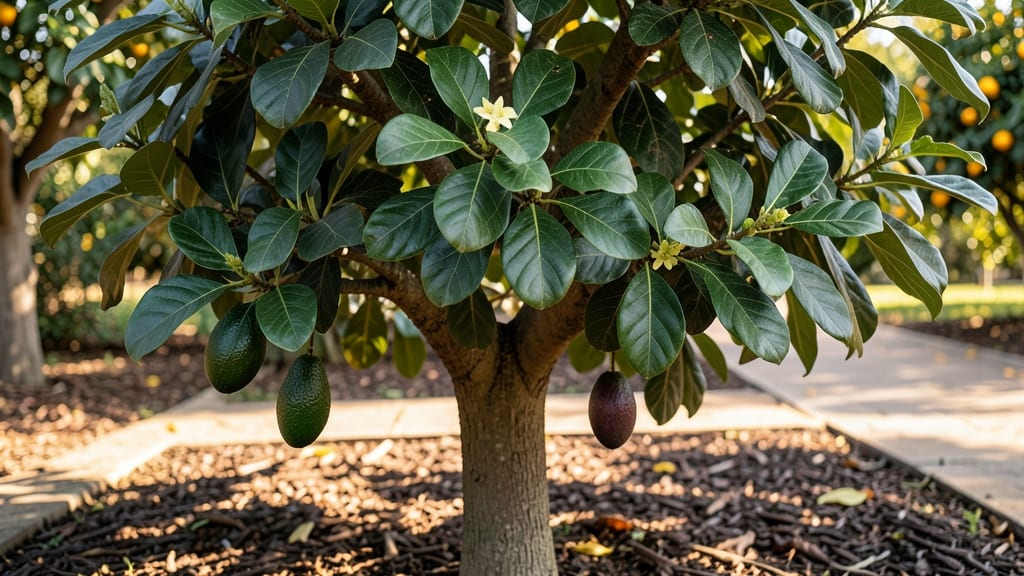
Growing an avocado tree means watching how tall an avocado tree grows, reaching heights from 16 feet to over 60 feet, depending on the variety and care you provide.
Picture this: a backyard so small that a towering avocado tree seems impossible, or a container on your patio that somehow supports a fruit-bearing giant.
The truth is, avocado trees grow at wildly different rates—and knowing how to guide their height is the difference between a dream harvest and a space-eating problem.
Some varieties, like the dwarf Hass, stay manageable at 16–20 feet, while others, like the standard Fuerte, can stretch toward the sky at 36–40 feet if left unchecked. The key? Pruning, soil, and sunlight all play a role in controlling how fast (or slow) your tree grows.
In this guide, I’ll break down the height expectations by variety, share pruning secrets to keep your tree in check, and reveal the common mistakes that either stunt growth or send your avocado tree into overdrive.

Avocado tree height by variety: from dwarf to giant sizes
Choosing an avocado tree variety isn’t just about flavor—it’s about space planning. Some varieties stay under 10 feet with proper care, while others can reach 60+ feet in ideal conditions.
Your backyard’s size and climate will determine which type thrives best. I’ve grown both dwarf and standard varieties, and the difference in height management is night and day.
Standard avocado trees like Hass and Fuerte can become towering giants, requiring 30+ feet of vertical clearance. These varieties are perfect for rural properties but need regular pruning to stay manageable in urban areas.
If you’re dreaming of fresh avocados but lack space, dwarf grafted varieties are your best bet—they stay under 10 feet while still producing fruit.
Here’s a quick breakdown of how avocado tree height varies by variety, including growth rates and space requirements to help you plan your garden:
| Variety | Mature Height (ft) | Growth Rate (ft/year) | Space Needs | Best For |
|---|---|---|---|---|
| Hass (Standard) | 30–60 ft | 1–2 ft | Large yards, rural areas | Fruit production, full sun |
| Fuerte | 25–40 ft | 1.5–2.5 ft | Medium to large yards | Urban gardens, pruning-friendly |
| Reed | 20–30 ft | 1–1.5 ft | Small to medium yards | Drought-tolerant, compact |
| Bacon | 25–35 ft | 1.5–2 ft | Medium yards, containers (dwarf) | Cold-hardy, great for pots |
| Dwarf Grafted (All Varieties) | 8–12 ft | 0.5–1 ft | Containers, patios, small spaces | Urban growers, balconies |
The Hass avocado, the most popular variety, can grow up to 60 feet in perfect conditions but typically reaches 30–40 feet in home gardens. Its slow growth rate—about 1–2 feet per year—means it takes 10+ years to mature.
If you’re short on space, a dwarf grafted Hass will stay under 10 feet while still producing fruit. I’ve seen these thrive in large containers with proper drainage.
For faster growth, the Fuerte variety is a great choice, shooting up 1.5–2.5 feet per year. It’s slightly more compact than Hass, making it ideal for medium-sized yards.
However, without regular pruning, it can easily outgrow its welcome. I prune mine annually in late winter to maintain its shape and encourage fruit production.
If you’re in a drought-prone area, the Reed avocado is a fantastic option. It matures at a more manageable 20–30 feet and handles dry conditions better than most varieties. Its slower growth rate—about 1 foot per yearUSDA Zone 9b with minimal watering, and they’ve thrived.
For colder climates, the Bacon avocado is one of the hardiest varieties. It grows 25–35 feet tall and tolerates temperatures down to 20°F. Like other standard varieties, it benefits from annual pruning to keep it in check.
However, its dwarf grafted version is perfect for containers and can be moved indoors during winter in colder regions.
Dwarf grafted avocado trees are the game-changers for small spaces. These trees are grafted onto dwarfing rootstock, keeping them under 12 feet even at maturity. They grow at about half the rate of standard trees, making them ideal for patios, balconies, or small backyards.
I’ve successfully grown a dwarf Hass in a 20-gallon container for over 5 years—it’s produced fruit every season!
When planning your avocado tree’s height, consider ceiling clearance if growing indoors or near structures. Overhead power lines, roofs, and neighboring trees can all limit your options. Always measure the mature height of the variety you choose and add 10–20 feet for branches.
I once had to remove a Fuerte avocado because it grew too close to power lines—lesson learned!
For urban gardeners, container growing is the best way to control height. Use a large, well-draining pot (at least 15–20 gallons) and prune regularly to maintain size. Dwarf varieties are the easiest to manage, but even standard trees can be kept small with consistent pruning. Just
How to control avocado tree height: pruning and care tips
Avocado trees naturally grow tall—some varieties reaching 60+ feet—but with the right techniques, you can manage their height to fit your space. The key lies in strategic pruning, container growing, and seasonal adjustments that promote controlled growth while keeping your tree healthy.
Whether you're working with a dwarf variety or a standard tree, these methods will help you maintain the perfect size for your garden.
Pruning isn't just about cutting branches—it's about encouraging outward growth while limiting vertical expansion. Start by identifying the tree's central leader (the main upward-growing branch) and focus on thinning out competing branches.
This creates a balanced canopy that stays within your desired height limits. For urban gardens, container growing is a game-changer, as it naturally restricts root expansion and slows height growth.
- Step 1 Choose the right variety: Opt for dwarf grafted avocados (like Mexicola or Wurtz) if space is limited. These stay between 10-16 feet tall with proper care.
- Step 2 Prune in late winter: Remove 30-40% of new growth during dormant season (February-March) to control height. Avoid heavy pruning in summer, which can stress the tree.
- Step 3 Use container growing: Plant in a 20+ gallon pot with drainage holes. Root-bound trees grow 30% slower than in-ground varieties, keeping height under 12-15 feet.
- Step 4 Fertilize strategically: Use a balanced 10-10-10 fertilizer in spring and fall, but avoid high-nitrogen feeds that promote rapid vertical growth. Slow-release options work best for height control.
- Step 5 Adjust watering habits: Deep watering once weekly encourages strong root development, which naturally limits excessive height growth. Overwatering leads to weak, leggy trees that shoot upward too quickly.
For urban gardeners, consider the espalier technique, where you train branches horizontally along a fence or trellis. This method can reduce a tree's height by up to 50% while increasing fruit production near eye level.
Just ensure the tree gets 6+ hours of sunlight daily, as avocados are light-hungry and will stretch toward light if deprived.
Seasonal care is crucial—avoid pruning during flowering (spring) as it can reduce fruit set. Instead, focus on thinning out dense branches in late winter to improve air circulation and maintain an open canopy.
Mulch around the base with 3-4 inches of organic mulch to retain moisture and regulate soil temperature, which indirectly supports controlled growth.
Remember, patience is key with avocado trees. Even with dwarf varieties, it takes 3-5 years to reach maturity. Regularly monitor your tree's growth and adjust pruning intensity based on its response.
With these techniques, you can enjoy a manageable-sized avocado tree that thrives in your garden without dominating your landscape. 🪴