
Pests and Diseases
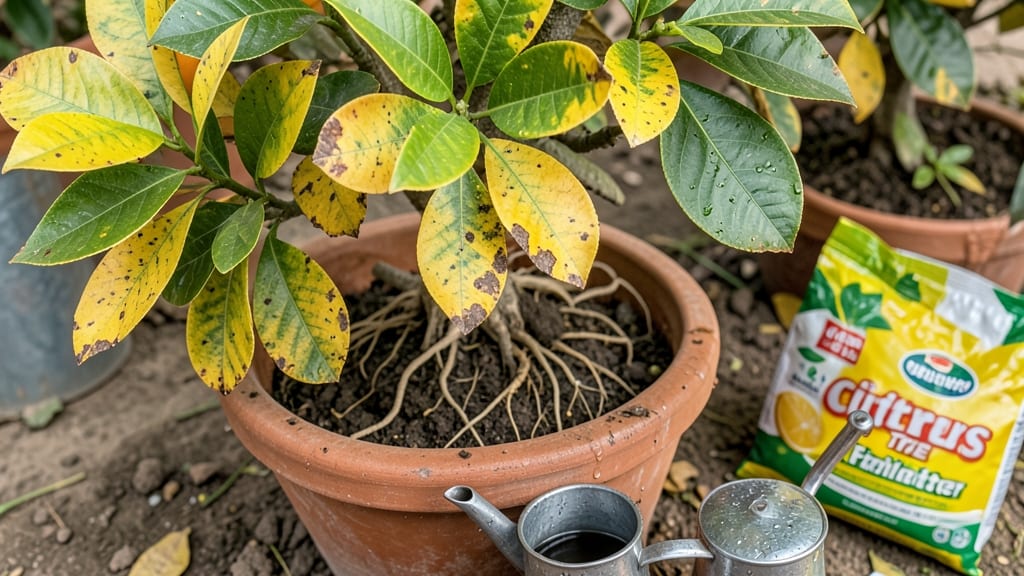
Your citrus tree’s yellowing leaves scream for help—why are my orange tree leaves turning yellow? It’s either drowning in water or starving for nutrients. 🌿 I’ve seen this happen after a single overzealous watering session or when soil gets depleted after years of heavy harvests.
The good news? Both problems have simple fixes once you know what to look for. Start by checking the soil: if it smells sour or stays soggy for days, you’re overwatering.
But if the leaves feel thin and pale with yellow between the veins, it’s likely a nutrient deficiency—especially iron or nitrogen. My first fix? A soil test kit (under $20) to pinpoint exactly what’s missing.
Within a week of adjusting watering or adding the right fertilizer, you’ll see new green growth pushing through. The key is consistency: citrus trees hate wet feet but also need steady nutrients to keep producing those sweet oranges. This works for both container-grown and in-ground trees.
Let’s get your tree back to vibrant health!
Why it happens
H2: Root Causes Of Yellowing Leaves
When your orange tree’s leaves start turning yellow, it’s often a cry for help—whether from too much love (overwatering) or a lack of essential nutrients. Understanding the why behind the discoloration is the first step to reviving your tree.
Below, we break down the most common culprits, backed by science, so you can diagnose the issue like a pro.
💧 Overwatering Or Poor Drainage
Orange trees are drought-tolerant and thrive in well-draining soil. When roots sit in soggy conditions for too long, they struggle to absorb oxygen, leading to root rot (caused by fungi like Phytophthora). This disrupts nutrient and water uptake, causing leaves to yellow—especially the older ones—before eventually dropping.
- Signs: Yellowing between leaf veins, mushy roots, or a foul smell from the soil.
- Why it happens: Excess moisture suffocates roots, blocking nutrient transport. Citrus trees prefer 60% sand or gravel in their soil mix to prevent waterlogging.
- Actionable fix: Let the top 2–3 inches of soil dry out between waterings. If your tree is in a pot, ensure it has drainage holes. For in-ground trees, amend clay soil with perlite or compost.
🌱 Nutrient Deficiencies: The Hidden Starvers
Yellowing leaves can signal a nutrient deficiency, but the pattern matters. For example, nitrogen deficiency (most common) causes uniform yellowing across older leaves, while iron or magnesium deficiencies (chlorosis) create yellow patches between veins.
| Nutrient | Symptoms | Cause | Fix |
|---|---|---|---|
| Nitrogen (N) | Overall yellowing, stunted growth | Poor soil or overwatering leaching nutrients | Apply balanced citrus fertilizer (e.g., 6-6-6) in early spring and fall. |
| Iron (Fe) | Yellowing between veins (chlorosis), especially on new leaves | Alkaline soil (pH > 7.0) locks out iron | Use chelated iron or sulfur to lower pH. Test soil annually. |
| Magnesium (Mg) | Yellowing between veins on older leaves (unlike iron) | Poor soil or excessive potassium | Apply Epsom salt (1 tbsp/gallon of water) every 2 weeks in growing season. |
| Zinc (Zn) | Yellowing with brown spots, stunted growth | Compacted or alkaline soil | Use zinc sulfate (1 tsp/gallon) or compost rich in organic matter. |
Pro tip: 🌡️ Test your soil’s pH—citrus trees prefer 6.0–7.0. If it’s too high, mix in elemental sulfur (1 lb per 100 sq ft) and retest in 2–3 months.
☀️ Environmental Stressors: Heat, Cold, Or Sunburn
Extreme temperatures or sudden changes can shock your orange tree, causing leaves to yellow. Heat stress (above 90°F) leads to scorched edges, while cold damage (below 28°F) causes brown, crispy yellowing. Even too much direct sun can burn tender new growth.
- Signs: Yellowing paired with brown patches, wilting, or leaf drop.
- Why it happens: Cell membranes break down under stress, disrupting chlorophyll production.
- Actionable fix:
- 🌳 Provide afternoon shade (30–50%) for young trees or those in hot climates.
- 💦 Increase watering frequency during heatwaves (but avoid overwatering!).
- ❄️ Protect from frost with row covers or mulch heavily in winter.
🐛 Pests Or Diseases Disrupting Health
While less common than nutrient issues, pests like aphids, scale, or spider mites can sap sap and block nutrient flow, leading to yellowing. Fungal diseases (e.g., citrus greening or root rot) also disrupt chlorophyll, causing mottled yellowing or leaf drop.
- Signs:
- Sticky residue (aphids), white cottony patches (scale), or webbing (spider mites).
- Yellowing paired with black sooty mold (a fungal hitchhiker on pest waste).
- Why it happens: Pests inject toxins or feed on phloem, starving leaves of sugars and nutrients.
- Actionable fix:
- 🔥 Blast pests off with water or use neem oil (1 tbsp/gallon).
- 🛡️ Apply horticultural oil in dormant season to smother eggs.
- 🌿 Improve air circulation by pruning dense branches to prevent fungal spread.
Fix Your Tree’s Yellow Leaves Now
Now that you’ve pinpointed the cause of your orange tree’s yellowing leaves, it’s time to take action! Below are practical, step-by-step solutions tailored to each issue, along with prevention tips to keep your tree thriving. Let’s get your citrus tree back to its vibrant, leafy glory!
---
Signs: Soft, mushy leaves, yellowing between veins, or a foul smell at the roots.
#### 🔥 Step 1: Check the Soil Moisture Before acting, confirm if overwatering is the issue: - Stick your finger 2–3 inches deep into the soil.
If it feels soggy or damp, you’re overwatering. - Use a moisture meter for accuracy—ideal soil should be lightly moist but not drenched.
#### 🍳 Step 2: Adjust Your Watering Routine Orange trees hate wet feet—they prefer well-draining soil and infrequent, deep watering. - Water deeply but less often: Aim for 1–1.5 inches of water per week (including rain).
Let the top 2 inches of soil dry out between waterings. - Water at the base, not the leaves, to prevent fungal diseases. - Improve drainage: If your pot lacks drainage holes, transfer your tree to a container with holes or amend the soil with perlite or sand (20% mix).
#### 👨🍳 Step 3: Aerate Compacted Soil If your tree is in the ground, compacted soil traps excess moisture. - Loosen the top 6 inches of soil around the roots with a garden fork or trowel. - Mix in compost or organic matter to improve airflow and drainage.
#### 🌡️ Prevention Tips ✅ Use a pot with drainage holes if growing in containers. ✅ Mulch around the base (but keep it 2–3 inches away from the trunk) to regulate moisture. ✅ Water in the morning so excess moisture evaporates during the day.
---
Signs: Yellowing leaves with green veins (chlorosis), stunted growth, or small, sparse fruit.
#### 🔥 Step 1: Test Your Soil A simple soil test kit (available at garden centers) can reveal deficiencies in nitrogen, iron, zinc, or magnesium. - If DIY testing isn’t an option, send a sample to a local extension office for a professional analysis.
#### 🍎 Step 2: Apply the Right Fertilizer Orange trees need balanced nutrition, but deficiencies require targeted fixes:
| Deficiency | Symptoms | Solution | |----------------|----------------------------|------------------------------------------------------------------------------| | Nitrogen | Yellowing lower leaves first | Apply a balanced citrus fertilizer (6-6-6 or 8-3-9) every 4–6 weeks in growing season. | | Iron | Yellow new leaves (chlorosis) | Use chelated iron (like Ironite) or acidify soil with sulfur (pH 6.0–7.0). | | Zinc | Yellowing between veins, stunted growth | Sprinkle zinc sulfate (1 tsp per gallon of water) or use a citrus micronutrient mix. | | Magnesium | Yellow edges on older leaves | Apply Epsom salt (1 tbsp per gallon of water) every 2–3 months. |
#### 💡 Pro Tip: - Avoid over-fertilizing—too much can burn roots. Follow package instructions closely. - Slow-release fertilizers (like Osmocote) reduce the risk of overfeeding.
#### 🎯 Prevention Tips ✅ Fertilize in early spring (when new growth starts) and stop in fall/winter. ✅ Use organic matter (compost, worm castings) to improve soil health long-term. ✅ Monitor pH levels—citrus trees prefer slightly acidic to neutral soil (pH 6.0–7.0).
---
Signs: Yellowing leaves paired with holes, webs, or sticky residue (aphids, mites, or fungal spots).
#### 🔪 Step 1: Identify the Culprit - Spider mites: Tiny webs on undersides of leaves. - Aphids: Sticky sap (honeydew) and curled leaves. - Fungal issues: Yellow spots with black edges (anthracnose) or powdery white coating (powdery mildew).
#### 🚿 Step 2: Treat Infestations | Pest/Disease | Treatment | |------------------|------------------------------------------------------------------------------| | Spider mites | Spray with neem oil (1 tsp per quart of water) or insecticidal soap. Repeat every 5–7 days. | | Aphids | Blast off with water spray or use horticultural oil.
Introduce ladybugs for natural control. | | Fungal issues | Prune infected leaves, then spray with copper fungicide or baking soda mix (1 tsp baking soda + 1 quart water + a drop of dish soap). |
#### ⏰ Prevention Tips ✅ Inspect leaves weekly—catch pests early! ✅ Encourage beneficial insects (like lacewings) by planting marigolds or basil nearby. ✅ Avoid overhead watering to prevent fungal spores from spreading.
--- Regardless of the cause, these quick fixes can help revive your tree: - Prune yellow/diseased leaves with sterilized shears to redirect energy to healthy growth. - Move potted trees to a sunnier spot (citrus needs 6–8 hours of sunlight daily). - Repot if root-bound—circling roots strangle growth and worsen nutrient issues.
--- Your orange tree’s yellow leaves don’t have to stay that way! With the right adjustments, you’ll see new green growth in weeks. Start with one fix, monitor progress, and soon, your tree will be back to producing juicy, fragrant oranges—and stunning foliage to match. 🍊✨
Frequently asked questions
Why do only the older leaves turn yellow first?
This is usually a sign of nitrogen deficiency or normal leaf senescence. Orange trees prioritize nutrients for new growth, so older leaves yellow first when nitrogen runs low. Check if the yellowing starts at the bottom of the tree—this confirms nutrient starvation rather than overwatering.
Can I use coffee grounds to fix yellow leaves?
Yes! Coffee grounds are excellent for acid-loving citrus trees because they lower soil pH, helping unlock iron and other nutrients. Mix 1 cup of used coffee grounds per 10 sq ft into the top 2 inches of soil. Reapply every 2-3 months, but avoid overdoing it—too much can compact soil.
How long does it take to see improvement after fixing the problem?
With proper care, you should see new green growth in 2-4 weeks. If you corrected overwatering, expect older yellow leaves to drop while new ones emerge. For nutrient deficiencies, improvement may take 4-6 weeks as the tree rebuilds its reserves. Patience is key—don't over-fertilize expecting faster results!
Is yellowing always bad? When should I worry?
Not always! Seasonal yellowing (like in late fall/winter) is normal as the tree prepares for dormancy. Start worrying if you see: yellowing paired with brown spots, leaf drop, or sticky residue (signs of pests/disease). Also check for mushy roots—this indicates root rot from overwatering.
Can I save my tree if half the leaves are already yellow?
Even with 50% yellow leaves, your tree can recover if the roots are healthy. Focus on correcting the root cause (watering, nutrients, or pests) and prune the worst yellow leaves to redirect energy. Within 2-3 months of proper care, you'll see significant regrowth—just be patient with the recovery process.