
How To
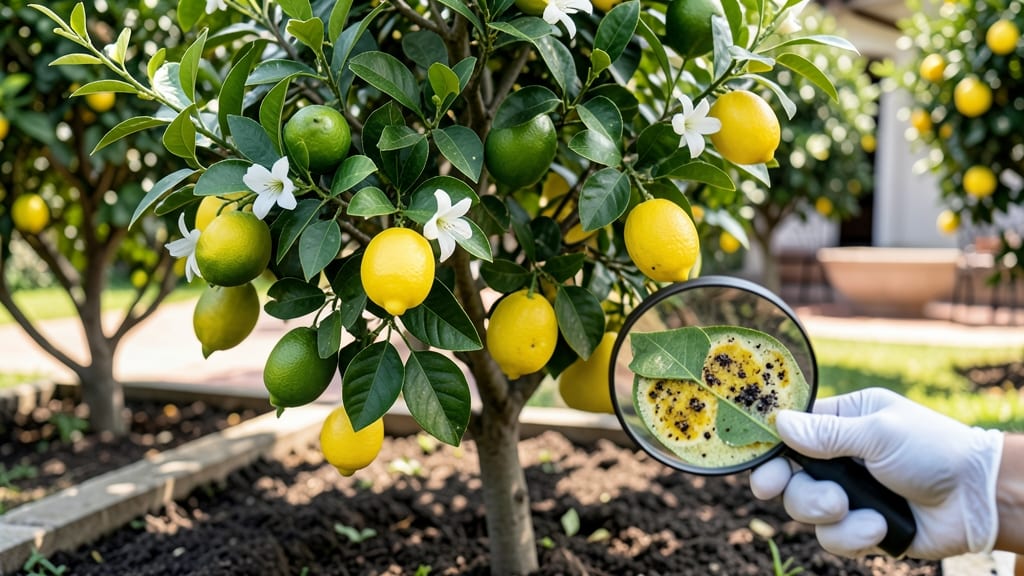
Identifying citrus tree diseases before they cripple your harvest saves time, money, and heartache. 🌿 The moment you spot yellowing leaves or dark, crusty spots on fruit, you're already in the thick of it—citrus canker or leaf spot could be spreading.
I’ve seen healthy trees turn into sad shadows in weeks if ignored, but catching these early means simple fixes like pruning and copper sprays can still work. The first red flags are irregular leaf patterns—think wavy edges or sudden browning—and fruit deformities, like dimpled skin or blackened patches.
Root rot hides underground until you see wilting branches that don’t bounce back after watering, even when the soil’s soggy. These diseases thrive in warm, humid weather, so if your tree’s struggling during summer, pay extra attention.
With the right tools—a magnifying glass, a pruner, and a spray bottle—you can diagnose and treat most issues before they spread. The key is acting fast: remove infected leaves immediately, sterilize your tools, and adjust watering to keep roots happy.
A healthy citrus tree should have glossy green leaves and smooth, vibrant fruit—if yours isn’t, we’ll fix that.
This guide covers the most common citrus diseases, including citrus canker, greening disease, and root rot, with clear visual cues to spot them early. You’ll learn how to prune correctly, sterilize tools, and adjust care to stop the spread.
No fancy equipment needed—just sharp eyes and a willingness to act. Let’s keep your tree thriving.
Underlying Triggers Explained
Citrus trees, with their vibrant foliage and sweet fruit, are vulnerable to diseases like leaf spot and root rot due to a mix of environmental, biological, and cultural factors.
Understanding why these issues arise helps you take proactive steps to protect your trees. Below, we break down the key reasons behind these common citrus afflictions.
Citrus trees thrive in warm climates, but excessive humidity creates the perfect breeding ground for fungal pathogens. Leaf spot diseases, such as citrus scab or melanose, spread rapidly when humidity stays above 90% for prolonged periods.
Poor airflow—often caused by overcrowded trees or dense foliage—traps moisture on leaves, allowing spores to germinate and infect the plant.
Why it matters: Fungal spores need moisture to survive and spread. Without proper airflow, the spores linger on leaf surfaces, increasing infection rates.
Citrus trees prefer well-draining soil, but root rot (often caused by Phytophthora or Fusarium fungi) thrives in soggy conditions. Overwatering or poor drainage leads to oxygen deprivation in the roots, weakening the tree’s defenses and inviting fungal invaders.
Why it matters: Healthy roots need oxygen to absorb nutrients. When soil stays waterlogged, roots suffocate, making the tree susceptible to rot and secondary infections.
Stressed citrus trees—due to nutrient deficiencies, physical damage, or improper pruning—are more vulnerable to diseases. For example, a tree lacking zinc or iron may develop yellowing leaves (chlorosis), making it easier for pathogens to take hold.
Why it matters: A tree’s natural defenses (like waxy leaf cuticles or antimicrobial compounds) weaken under stress, allowing diseases to exploit openings.
Some pests, like aphids or scale insects, don’t just feed on citrus—they spread fungal spores from infected to healthy trees. For instance, Xylella fastidiosa (a bacterial pathogen) can hitch a ride on sap-sucking insects, leading to citrus variegated chlorosis.
Why it matters: Pests create wounds and excrete honeydew (a sugary substance that promotes fungal growth), turning your tree into a disease hotspot.
Using unsterilized pruning shears or grafting tools can transfer pathogens between trees. Even minor cuts during pruning provide entry points for fungi or bacteria. Poor wound healing (due to harsh pruning) leaves the tree exposed to infections like canker diseases.
Why it matters: Open wounds act like doorways for disease-causing microbes, bypassing the tree’s natural barriers.
By recognizing these triggers, you can prevent rather than just treat citrus diseases. The next step? Learn how to spot early warning signs before they spread.
How to Treat Citrus Tree Troubles
Citrus trees may look tough, but diseases like leaf spot and root rot can weaken them fast. The good news? With the right actions, you can revive your tree and keep future problems at bay.
Below, we break down practical fixes for each issue—plus prevention tips to protect your citrus grove long-term.
---
Leaf spot is unsightly, but it’s manageable if caught early. Here’s how to stop the spread and restore your tree’s health:
#### 🔥 Remove Infected Foliage Immediately - Why? Fungal spores thrive on dead leaves—removing them cuts off the infection source. - How? - Pick off yellowing, spotted, or wilting leaves with sterilized pruners (wipe with rubbing alcohol between cuts). - Do not compost infected leaves—seal them in a plastic bag and throw them away. - Pro Tip: 💡 Check the undersides of leaves first—spots often start there!
#### 🍳 Apply Fungicide (The Right Way) - Best fungicides for citrus leaf spot: - Copper-based sprays (e.g., Bordeaux mixture or copper sulfate) – natural and effective. - Neem oil (1% solution) – organic, disrupts fungal growth. - Systemic fungicides (e.g., propiconazole or myclobutanil) – for severe cases (follow label instructions). - How to spray: - Timing: Apply early morning or late evening (avoid direct sun—it burns leaves). - Coverage: Spray both sides of leaves and lightly wet the branches. - Frequency: Reapply every 7–14 days until new growth appears spot-free (usually 4–6 weeks).
#### 👨🍳 Improve Airflow & Reduce Moisture - Why? Fungus loves humid, stagnant air. - How? - Prune to open the canopy (remove crossing branches and overly dense foliage). - Space trees properly (6–10 feet apart for dwarf varieties, 15–20 feet for standards). - Water at the base (avoid overhead sprinkling—it spreads spores).
#### 🌡️ Boost Tree Resilience - Fertilize wisely: - Use a balanced citrus fertilizer (6-6-6 or 8-3-9 ratio) twice a year (spring & early summer). - Avoid over-fertilizing with nitrogen—it encourages soft, susceptible growth. - Mulch correctly: - Apply 2–3 inches of organic mulch (straw, wood chips) away from the trunk to retain moisture without causing rot.
---
Root rot is silent but deadly—once it sets in, recovery is tough. Act fast with these emergency measures:
#### ⏰ Stop Watering Immediately - Why? Overwatering is the #1 cause of root rot. - How? - Let the soil dry out before watering again. - Check moisture: Stick your finger 2–3 inches deep—if it’s damp, wait. - Adjust irrigation: - Drip irrigation (best for citrus—delivers water directly to roots). - Avoid flood irrigation (soggy soil = rot city).
#### 🔪 Prune Damaged Roots (If Possible) - When? Only attempt this if you’ve recently planted the tree (mature trees may not recover). - How? - Gently loosen soil around the base (use a hand trowel). - Trim black, mushy roots with sterilized pruners (healthy roots are firm and white). - Replant in well-draining soil (see next step).
#### 🥘 Repot or Amend the Soil - If the tree is in a pot: - Remove it, rinse roots, and repot in fresh, fast-draining mix (50% potting soil, 50% perlite/sand). - If in-ground: - Dig a trench around the roots and fill with gravel/sand mix to improve drainage. - Add compost (but keep it 6+ inches from the trunk).
#### 🌡️ Use Fungicides for Root Rot - Best treatments: - Systemic fungicides (e.g., phosphite-based like Aliette) – penetrates roots. - Hydrogen peroxide (3%) – safe, natural root soak (1 part peroxide to 20 parts water, soak roots for 10 mins). - How to apply: - For potted trees: Soak roots in fungicide solution for 15–20 minutes before replanting. - For in-ground trees: Water deeply with diluted fungicide (follow label rates).
#### 🎯 Long-Term Prevention: Keep Roots Happy - Choose the right spot: - Full sun (6+ hours daily) + well-draining soil (citrus hates soggy feet). - Avoid compacted soil: - Aerate the root zone annually with a garden fork. - Monitor drainage: - Test your soil (a simple percolation test—dig a hole, fill with water, time how long it drains. Ideal: 4–6 hours).
---
✨ Preventative sprays: Apply neem oil or copper fungicide every 4–6 weeks during wet seasons (even if no spots appear). ✨ Clean up debris: Rake and remove fallen leaves weekly—they harbor fungal spores. ✨ Quarantine new plants: If you buy a new citrus tree, keep it separate for 2 weeks to spot early signs of disease. ✨ Watch for pests: Scale, aphids, and mites weaken trees—treat with insecticidal soap if you see them.
--- Remember: The key to long-term citrus health is consistency. A little prevention now saves big headaches later—your tree will thank you with juicy oranges, lemons, and limes for years! 🍊🍋🍉
Frequently asked questions about citrus tree diseases
How can I tell if my citrus tree has leaf spot vs. greening disease?
Leaf spot shows as dark brown or black spots with yellow halos on leaves, often with white fungal growth underneath. Greening disease (HLB) causes yellowing between leaf veins and small, bitter fruit that never ripen properly. Check for scale insects too—they spread greening.
My citrus tree leaves are curling—could it be a disease?
Curling leaves often signal pests like mites or aphids rather than disease, but citrus variegated chlorosis can also cause twisting. Look for sticky residue (honeydew) or tiny webs—if present, treat with insecticidal soap. For chlorosis, test for bacterial infection (lab confirmation helps).
What’s the fastest way to sterilize pruning tools to prevent spreading disease?
Wipe blades with 70% rubbing alcohol or bleach solution (1 part bleach to 9 parts water) between cuts. For thorough sterilization, soak tools in boiling water for 10 minutes or use a UV sterilizer. Always clean after each tree to avoid cross-contamination.
Can I still harvest fruit from a diseased citrus tree?
Only if the disease is contained to leaves/branches (like early leaf spot). Remove all infected fruit immediately—some diseases (like greening) make fruit inedible even if it looks normal. For severe cases, quarantine the tree and monitor new growth before harvesting.
Why does my citrus tree keep getting sick even after treatment?
Common reasons include re-infection (not removing all infected debris), poor drainage (root rot), or pest reinfestation. Check your watering habits, soil pH (citrus prefers 6.0–7.0), and pruning practices. Consider a soil test—nutrient deficiencies weaken trees.