
Featured
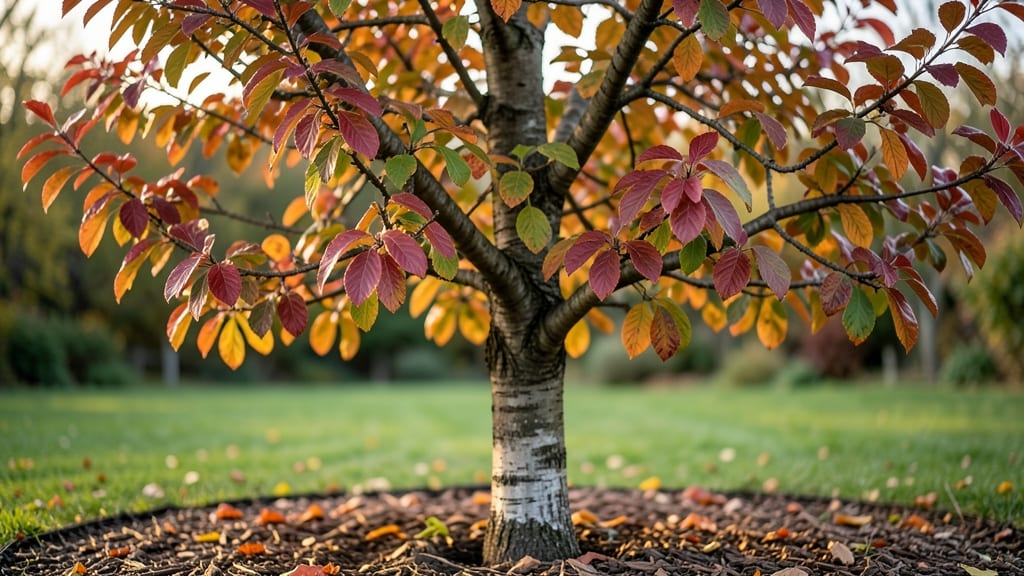
Your apple tree’s leaves turning red this fall might look stunning—but it could also signal trouble. 🌿 I’ve seen this happen after a dry summer, from nutrient imbalances, or even from hidden pests, and the fix depends on what’s really going on beneath the vibrant foliage.
First, check the roots: drought stress or poor drainage can trigger early color changes, while fungal diseases like anthracnose might cause reddening paired with spots or curling. A quick soil test reveals whether magnesium or phosphorus deficiencies are at play—both common culprits in reddened leaves.
The good news? Most issues are fixable. Adjust watering to keep soil consistently moist (but not soggy), apply a balanced fertilizer in early spring, and prune any dead or diseased branches before winter. For pests, a strong spray of water or neem oil usually does the trick.
Prevention starts now: mulch around the base to retain moisture, thin the canopy for better airflow, and monitor for early signs of disease. With the right care, next year’s autumn display will be intentional—not a warning sign.
Natural Triggers Behind Crimson Canopies
Apple tree leaves don’t just turn red by chance—they’re following a carefully choreographed biological script. The vibrant hues you see in autumn are the result of complex chemical reactions and environmental cues.
Understanding these triggers helps you appreciate the science behind the spectacle and even encourage more dramatic color changes in your own orchard. Let’s break down the key reasons why apple tree leaves blush, burn, and blaze with red.
Autumn’s cooling temperatures and shortening daylight hours are the primary directors of this leafy performance. As temperatures drop below 50°F (10°C) and daylight shrinks to fewer than 12 hours, apple trees shift from growth mode to survival mode.
This triggers the breakdown of chlorophyll—the green pigment responsible for photosynthesis—revealing the hidden colors beneath.
But here’s the twist: red pigments (anthocyanins) don’t just appear—they’re actively produced in response to stress. Cooler nights (below 40°F/4°C) and sunny days create the perfect conditions for anthocyanin synthesis.
In fact, apple trees like Malus pumila varieties (such as ‘Red Delicious’ or ‘Gala’) are genetically predisposed to produce more anthocyanins when exposed to these temperature fluctuations.
Actionable tip: 🌡️ If you want deeper reds, avoid late-season fertilizers high in nitrogen—they delay color development. Instead, let the tree focus on stress responses by reducing watering slightly as temperatures drop.
Before leaves fall, apple trees recycle nutrients from the foliage back into their roots and branches. This process, called senescence, involves the breakdown of chlorophyll and the transport of sugars and nutrients to storage tissues.
When sugars get “trapped” in the leaves (due to blocked transport pathways), they interact with other pigments, intensifying red and orange tones.
Certain apple varieties, like ‘Jonagold’ or ‘Cortland’, are particularly prone to this sugar-trapping effect, leading to fiery red leaves. The trapped sugars also contribute to the production of carotenoids (yellow/orange pigments) and anthocyanins (red/purple pigments), creating a dazzling mix.
Pro tip: 🍁 Avoid pruning heavily in late summer—it can accelerate nutrient loss and dull the autumn color. Light pruning in early spring is better for preserving vibrant foliage.
Water plays a surprising role in leaf coloration. Drought stress or excessive moisture can both trigger reddening, but for different reasons:
- Dry conditions: When soil moisture drops, apple trees conserve water by slowing nutrient transport. This stress response boosts anthocyanin production as a protective mechanism against UV damage.
- Wet conditions: Overly saturated soil can limit oxygen uptake, causing cellular stress. Some varieties, like ‘Liberty’, react by producing more red pigments to cope.
Key insight: 💧 Moderate watering in early autumn (without waterlogging) often yields the most dramatic reds. Avoid sudden droughts or soggy soil—consistency is key.
The acidity or alkalinity of your soil can influence pigment production. Apple trees thrive in slightly acidic soil (pH 6.0–7.0), but extreme pH levels can alter leaf chemistry:
| Soil pH | Effect on Leaf Color | Why It Happens |
|---|---|---|
| Acidic (<6.0) | Brighter reds/oranges | Increases availability of iron and manganese, which may enhance anthocyanin synthesis. |
| Neutral (6.0–7.0) | Balanced colors (red, yellow, orange) | Optimal nutrient uptake for healthy pigment development. |
| Alkaline (>7.0) | Duller greens/browns | Limits iron and phosphorus absorption, reducing vibrant pigment production. |
Actionable fix: 📊 Test your soil in early spring and amend with sulfur (to lower pH) or lime (to raise it) if needed. Aim for a pH of 6.5 for the best autumn foliage.
Not all apple trees turn red—it’s largely a matter of genetics. Some varieties are bred specifically for their autumn foliage, while others barely change color. Here’s how genetics play a role:
- Anthocyanin-rich varieties: Trees like ‘Redfree’ or ‘Enterprise’ produce high levels of anthocyanins naturally, even without stress.
- Hybrids & rootstocks: Grafting an apple tree onto a rootstock (like M.9 or B.9) can influence color intensity due to differences in nutrient uptake.
- Wild vs. cultivated: Some crabapple species (e.g., Malus floribunda) are hardwired for dramatic reds, while commercial apple trees may need environmental triggers.
Fun fact: ✨ If you’re planting for color, look for varieties labeled as “ornamental” or “autumn interest” in nurseries. Even some fruit-bearing apples (like ‘Honeycrisp’) can surprise with stunning red leaves!
Revive Your Apple Tree’s Vibrancy
If your apple tree’s leaves are turning red but you’d rather keep them lush and green (or at least avoid unexpected color shifts), don’t panic—there’s a solution for every cause.
Below, we’ve mapped out practical fixes tailored to the root of the problem, plus prevention tips to keep your tree thriving. Whether it’s disease, stress, or seasonal quirks, here’s how to bring back that healthy glow.
If red leaves signal a hunger for nitrogen, magnesium, or iron, your tree is basically yelling, “I need snacks!” Here’s how to respond:
- 🌱 Test the Soil Grab a soil test kit (or send a sample to your local extension office) to confirm deficiencies. Red edges or yellowing between veins often mean magnesium (Epsom salt) or iron (chelated iron) is lacking.
- 🍲 Apply Balanced Fertilizer Use a 10-10-10 or 20-20-20 fertilizer in early spring or fall. For magnesium, mix 1 tablespoon of Epsom salt per gallon of water and spray the soil (not leaves). Repeat every 4–6 weeks.
- 🌿 Organic Boost Top-dress with compost or well-rotted manure to improve soil structure and nutrient availability. Mulch with wood chips or straw to retain moisture and slow nutrient loss.
💡 Pro Tip: Avoid over-fertilizing! Too much nitrogen can burn roots. Start with half the recommended dose and monitor progress.
If red leaves are accompanied by spots, powdery residue, or leaf drop, a fungal infection like apple scab or anthracnose might be to blame. Act fast:
- 🧴 Prune Infected Branches Remove and dispose of (not compost!) severely affected leaves and stems. Sterilize pruners with rubbing alcohol between cuts.
- 🛡️ Apply Fungicide Use a copper-based fungicide (like Copper Sulfate) or a biological option such as neem oil. Spray every 7–14 days during wet seasons or when new growth appears.
- 🌧️ Improve Airflow Thin out dense branches to reduce humidity trapped near the foliage. Space trees 15–20 feet apart for better airflow.
✨ Prevention: Water early in the day so leaves dry quickly. Avoid overhead irrigation during rainy seasons.
Drought or overwatering can turn leaves red as a distress signal. Here’s how to get the moisture balance right:
- 💧 Check Soil Moisture Stick your finger 2–3 inches deep into the soil. If it’s dry, water deeply. If it’s soggy, hold off and improve drainage.
- 🌊 Deep Watering Routine Water slowly and deeply (1–2 inches per week) at the base of the tree, not the leaves. Use a soaker hose for efficiency.
- 🪴 Mulch Properly Apply a 3-inch layer of mulch (wood chips, straw) around the tree, keeping it 6 inches away from the trunk to prevent rot.
🔥 Hot Tip: Young apple trees need more frequent watering (2–3 times per week in summer). Mature trees can handle drought better but still appreciate deep soakings.
Extreme heat or cold snaps can shock your apple tree into reddening leaves. Protect it with these adjustments:
- ☀️ Provide Afternoon Shade If your tree is in a hot, sunny spot, install shade cloth (30–50%) during peak afternoon heat (1 PM–5 PM).
- ❄️ Winterize Young Trees Wrap the trunk with tree wrap or burlap in late fall to prevent sunscald. Add a thick layer of mulch (4–6 inches) to insulate roots.
- 🌬️ Windbreaks for Exposure Plant wind-resistant shrubs (like arborvitae) on the north or west side to block harsh winds and cold drafts.
🎯 Long-Term Fix: Choose cold-hardy apple varieties (e.g., Granny Smith, Honeycrisp) if you’re in a Zone 4–6 climate.
Sap-sucking pests like aphids, mites, or scale insects can drain nutrients, causing red or stippled leaves. Kick them out with these tactics:
- 🔍 Inspect Leaves Daily Look for sticky residue (honeydew), tiny webs, or black sooty mold. These are telltale signs of pests.
- 💦 Blast Them Off Spray leaves with a strong stream of water to dislodge aphids or mites. Repeat every 3–4 days for severe infestations.
- 🐞 Introduce Beneficial Bugs Release ladybugs, lacewings, or predatory mites (available at garden centers) to naturally control pests.
- 🧴 Use Horticultural Oil Apply neem oil or insecticidal soap in the early evening to avoid harming bees. Reapply after rain.
💡 Early Action: Act at the first sign of pests—infestations spread fast in warm weather!
Once you’ve addressed the issue, lock in these habits to prevent future red leaf surprises:
| Task | When to Do It | Why It Works |
|---|---|---|
Test soil every
Frequently asked questions
1
Is it normal for apple tree leaves to turn red in spring?Red leaves in spring are usually a red flag—not a natural process. This often signals nutrient deficiencies (like magnesium or iron) or early stress from frost damage. If you see red in spring, test your soil and consider applying a balanced fertilizer or Epsom salt for magnesium. True autumn color changes happen in cooler weather.
2
Can I still harvest apples if the leaves turn red?Yes, but monitor the tree closely. Red leaves from stress (drought, disease) won’t harm fruit quality, but severe nutrient deficiencies or fungal infections (like anthracnose) might reduce yield. Check for spots or curling—if present, treat the tree before harvest. Varieties like 'Honeycrisp' often produce great fruit even with colorful foliage.
3
How can I tell if red leaves are from disease vs. natural autumn color?Look for these clues: Disease often shows spots, powdery residue, or leaf drop alongside red. Natural autumn color appears uniformly across the tree, with no other symptoms. Test by gently rubbing leaves—sticky residue (honeydew) or black mold suggests pests or fungal issues. Check the undersides of leaves first.
4
Will pruning help stop leaves from turning red?Pruning helps, but timing matters. Thin out dense branches in late winter/early spring to improve airflow and reduce stress. Avoid heavy pruning in summer—it accelerates nutrient loss and can worsen reddening. Focus on removing dead or diseased branches, and never prune more than 25% of the canopy at once.
5
Are there apple varieties that naturally have red leaves all season?Yes! Some ornamental varieties like 'Red Sentinel' or 'Royalty' maintain red-purple foliage year-round. Even fruit-bearing trees like 'Red Delicious' or 'Jonagold' show red hues in autumn. For guaranteed color, plant crabapple varieties such as 'Malus 'Evereste'—they’re bred specifically for vibrant foliage. |