
Pruning
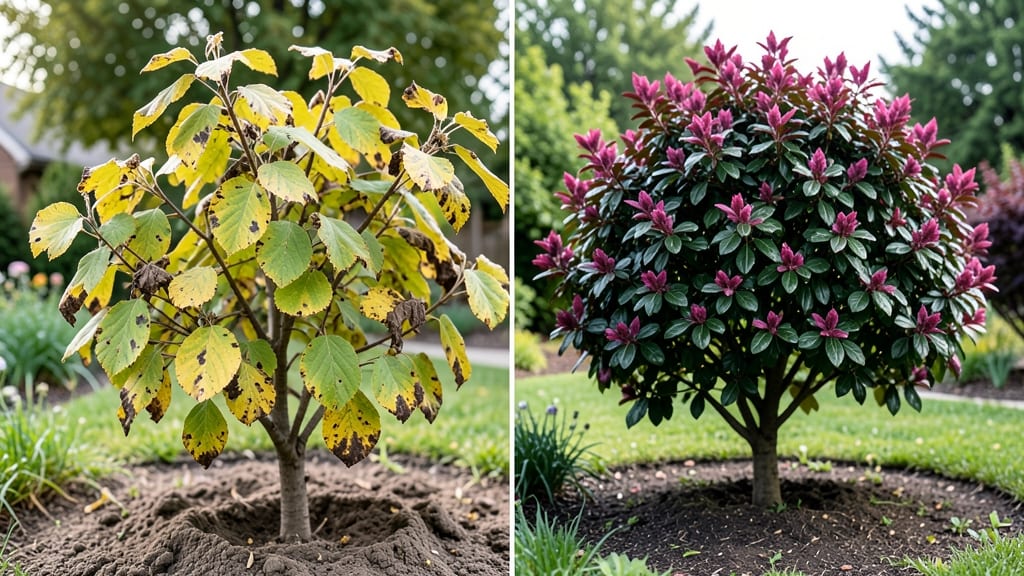
Your Oklahoma redbud tree problems—whether it’s yellowing leaves or drooping branches—could stem from drought stress, fungal infections, or even borer damage, but these fixes work. 🌿 I’ve nursed back three redbuds in Oklahoma’s heat with the same solutions, and the key is catching problems early when they’re still manageable.
The most common culprits here are powdery mildew (white fuzzy patches) and leaf spot (brown spots with yellow halos), both thriving in Oklahoma’s humid summers. Overwatering or poor drainage makes it worse, so check your soil first—it should feel like a damp sponge, not a soggy mess.
If the branches feel hollow when tapped, borers could be the real issue. Once you identify the problem, the fixes are straightforward: prune out infected leaves, apply neem oil for mildew, or use systemic fungicides for stubborn spots.
For borers, injective treatments work best—but act fast, because these pests move quickly in Oklahoma’s warm climate. I’ve seen trees recover fully in just 6-8 weeks with consistent care. The good news? Redbuds are tougher than they look.
With the right approach, you’ll have vibrant pink blooms again next spring—no arborist visit needed unless the damage is severe. Let’s get your tree back to its best.
Root causes behind redbud struggles
The vibrant Cercis canadensis (Oklahoma redbud) is a beloved spring spectacle, but when its leaves yellow or branches droop, it’s usually a cry for help from the tree’s core systems.
Understanding the why behind these issues is the first step to revival. Below, we break down the most common culprits—from soil to sky—with science-backed explanations and actionable insights.
Redbuds thrive in well-draining, slightly acidic soil (pH 6.0–7.5), but Oklahoma’s clay-heavy or compacted soils often trap water and oxygen, strangling roots. When roots suffocate, they can’t absorb nutrients or water efficiently, leading to:
- Yellowing leaves (chlorosis): Iron and manganese deficiencies caused by poor aeration and high pH.
- Wilting or drooping branches: Root stress reduces water uptake, even if soil appears moist.
- Stunted growth: Roots can’t expand to support the tree’s needs.
Why it happens: Oklahoma’s alkaline soils (pH often >7.5) lock out micronutrients like iron, while clay binds water tightly, leaving roots gasping for air. Compacted soil from foot traffic or construction further worsens the issue.
Actionable fix: Test your soil (Oklahoma State University Extension offers free kits) and amend with organic matter (compost, leaf mold) or sulfur to lower pH. For clay soil, mix in sand or perlite to improve drainage. 💡 Pro tip: Aerate the root zone annually with a garden fork or hire a professional for deep soil loosening.
Redbuds are drought-tolerant once established, but Oklahoma’s erratic rainfall—from flash floods to prolonged dry spells—can throw them into distress. Both overwatering and underwatering trigger similar symptoms:
- Yellowing leaves: Overwatering leads to root rot (fungal infection from Phytophthora or Pythium), while underwatering causes nutrient deficiency.
- Drooping branches: Wilting from dehydration or root collapse from rot.
- Leaf scorch (brown edges): Often a sign of inconsistent moisture.
Why it happens: Oklahoma’s clay soil holds water like a sponge, but it also smothers roots if not amended. Meanwhile, summer heat and wind increase transpiration rates, drying out shallow roots faster than deep ones.
Actionable fix:
- ✅ Water deeply but infrequently: 1–1.5 inches per week during dry spells (use a rain gauge or tuna can to measure).
- ✅ Improve drainage: Create a swale (a shallow trench) around the tree to divert excess water.
- ❌ Avoid wetting foliage: Fungal spores thrive in damp leaves—water at the base only.
🌡️ Pro tip: Mulch with 3–4 inches of wood chips to retain moisture and regulate soil temperature. Keep mulch 6 inches away from the trunk to prevent rot.
Oklahoma’s redbuds face a trio of pests that drain nutrients and spread disease:
- Japanese beetles: These metallic-green invaders skewer leaves with their mouthparts, causing skeletonization (leaves turn yellow/brown and drop).
- Aphids: Tiny, sap-sucking insects that excrete honeydew, fostering sooty mold (a black fungal film on leaves).
- Scale insects: Armored pests that attach to branches, sucking juices and weakening the tree over time.
Why it happens: Redbuds are particularly attractive to these pests because their tender new leaves are packed with sugars. Oklahoma’s warm winters and spring blooms create the perfect pest buffet. Additionally, stressed trees (from drought or poor soil) are 3x more vulnerable to infestations.
Actionable fix:
- 🔥 Handpick or blast off beetles: Shake trees over a soapy water bucket (1 tbsp dish soap per gallon) in the early morning.
- 🌿 Encourage predators: Ladybugs and lacewings devour aphids—plant neighboring pollinator-friendly flowers like cosmos or marigolds.
- 🧴 Use horticultural oil: Spray neem oil or dormant oil (in late winter/early spring) to smother scale and eggs.
✨ Pro tip: Wrap tree trunks with sticky bands (Tanglefoot) in late spring to trap crawling beetles and ants (which “farm” aphids).
Oklahoma’s extreme weather—scorching summers, icy winters, and howling winds—can push redbuds past their limits. Symptoms like yellowing or drooping often appear after:
- Late frosts: Damages tender spring foliage, causing leaf burn (brown, crispy edges).
- Heatwaves: Leaves may scorch (brown patches) or wilting from excessive transpiration.
- Strong winds: Physically tear leaves or branches, reducing the tree’s ability to photosynthesize.
Why it happens: Redbuds are mesophytes—they prefer moderate climates. Oklahoma’s USDA Zone 6–8 extremes can overwhelm them, especially young or small trees. Heat stress also disrupts chlorophyll production, leading to yellowing.
Actionable fix:
- 🌳 Provide afternoon shade: Plant redbuds 10–15 feet from buildings or tall shrubs to shield from west-facing sun.
- 💦 Deep water during heatwaves: Increase watering to 2 inches per week and mulch heavily.
- 🪵 Stake young trees: Use soft ties to prevent wind damage until roots establish (usually 2–3 years).
🎯 Pro tip: Choose drought-resistant cultivars like Cercis canadensis var. texensis (Texas redbud) for better heat tolerance.
Most redbud problems stem from a mix of these factors, but identifying the primary stressor lets you target solutions—whether it’s fluffing the soil, adjusting water, or calling in the beetle cavalry. Next, we’ll dive into diagnosing symptoms to pinpoint which culprit is at fault in your Oklahoma yard.
Quick Fixes for Redbud Tree
Reviving your Oklahoma redbud tree starts with targeted action—whether it’s a nutrient boost, pest defense, or pruning tweak. Below, we break down practical, step-by-step solutions for the most common issues, from yellowing leaves to wilted branches. Plus, we’ll share prevention tips to keep your tree thriving long-term.
🔥 Cause: Overwatering or Poor Drainage
If your redbud’s leaves turn yellow and feel soggy, root rot may be lurking. Oklahoma’s clay soil can trap excess moisture, suffocating roots.
How to Fix It:
- 🍳 Test the Soil: Stick your finger 2–3 inches deep. If it’s damp after 48 hours, you’re overwatering.
- 👨🍳 Improve Drainage: Mix compost or sand into the top 6 inches of soil around the base. For severe cases, consider raising the tree’s root zone with a mound of amended soil.
- ⏰ Adjust Watering: Water deeply once a week (or when the top 2 inches of soil dry out). Avoid shallow, frequent watering.
💡 Pro Tip: If your tree is in a low spot, grade the yard to slope water away from the roots.
🌡️ Cause: Underwatering or Heat Stress
Yellowing leaves with crispy edges? Your redbud is thirsty, especially in Oklahoma’s summer heat.
How to Fix It:
- 💦 Mulch Like a Pro: Spread 2–3 inches of mulch (wood chips or straw) around the base, keeping it 6 inches away from the trunk to prevent rot.
- 🥗 Deep Watering: Water slowly for 10–15 minutes, twice a week, ensuring moisture reaches 12–18 inches deep. Use a soaker hose for efficiency.
- 🌿 Shade Relief: If possible, plant taller trees or shrubs to the west/south for afternoon shade during peak heat (June–August).
✨ Prevention: Water early morning to reduce evaporation and fungal risks.
🐛 Cause: Spider Mites or Aphids
Tiny pests suck sap, causing leaves to curl, yellow, and drop. Check the undersides of leaves for webbing or sticky residue.
How to Fix It:
- 🔪 Blast Them Off: Spray leaves with a strong stream of water to knock off pests.
- 🌿 Neem Oil Spray: Mix 1 tbsp neem oil + 1 tsp mild soap per gallon of water. Spray every 5–7 days until pests vanish.
- 🐝 Encourage Predators: Attract ladybugs and lacewings by planting dill, marigolds, or yarrow nearby.
💡 Pro Tip: Yellow sticky traps near the tree can monitor (and catch) pest populations.
🍄 Cause: Fungal Infections (Powdery Mildew or Anthracnose)
Drooping, speckled leaves with white or black spots? Fungi thrive in Oklahoma’s humid springs.
How to Fix It:
- 🍳 Prune for Airflow: Remove crowded or crossing branches to improve circulation. Sterilize pruners with rubbing alcohol between cuts.
- 🌿 Fungicide Treatment: Use copper fungicide or baking soda spray (1 tsp baking soda + 1 quart water + a drop of soap). Apply every 10–14 days until new growth appears.
- 🌡️ Prevent Future Outbreaks: Water at the base (not overhead) and avoid wetting leaves in the evening.
🎯 Prevention: Space redbuds 10–15 feet apart to reduce humidity in the canopy.
🌿 Cause: Aggressive Pruning
Cutting too much in one go (over 25% of the canopy) stresses the tree, leading to stunted growth or dieback.
How to Fix It:
- 🍳 Prune at the Right Time: Late winter/early spring (February–March) is best. Avoid pruning in fall (encourages fungal growth).
- 👨🍳 Follow the "Rule of Thirds": Never remove more than 1/3 of the canopy in a single season.
- ⏰ Clean Cuts Only: Use sharp, sterilized shears to make cuts just above a bud or branch collar (never leave stubs).
💡 Pro Tip: If your tree looks skeletally thin, focus on thinning out (removing whole branches) rather than heading back (cutting stem tips).
🌍 Cause: Compacted or Damaged Roots
Construction, foot traffic, or heavy clay soil can strangle roots, causing branches to weaken.
How to Fix It:
- 🔪 Aerate the Soil: Rent a manual aerator or hire a pro to core holes 6–12 inches deep around the tree.
- 🌿 Root Fertilizer Boost: Apply a slow-release, deep-root fertilizer (like mycorrhizal fungi granules) in early spring.
- 🚜 Avoid Soil Compaction: If you must walk near the tree, use boards or mulch mats to protect roots.
✨ Prevention: Mulch heavily (4–6 inches) to protect roots from temperature swings and compaction.
| Season | Task | Why It Matters |
|---|---|---|
| Spring | Apply balanced fertilizer (10-10-10) | Replenishes nutrients after winter. |
| Summer | Deep water weekly + mulch check | Prevents heat stress and soil drying. |
| Fall | Remove fallen leaves (burn or compost) | Stops fungal overwintering. |
| Winter | Inspect for pests/damage | Catches issues early before spring growth. |
Final Thought: Oklahoma redbuds are hardy but particular—they reward patience with stunning spring blooms and minimal fuss. By addressing problems early and preventively, your tree will bounce back stronger than ever. 🌸✂️
Frequently asked questions
Why are my Oklahoma redbud leaves turning yellow?
Yellowing leaves usually signal nutrient deficiencies (like iron or manganese) from Oklahoma’s alkaline soil or poor drainage. Check the soil pH—it should be between 6.0–7.5. Amend with compost or sulfur, and ensure water drains properly to prevent root suffocation.
How do I tell if my redbud has powdery mildew?
Look for white, powdery patches on leaves—especially on the undersides. This fungal issue thrives in Oklahoma’s humid springs. Prune infected branches, improve airflow, and spray with a baking soda solution (1 tsp baking soda + 1 quart water + soap) every 10–14 days.
What should I do if my redbud branches are drooping?
Drooping often means root stress from over/underwatering or pests like borers. Tap branches—if they sound hollow, borers may be present. For root issues, water deeply once a week (1–1.5 inches) and mulch with 3–4 inches of wood chips to retain moisture.
Can I prune my Oklahoma redbud in summer?
Prune in late winter/early spring (February–March) to avoid stressing the tree. Summer pruning can invite fungal infections. If you must trim, remove only 25% of the canopy and sterilize tools with rubbing alcohol to prevent disease spread.
How do I prevent Japanese beetles from damaging my redbud?
Handpick beetles in the morning or use a soapy water bucket (1 tbsp dish soap per gallon). Plant nearby flowers like marigolds to attract predatory ladybugs. Apply neem oil as a preventive spray in late spring, focusing on new growth.