
Pruning
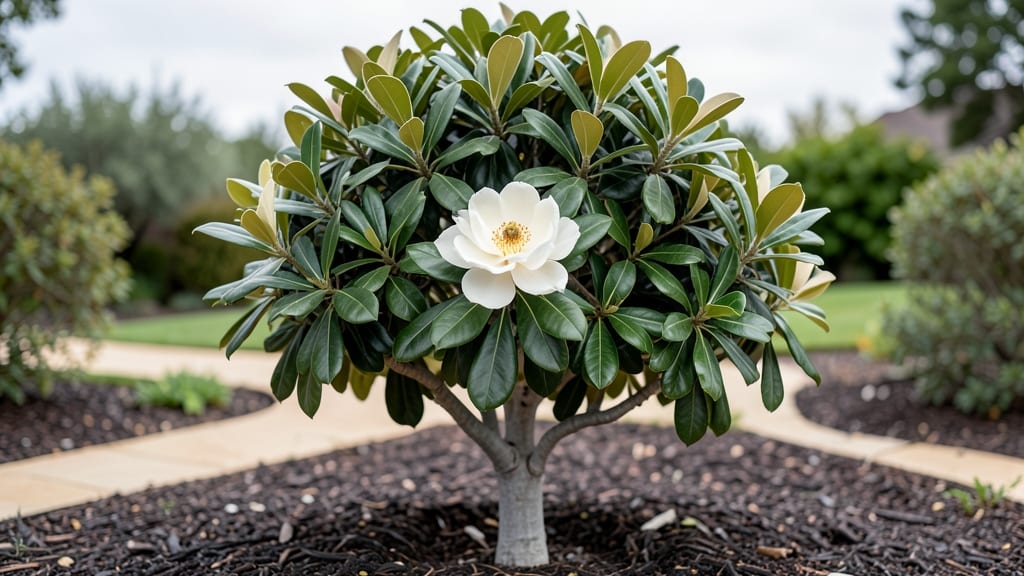
A dwarf magnolia tree stays under 10 feet at maturity, making it one of the most versatile choices for small gardens or urban landscapes 🌸.
If you love the stunning blooms of magnolias but lack the space for towering giants, dwarf varieties are the perfect solution—offering breathtaking flowers while staying compact and manageable.
These trees grow at a slower pace than their larger counterparts, reaching 50% of their mature height in just the first three years. That means you can enjoy their fragrant blooms sooner without sacrificing long-term impact.
Below, I’ll share the 5 best dwarf magnolia varieties under 10 feet, how to pair them with other plants, and the spacing tricks that make them look intentional in any yard.

5 Dwarf magnolia tree varieties under 10 feet (height comparison guide)
If you’re dreaming of magnolia blooms but limited by space, dwarf varieties let you enjoy their beauty without sacrificing garden real estate. These compact trees mature under 10 feet, making them perfect for small yards, containers, or even as stunning focal points near patios.
Each variety offers unique flower colors and growth habits, so you can choose one that perfectly fits your design vision.
The key to selecting the right dwarf magnolia lies in understanding their mature heights, growth rates, and ideal conditions. Some varieties stay under 6 feet, while others reach closer to 10 feet—a critical distinction if you’re working with tight spaces.
Below, I’ve compared the top 5 dwarf magnolias based on height, bloom time, and care needs to help you make an informed decision.
Comparison Table: Dwarf Magnolia Varieties Under 10 Feet
The Magnolia 'Black Tulip' is my top pick for containers or tiny gardens, thanks to its 6-8 foot height and dramatic dark purple blooms. It thrives in partial shade and grows at a manageable pace, making it ideal for beginners.
For a slightly taller option with early blooms, Magnolia 'Jane' reaches 8-10 feet and produces fragrant pink flowers—perfect for adding height to a mixed border.
If you’re after a low-maintenance option, Magnolia 'Little Gem' is a winner. This variety stays compact at 6-8 feet and produces glossy, evergreen foliage year-round. Its late spring blooms add a pop of color without overwhelming your space.
For shade-loving gardens, Magnolia 'St. Mary' is a standout with its 8-10 foot height and white, cup-shaped flowers that appear mid-spring.
Finally, Magnolia 'Spring Snow' is a delightful choice for woodland-style gardens. It matures at 6-8 feet and bursts into bloom early in the season with pure white flowers. This variety is particularly forgiving if your soil isn’t perfectly acidic, making it a great option for less-than-ideal conditions.
When selecting a dwarf magnolia, consider not just height but also your hardiness zone and sunlight exposure. Most dwarf varieties thrive in zones 5-9 and prefer partial shade, though a few, like 'Little Gem,' tolerate more sun.
For container growing, choose a variety under 6 feet to ensure stability and ease of care.
Pro tip: Pair your dwarf magnolia with complementary plants like azaleas or ferns to create a layered look. Place taller varieties near fences or walls to save space, while smaller ones shine as standalone specimens in garden beds.
With the right placement, these compact trees will transform your garden into a fragrant, floral paradise—no matter how small your space!
🌸
How to choose the right dwarf magnolia for your garden size and climate
Selecting the perfect dwarf magnolia for your garden means balancing space constraints with your local climate. These stunning trees offer compact sizes while delivering show-stopping blooms, but not all varieties thrive in the same conditions.
Start by measuring your garden space—dwarf magnolias typically reach 6 to 10 feet at maturity, but some stay under 5 feet if pruned regularly.
Your hardiness zone is another critical factor. Most dwarf magnolias thrive in USDA Zones 5-9, but some cold-hardy varieties like Magnolia 'Black Tulip' can survive in Zone 4.
If you live in a warmer zone, like Zone 10, opt for heat-tolerant types such as Magnolia 'Jane', which handles humidity better than others.
Here’s the key to matching your dwarf magnolia to your garden:
🌱 Dwarf Magnolia Height Guide
Most dwarf magnolias mature between 6 and 10 feet, but varieties like 'Little Gem' (6-8 ft) and 'Black Tulip' (8-10 ft) are ideal for small yards. For containers or patios, choose 'Spring Snow' (5-6 ft) or 'Merrill' (4-6 ft). Always check spacing requirements—3-5 feet of clearance is typical for healthy growth.
Sunlight needs vary by variety, but most dwarf magnolias prefer partial shade—4 to 6 hours of morning sun with afternoon shade to prevent leaf scorch. If your garden is shady, Magnolia 'Ann' or 'Stella' are excellent choices, as they tolerate lower light better than sun-loving types.
Avoid planting in full sun unless your climate is mild, like in Zone 8 or 9.
Consider your maintenance preferences next. Some dwarf magnolias, like 'Little Gem', require minimal pruning, while others, such as weeping varieties, may need occasional shaping to maintain their form. If you’re new to gardening, start with low-maintenance types like 'Jane' or 'Black Tulip', which are forgiving and resilient.
Finally, think about seasonal interest. Some dwarf magnolias bloom in early spring (like 'Spring Snow'), while others, such as 'Ann', flower in late spring to early summer.
Pair your choice with complementary plants—azaleas, camellias, or hostas—to create a layered, year-round display that highlights your magnolia’s beauty.
With the right dwarf magnolia, you’ll enjoy fragrant blooms and lush foliage without sacrificing space. Start small, observe your garden’s microclimate, and choose a variety that fits your lifestyle and landscape goals. Happy planting! 🌸