
Pruning
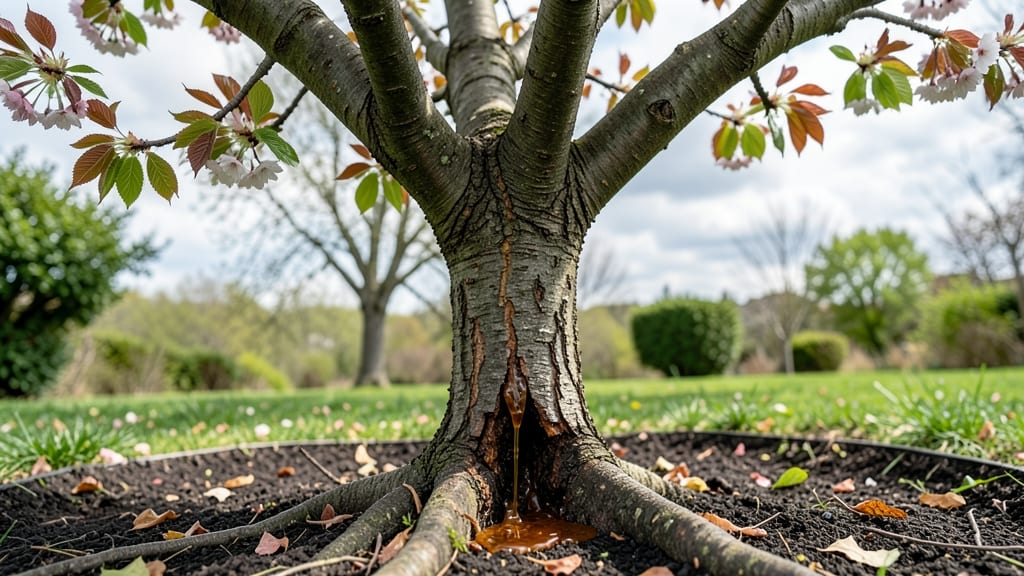
Your cherry tree’s sticky mess isn’t just annoying—it’s a cry for help. 🌳 Sap dripping from branches usually means stress from pests, disease, or even last winter’s freeze damage. The good news? Most causes have simple fixes that stop the flow within weeks.
Start by examining the tree for aphid clusters or oozing cankers—both common culprits. Prune affected branches 12 inches below the damage, then sterilize your tools to prevent spreading. For pests, a spray of horticultural oil smothers aphids without harming bees.
With proper care, your tree will recover its energy. Monitor moisture levels (too wet or too dry triggers stress) and apply mulch to protect roots. This isn’t just cleanup—it’s a chance to revive your tree’s health.
Prevention starts with yearly checks after heavy rains or cold snaps. Healthy trees resist sap issues better, so focus on balanced watering and seasonal pruning. If the problem persists, consult a local arborist—they can test for bacterial infections requiring targeted treatments.
Think of this as a reset button for your tree. Within a season, you’ll see less sap and more blossoms. The key is acting fast—before the mess (and potential disease) spreads. Your tree’s comeback starts now.
Root Causes Of Sap Leakage
If your cherry tree is oozing sap like a sticky syrup factory, don’t panic—it’s usually a sign of natural (or fixable) processes at work. Understanding the why behind the drips helps you address the issue before it becomes a mess.
Below, we break down the most common reasons your tree is leaking sap, from seasonal quirks to stress signals.
Cherry trees (especially Prunus species) experience spring sap flow as part of their annual growth cycle. Here’s the science:
- Xylem Pressure: In early spring, rising temperatures and longer daylight hours trigger the tree’s vascular system to push water and nutrients upward. This creates root pressure, forcing sap out through wounds, bark cracks, or even healthy tissue.
- Bud Break Timing: Sap flows most heavily when buds swell but haven’t yet opened. This is your tree’s way of "plumbing" its system before leaves absorb sunlight for photosynthesis.
- Species Matters: Sweet cherries (Prunus avium) often drip more than sour cherries (Prunus cerasus) due to their faster metabolic rate in spring.
Actionable Tip: 🌡️ If sap appears in late winter/early spring, it’s likely natural. Wait until buds fully open before pruning—disturbing the tree now can worsen the flow.
Any injury to the bark or branches acts like a faucet left running. Here’s how wounds trigger sap:
- Broken Branches: Wind, hail, or heavy fruit can crack branches, exposing the phloem (sap-transporting tissue). The tree seals the wound with sap as a temporary bandage.
- Animal Chewing: Deer, rabbits, or squirrels gnawing on bark create jagged edges that ooze sap continuously. Even birds pecking at buds can cause minor leaks.
- Tool Trauma: Poor pruning cuts (e.g., jagged edges, cutting too close to the trunk) prevent proper wound healing, leading to chronic dripping.
Actionable Tip: 🔪 Inspect the tree for fresh wounds. If damage is recent, clean cuts with pruning shears (sterilized with rubbing alcohol) and apply wound dressing (like tree sealant) to large injuries.
Some pests don’t just nibble—they tap into the tree’s plumbing. Look for these culprits:
| Pest | How It Causes Sap | Signs to Watch For |
|---|---|---|
| Borer Larvae (e.g., peach tree borers) | Larvae tunnel under bark, disrupting phloem and xylem, forcing sap to leak from exit holes. | Sawdust-like frass near wounds, wilting leaves, or oozing sap from small holes. |
| Aphids | These sap-suckers pierce cells, causing honeydew (sticky residue) that ferments and drips. | Clusters of tiny insects on new growth, black sooty mold on leaves. |
| Scale Insects | They insert their mouthparts into bark, creating weak points that weep sap. | White/brown bumps on branches, sticky residue on lower leaves. |
Actionable Tip: 🐜 Treat infestations early with neem oil (for soft-bodied pests) or invite ladybugs (natural predators). For borers, inject beneficial nematodes into wounds.
Too much water or compacted soil can stress the root system, leading to excess sap production as the tree struggles to regulate moisture. Here’s how:
- Root Suffocation: Waterlogged soil cuts off oxygen, forcing the tree to "bleed" sap through the bark to release pressure.
- Fungal Pressure: Excess moisture encourages root rot, which weakens the tree’s ability to contain sap within its vascular system.
- Salt Buildup: Over-fertilizing or hard water can create toxic salt concentrations in the soil, causing osmotic stress and sap leakage.
Actionable Tip: 💡 Test soil moisture—stick a screwdriver in the ground 6 inches deep. If it comes out damp, reduce watering. Amend clay soil with compost to improve drainage.
Cherry trees are sensitive to rapid temperature swings, especially in early spring. Here’s the damage:
- Cell Rupture: Freezing nights followed by warm days cause water in the xylem to expand and contract, bursting cells and releasing sap.
- Delayed Bud Break: Buds that swell in cold snaps but then freeze can leak sap as the tree "aborts" growth.
Actionable Tip: 🌤️ Protect young trees with burlap wraps in late winter. Avoid pruning during temperature swings (e.g., 30°F to 60°F in 24 hours).
Stop Sap Flow Naturally
Now that you know why your cherry tree is dripping sap, it’s time to take action! The good news? Most solutions are simple, cost-effective, and don’t require a green thumb. Below, we’ve mapped out practical fixes based on the root cause—plus prevention tips to keep your tree happy and mess-free.
If your tree is bleeding sap due to aggressive pruning or damage, the key is gentle healing. Follow these steps:
🔥 Step 1: Prune Correctly (If Needed)
- Avoid heavy cuts—only remove no more than 25% of the tree’s canopy in one season.
- Use sharp, sterilized tools to prevent tearing bark (which worsens sap flow).
- Make clean cuts at a 45-degree angle, just outside the branch collar (the swollen area where the branch meets the trunk).
- Never leave stubs—this invites disease and prolongs sap leakage.
👨🍳 Step 2: Seal Minor Wounds (If Necessary)
For small cuts or damaged bark: 1. Clean the wound with a mix of 1 part bleach to 10 parts water to kill bacteria.
- Apply tree wound sealant (like Tanglefoot Tree Wound Pruning Sealer)—but only on wounds larger than a quarter. - Pro Tip: 💡 Skip sealant on small cuts—it can trap moisture and cause rot. Let the tree’s natural healing do the work!
- Monitor for 2–4 weeks—if sap persists, the wound may be deeper than you thought.
🌡️ Step 3: Boost Tree Health A stressed tree leaks more sap.
Help it recover with: - Deep watering (1–2 inches per week, especially in dry spells). - Mulch around the base (2–3 inches of organic mulch, like wood chips, keeping it 6 inches away from the trunk). - Balanced fertilizer (use a slow-release, organic option like 10-10-10 in early spring).
If insects (like borers) or fungal infections are the culprit, act fast to stop the sap—and the damage.
🔪 Step 1: Identify the Problem
- Borers or beetles? Look for sawdust-like frass near holes in the bark.
- Fungal infection? Check for oozing, discolored sap or mushrooms at the base.
- Aphids or scale? Inspect leaves for sticky residue (honeydew) and tiny bugs.
⏰ Step 2: Treat Infestations
| Pest/Disease | Fix It With This | Prevention Tip |
|---|---|---|
| Borers/Beetles | Borer spray (like Bayer Advanced Tree & Shrub Insect Killer) or manual removal of larvae. | Prune damaged branches in late winter. |
| Fungal Infection | Copper fungicide (spray in early spring) or remove infected bark. | Improve airflow by thinning dense foliage. |
| Aphids/Scale | Neem oil spray or hose them off with water. | Encourage ladybugs (natural predators). |
🎯 Step 3: Strengthen Defenses
- Encourage beneficial insects (like ladybugs and lacewings) by planting dill, fennel, or marigolds nearby.
- Avoid over-fertilizing with nitrogen—it attracts pests. Use a balanced formula instead.
The best fix? Stop the problem before it starts. Here’s how:
- 🌿 Prune at the Right Time
- Best window: Late winter or early spring (when the tree is dormant).
- Avoid pruning in fall—it stresses the tree and invites sap flow.
- 🌧️ Water Deeply, Not Often
- Shallow watering encourages weak roots and stress. Instead, water deeply 1–2 times per week (adjust for climate).
- 🪓 Use Proper Tools
- Dull shears = torn bark. Invest in sharp bypass pruners and a pruning saw for thicker branches.
- 🚫 Skip the Sealant Trap
- Only seal wounds larger than a quarter. Smaller cuts heal faster on their own.
- 🍂 Clean Up Debris
- Remove fallen leaves, branches, and fruit to prevent fungal growth and pest attraction.
Final Thought: Most sap issues resolve within 4–6 weeks with the right care. If your tree keeps leaking after a month, it may need a professional arborist’s eye—especially if you suspect deep borer damage or disease.
Now grab your pruners and get to work—your floors (and your tree) will thank you! 🌿✨
Frequently asked questions
Is sap dripping from my cherry tree normal in spring?
Yes, some sap flow is natural during bud break (late winter/early spring) as the tree’s vascular system activates. Sweet cherries often drip more than sour varieties due to faster growth. If it’s just sticky residue on branches, wait until buds fully open before pruning—disturbing the tree now can worsen the flow.
How do I tell if sap is from pests vs. natural causes?
Check for these clues: Pest-related sap often has honeydew (sticky residue), tiny insects, or sawdust-like frass near holes. Natural sap usually appears as clear droplets from wounds or bark cracks. If you see aphid clusters or scale insects, those are likely culprits—treat with neem oil or insecticidal soap.
Can I prune my cherry tree during sap flow season?
Yes, but wait until buds fully open (typically late spring) to minimize stress. Avoid heavy pruning now—focus on removing only dead/diseased branches. Sterilize tools with rubbing alcohol first to prevent spreading infections. Small cuts (½ inch diameter) heal faster without sealant.
Will sealing wounds stop sap flow completely?
Not always—sealant only helps large wounds (>1 inch). For smaller cuts, let the tree’s natural healing do the work. If sap persists after 4-6 weeks, the issue may be deeper (like borer damage). In that case, consult an arborist—they can test for internal problems requiring targeted treatments.