
Neem Oil
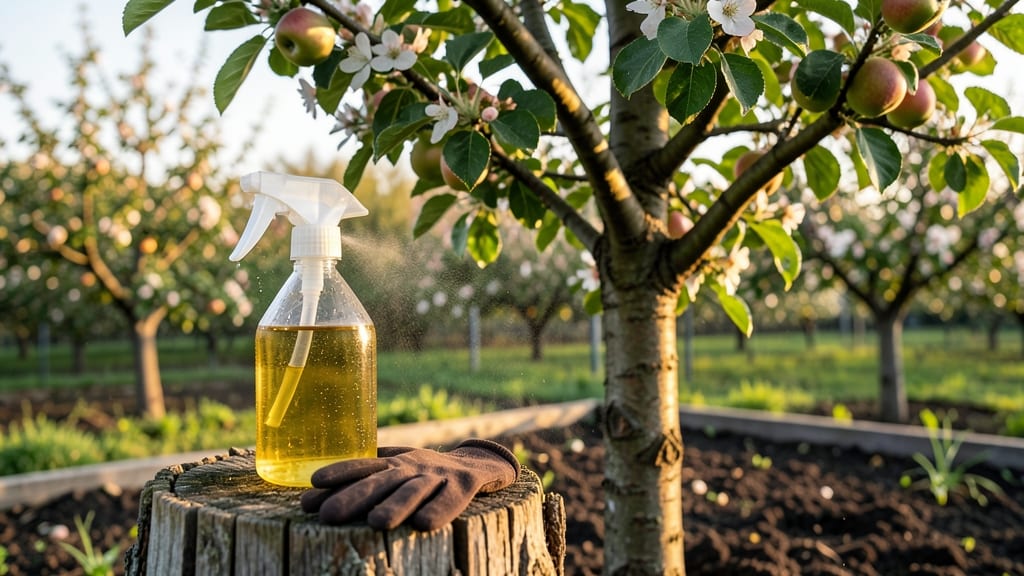
That fruit tree oil spray saved my peach tree last summer when aphids and fungus threatened to ruin the harvest. 🌱 The secret weapon? A simple neem oil blend that smothers pests on contact while preventing fungal spores from taking hold—no harsh chemicals, just plant-safe protection.
You’ll need just three ingredients: neem oil, a mild soap (like castile), and water. The soap helps the oil stick to leaves, while the neem disrupts pests’ life cycles. Mix it in a spray bottle, and you’re ready to apply—just avoid spraying when bees are active or during extreme heat.
Within a week, you’ll see fewer pests and healthier foliage. The spray works on apples, citrus, and stone fruits too, making it a versatile addition to your organic toolkit. Just time your applications right: early morning or late evening, on calm days.
For best results, apply every 7–10 days during active pest seasons. And here’s the kicker: this spray won’t harm beneficial insects if used correctly—just skip it when flowers are open to protect pollinators.
📚 In This Guide
- What you need
- Instructions
- Tips and common mistakes
- Wrapping up and next steps
What you need
- ● Neem oil (100% cold-pressed, organic preferred): 1 tablespoon
- ● Water (distilled or dechlorinated): 1 quart (32 oz)
- ● Dish soap (unscented, biodegradable): ½ teaspoon (helps as a surfactant)
- ● Spray bottle (16-32 oz, with a fine mist nozzle): 1 (or a pump sprayer for larger trees)
- ● Measuring spoons and cups: For precise mixing (a kitchen scale works too!)
- ● Stirring stick or spoon: Wooden or plastic to avoid metal reactions
- ○ Gloves (nitrile or rubber): Optional but recommended for sensitive skin
- ○ Protective eyewear: Optional, especially if spraying near your face
- ○ Garlic or essential oils (optional): 5-10 drops (e.g., clove or peppermint) for extra pest-repelling power
- ● Label and marker: To tag your spray bottle with the date and contents
Step-by-step instructions for making fruit tree oil spray
Here's how I make a simple, effective neem-based spray that keeps pests and fungus at bay.
🌿 Step 1: Gather Your Materials
You'll need 1 quart of water, 1 tablespoon neem oil, 1 teaspoon mild liquid soap, and a spray bottle. The soap helps the oil mix with water and stick to pests. I always use a glass or plastic spray bottle—metal can react with the ingredients over time.
Measure everything carefully. Too much soap can harm your tree, while too little neem oil weakens its effectiveness. If you're treating a large tree, double the recipe but keep the same ratios—1 tablespoon neem oil to 1 teaspoon soap per quart of water.
💧 Step 2: Mix the Solution
Fill your spray bottle with 1 quart of lukewarm water. Add the 1 tablespoon neem oil first, then swirl gently to break it up. Next, add the 1 teaspoon mild liquid soap and shake vigorously for 30 seconds. The mixture should look slightly cloudy but not foamy.
Let it sit for 5 minutes—this helps the oil and soap fully blend. Shake again before each use, as the oil may separate. I like to test a small leaf first to ensure the spray doesn’t cause any irritation. If the leaf looks dry or discolored after 24 hours, dilute the mixture with a little more water.
☀️ Step 3: Apply at the Right Time
Spray your fruit tree early in the morning or late afternoon when temperatures are below 85°F. Avoid spraying in direct sunlight or when rain is forecast within 24 hours, as the spray needs time to work. Focus on the undersides of leaves, where pests like aphids and mites hide, as well as the trunk and branches.
Shake the bottle well before each use and hold it 12 inches away from the tree to ensure even coverage. Apply until the leaves are lightly damp but not dripping. Repeat every 7-10 days or after heavy rain to maintain protection. You’ll notice fewer pests and healthier foliage within 2-3 weeks of consistent use.
✂️ Step 4: Store and Reuse
Store any leftover spray in a cool, dark place for up to 2 weeks. Label the bottle clearly—neem oil spray is non-toxic but can stain surfaces. If the mixture separates, shake it well before reuse. I make fresh batches every couple of weeks to ensure maximum potency.
For stubborn infestations, apply the spray twice a week for 2 weeks, then switch to a weekly maintenance schedule. Always wear gloves when handling neem oil, as it can irritate skin. Your trees will thank you with fewer pests and stronger growth!
Tips & tricks for perfect fruit tree oil spray
Confession: I wasted my first batch of neem spray because I skipped these key details—don't make my mistake!
Mixing Technique: The 30-second vigorous shake is non-negotiable—it emulsifies the neem oil properly. I use a glass spray bottle (never metal) because the soap can react with metal over time. After shaking, let it sit for those 5 minutes—this resting period actually makes the spray more effective by allowing the oil to fully disperse in the water.
Testing Before Full Application: Always test on a small leaf first! I learned this the hard way when my first batch caused brown spots on my lemon tree. Wait 24 hours before deciding if it's safe to use—if the leaf looks fine, you're good to go. This simple test prevents potential damage to your entire tree.
Application Timing: The 85°F temperature limit is crucial—spraying in hotter conditions can burn leaves. I aim for early morning applications because the dew helps the spray adhere better. Also, focus on undersides of leaves where pests hide—this is where most infestations start.
Storage Wisdom: Store leftovers in a cool, dark place for up to 2 weeks, but I recommend making fresh batches every couple of weeks for maximum potency. The neem oil breaks down over time, so freshness matters. Always shake well before use—the oil will naturally separate, but a good shake brings it back together.
Pro Tips for Fruit Tree Oil Spray
- Confession: I wasted my first batch of neem spray because I skipped these key details—don't make my mistake!
- Mixing Technique: The 30-second vigorous shake is non-negotiable—it emulsifies the neem oil properly. I use a glass s...
- Testing Before Full Application: Always test on a small leaf first! I learned this the hard way when my first batch c...
Frequently asked questions
Got questions about using fruit tree oil spray?
Here are some of the most common concerns—plus quick, actionable answers to keep your trees thriving!
How often should I apply fruit tree oil spray?
Apply neem oil spray every 7–14 days during active pest seasons (spring to early fall). For fungal issues, use it preventively every 2–3 weeks or after rain. Always follow up after heavy downpours or irrigation to maintain coverage. Pro tip: Early morning or late evening applications reduce sunburn risk on leaves!
When is the best time of year to start?
Start treatments in early spring (before buds break) to prevent overwintering pests like aphids and mites. Continue through late summer to protect against fungal diseases. Avoid spraying when trees are flowering—neem oil can harm pollinators. Timing tip: Check your local frost dates for optimal scheduling!
Can I use fruit tree oil spray on edible fruit?
Yes! Neem oil is organic and safe for edible fruit when used correctly. Wait 24–48 hours after spraying before harvesting to ensure residue settles. Always follow label instructions for food-safe products. Safety note: Avoid direct contact with honeybees during bloom.
What if my tree’s pests return after treatment?
Persistent pests may indicate resistance or improper application. Try these fixes:
- Rotate sprays: Alternate with insecticidal soap or horticultural oil.
- Reapply thoroughly: Ensure full coverage of both leaves and stems.
- Check for hidden pests: Inspect undersides of leaves for eggs or larvae.
Are there DIY alternatives to fruit tree oil spray?
Mix these natural alternatives for pest control:
Solution
How to Use
Garlic spray
Blend 1 chopped garlic bulb + 1 tsp cayenne + 1 quart water. Strain and spray.
Soap spray
Dilute 1 tbsp mild castile soap in 1 quart water. Test on a small leaf first!
Chili pepper spray
Steep 2 tbsp crushed peppers in 1 quart hot water for 24 hours. Strain and apply.
Wrapping up and next steps
Fruit Tree Oil Spray isn’t just another DIY remedy—it’s a game-changer for keeping your fruit trees thriving without harsh chemicals. 🌿 Whether you’re battling aphids, fungus, or mites, this neem-based solution is safe, effective, and easy to make with ingredients you likely already have. By following the steps and tips shared, you’ll protect your trees naturally while promoting long-term health.
Ready to give your orchard the care it deserves? Grab your spray bottle and get started today! Your trees—and future harvests—will thank you. 🍎✨