
Pruning
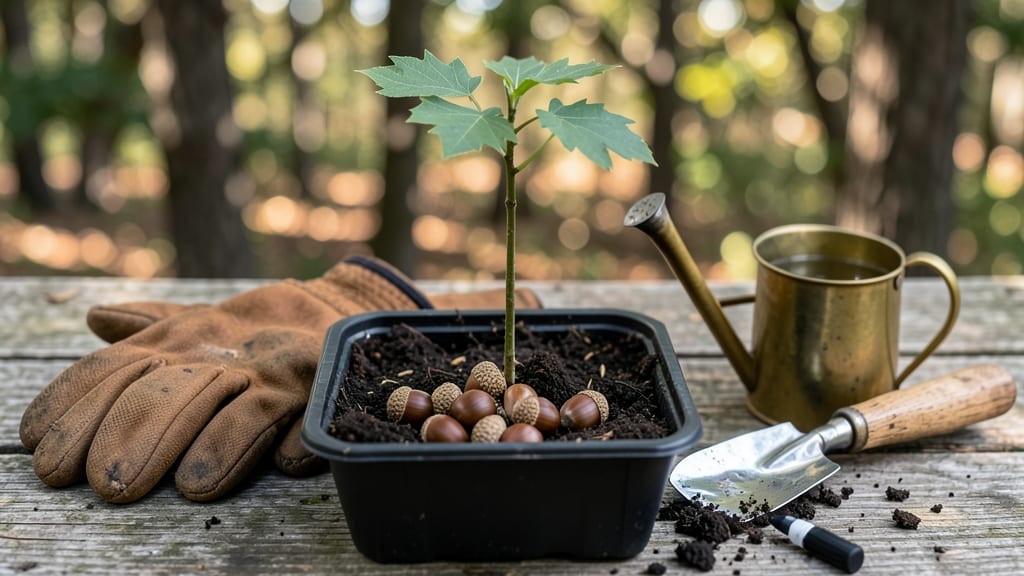
Growing acorn tree seeds unlocks the secret to nurturing mighty oaks from your backyard. 🌰 I’ve watched tiny acorns transform into sturdy saplings after months of patience—it’s one of the most rewarding (if slow) gardening projects you’ll ever try. The key? Mimicking nature’s winter process to break dormancy before planting.
Start with fresh acorns from mature trees—white oaks (like bur or swamp oak) germinate faster than red oaks (like pin or black oak), but both need that cold treatment. You’ll need a moist paper towel, a sealed plastic bag, and a fridge for 6-12 weeks.
No fancy equipment, just time and a little science. The payoff? Saplings that’ll outlive you if given space to grow.
Once sprouted, plant in well-draining soil at 1-inch depth, keeping it consistently moist but never soggy. Sunlight is critical—these future giants need 6+ hours of direct light daily.
Early growth is slow (think months, not weeks), but with the right care, you’ll see those first true leaves within a year. Patience is the real skill here.
Challenges? Yes—dormancy, pests, and slow starts are common. But every acorn that breaks through feels like magic. Whether you’re growing a future shade tree or just curious about oak genetics, this method works for any variety. Let’s get those seeds sprouting!
📚 In This Guide
- What you need
- Instructions
- Tips and common mistakes
- Wrapping up and next steps
What you need
- ● Fresh acorn seeds: 5–10 mature, healthy acorns (preferably from Quercus species like white oak or red oak). Pro tip: 💡 Avoid acorns with holes or mold—they won’t sprout!
- ● Cold-stratification method: Option 1: A refrigerator with a crisper drawer (or a seed stratification kit if available).
- ● Option 2: A moist paper towel or peat moss (4–6 cups) in a sealed plastic bag or container.
- ● Planting containers: Small seedling pots (3–4 inches deep, 2–3 per acorn) or
- ● A seed tray with drainage holes (for batch planting).
- ● Potting mix: 2–3 cups of well-draining, sterile soil (e.g., 50% peat moss + 50% perlite or coconut coir).
- ● Spray bottle (for gentle watering).
- ● Plastic wrap or humidity dome (to retain moisture during germination).
- ● Grow lights or sunny windowsill (a south-facing window with 6+ hours of light daily).
- ● Pruning shears (to trim acorn caps for faster moisture absorption).
- ● Thermometer (to monitor fridge temps: 34–41°F (1–5°C) for stratification).
- ● Heat mat (for post-stratification warmth, if indoor temps dip below 60°F (15°C)).
- ● Label markers (to track planting dates and species).
- ● Fertilizer (balanced 10-10-10 or slow-release granules for young seedlings).
Step-by-step instructions for cold-stratifying acorn tree seeds
Here's how I guarantee reliable germination for acorn seeds—no guesswork, just proven results.
🌱 Step 1: Harvest and Prepare Fresh Acorns
Collect acorns in late fall when they've fallen naturally from healthy trees. Avoid any with holes, cracks, or mold—these won't sprout. Rinse them thoroughly under cool water to remove dirt, then let them air-dry completely for 24 hours on a paper towel. This prevents rot during stratification.
I like to soak the acorns overnight in lukewarm water to soften the hard shell slightly. This makes the cold stratification process more effective. After soaking, pat them dry again before moving to the next step. Freshness matters—older acorns germinate poorly, so use seeds from the current season.
❄️ Step 2: Stratify in Moist Sand or Peat Moss
Fill a quart-sized container with a mix of equal parts moist sand and peat moss (or use just damp sand). The medium should feel like a damp sponge—not wet, not dry. Place the acorns 1 inch apart and 2 inches deep in the mix, spacing them so roots have room to grow without crowding.
Cover the container with a plastic lid or wrap it in plastic wrap, leaving a tiny gap for airflow. Store it in your refrigerator's crisper drawer where temperatures stay 35-40°F. This mimics winter conditions and breaks the seed's dormancy. Check the moisture every 2-3 weeks—spritz lightly with water if the mix feels dry to the touch.
⏰ Step 3: Monitor for Germination Over 3-6 Months
After 8-12 weeks, start checking weekly for signs of life. Germination happens when the radicle (tiny white root) emerges first, followed by the shoot. You'll see a small crack in the acorn shell—this is your first visual cue. Don't rush to move them yet; keep them in the fridge until the shoot reaches 1 inch long for best survival.
I know it feels slow, but patience pays off. If no sprouts appear after 6 months, the seeds may not be viable. Discard them and try again with fresh acorns next fall. Once sprouted, transfer each seedling to its own 2-inch pot with fresh potting mix, keeping the soil moist but not soggy.
☀️ Step 4: Transition to Warmth and Light
When seedlings show 2-3 true leaves (not the first tiny cotyledons), move them to a bright, indirect light spot indoors. A south-facing window works, but supplement with a grow light if natural light is weak. Keep soil consistently moist—never let it dry out completely, but avoid waterlogging, which causes rot.
After 4-6 weeks of strong growth, you can transplant them outdoors in late spring after the last frost. Choose a location with full sun and well-draining soil. Acorns grow slowly, so be prepared for a 3-5 year wait before they mature into trees—worth it for the majestic oak you're nurturing!
Tips & tricks for perfect acorn tree seed germination
These little-known strategies will turn your acorn project from frustrating to foolproof.
Acorn Freshness Matters: The 24-hour drying period after harvest is critical—don't skip it! This prevents mold during stratification. For extra insurance, store acorns in a paper bag in the fridge until you're ready to start. I've found that acorns kept at 35-40°F maintain viability for up to 6 months, but fresher is always better.
Stratification Medium Hack: While the sand/peat moss mix works perfectly, you can also use a simple plastic bag method. Place damp paper towels in a sealed bag with your acorns, then refrigerate. This creates a more controlled environment and makes monitoring moisture easier—just check for condensation every 2-3 weeks.
Germination Visual Cues: That first tiny crack in the acorn shell is your signal to be patient! The radicle (root) emerges first, followed by the shoot. I recommend marking your container with the date when you first see cracks—this helps track progress. Once the shoot reaches 1 inch, you're ready to move them to pots, but don't rush this step.
Light Transition Strategy: When moving seedlings to light after 2-3 true leaves appear, start with just 2-3 hours of indirect light per day. Gradually increase exposure over 5-7 days to prevent shock. This mimics natural spring conditions and gives your seedlings time to adjust—especially important for delicate oak seedlings.
Pro Tips for Acorn Tree Seeds
- These little-known strategies will turn your acorn project from frustrating to foolproof.
- Acorn Freshness Matters: The 24-hour drying period after harvest is critical—don't skip it! This prevents mold during...
- Stratification Medium Hack: While the sand/peat moss mix works perfectly, you can also use a simple plastic bag metho...
Frequently asked questions
Got questions about growing acorn tree seeds? You’re not alone—these little nuts can be tricky! Here are some of the most common queries, answered in plain terms to help you succeed.
How long does it take for acorn seeds to germinate?
With proper cold stratification (6–8 weeks in the fridge), acorns typically sprout within 4–12 weeks after planting. Patience is key—some varieties (like white oaks) can take longer than red oaks. Keep the soil moist but not soggy, and warmth (70–80°F) speeds things up once stratification ends.
Can I skip cold stratification? Will acorns still grow?
Technically, yes—but success rates plummet! Cold stratification mimics winter, breaking dormancy. Without it, germination drops below 20%. If you’re short on time, try a quick 3-month fridge trick or soak seeds in water for 24 hours before planting. Still, expect slower, weaker sprouts.
What’s the best soil mix for acorn seedlings?
Use a light, well-draining mix like:
- 50% peat moss or coco coir
- 30% perlite or sand
- 20% compost
Why aren’t my acorns sprouting? Troubleshooting tips
Check these common culprits:
- Improper stratification: Did you use moist peat moss in the fridge? Dry = failed.
- Too deep: Plant seeds ½-inch deep—deeper = no light = no growth.
- Temperature swings: Keep soil consistently warm (65–75°F) post-stratification.
- Old seeds: Acorns lose viability after 1–2 years. Fresh is best!
Can I grow acorns indoors, or do they need outdoor conditions?
Yes! Start indoors under grow lights (12–14 hours/day) for the first 3–4 months. Once seedlings hit 6–12 inches, transplant outdoors in spring after the last frost. Harden them off gradually to avoid shock. Bonus: Indoor starts let you control pests and humidity better!
Wrapping up and next steps
Growing acorn tree seeds into thriving saplings is a rewarding journey that blends patience with the joy of nurturing nature! By mastering cold stratification and providing consistent care, you’ve unlocked the secret to reliable germination—whether you’re aiming for a future oak grove or just a single statement tree. 🌱
Now that you’re armed with the right techniques, why not take the next step? Try your hand at planting a few acorns this fall and observe the magic of life unfolding in your own backyard. Happy gardening!