
Pruning
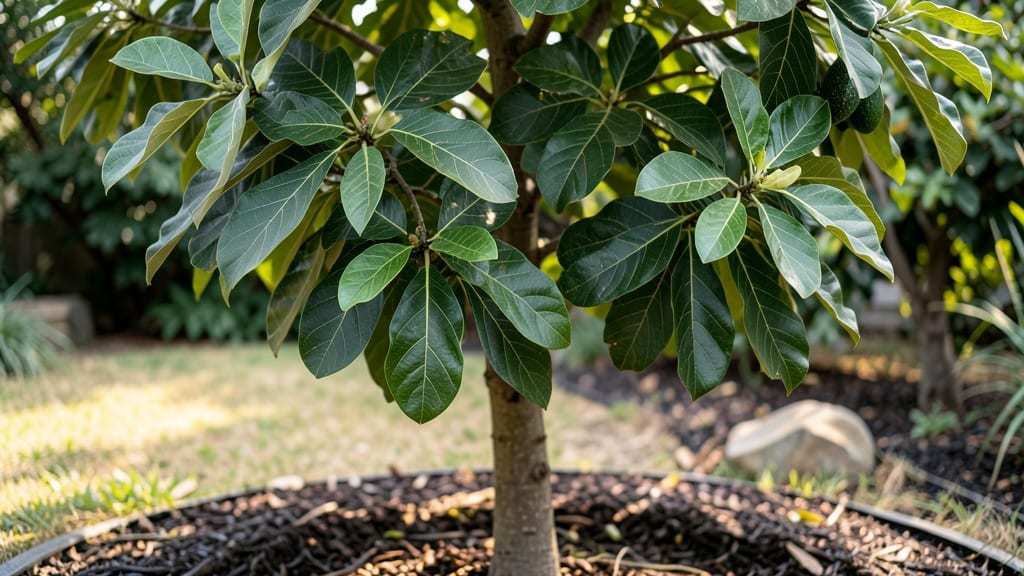
Your avocado tree leaf identification is the first step to unlocking its health secrets—those whispering leaves hold clues about what’s thriving (or struggling) beneath. 🌿 That glossy green leaf you’re staring at might actually be signaling trouble, and knowing the difference between normal aging and disease could save your tree from decline.
The first step is understanding what healthy leaves look like so you can spot deviations early.
Start by comparing your leaves to a reference: healthy avocado leaves are deep green, leathery to the touch, and 8-16 inches long, with smooth edges and no visible damage. Yellowing along the veins?
That’s often a nutrient deficiency. Tiny black spots? Possible fungal infection. Curling edges? Could mean pests or underwatering. Each symptom tells a different story, and catching it early means simpler fixes.
Once you’ve identified the issue, the next step is straightforward: adjust care or treat accordingly. Nutrient deficiencies? A balanced fertilizer fixes it. Fungal spots? Neem oil or copper spray can help.
Pests? A strong spray of water or insecticidal soap often does the trick. The key is acting before the problem spreads—your tree’s health depends on it.
This guide covers the most common leaf conditions, with clear visual comparisons and actionable solutions. Whether you’re dealing with a young tree or a mature one, these tips will help you keep your avocado thriving. Let’s get those leaves looking their best again.
Root Causes Behind Leaf Changes
Understanding why your avocado tree’s leaves change—whether they’re curling, yellowing, spotting, or dropping—starts with identifying the underlying stressors. Avocado trees (Persea americana) are sensitive to environmental and biological factors, and their leaves act as early warning signs.
Below are the most common why it happens scenarios, broken down by cause.
Avocado trees thrive in USDA Hardiness Zones 9-11, but even within this range, extreme or sudden shifts can trigger leaf issues.
🔥 Heat or Cold Damage
- Why it happens: Avocados are tropical and cannot tolerate frost (below 28°F/-2°C).
Even mild cold snaps (30-35°F/1-4°C) cause chilling injury, leading to: - Brown, crispy leaf edges (like paper burning). - Premature leaf drop (tree "sheds" damaged foliage). - Stunted growth (new leaves may appear small or distorted). - Heat stress (above 95°F/35°C) causes: - Yellowing between veins (chlorosis from protein breakdown). - Wilting (leaves droop midday but recover at night). - Actionable fix: Mulch heavily in winter, use frost cloths, and provide afternoon shade in extreme heat.
☔️ Water-Related Problems
- Overwatering:
- Symptoms: Yellowing leaves with blackened roots (root rot from Phytophthora fungus). Leaves may appear waterlogged or develop brown spots.
- Why it happens: Avocados hate "wet feet."
Poor drainage or overzealous watering creates anaerobic soil, suffocating roots. - Underwatering: - Symptoms: Curling, dry edges, and premature leaf drop. Leaves may feel crispy to the touch. - Why it happens: Avocados need consistent moisture (1-1.5 inches/week in summer).
Drought stress forces the tree to conserve water by shedding leaves. - Actionable fix: Test soil moisture 2 inches deep before watering. Use drip irrigation to avoid wetting foliage (which spreads disease).
Pests and pathogens love avocado trees—especially stressed ones. Here’s how they attack:
🐛 Pests That Munch Leaves
- **Avocado Lace Bug (Tegocoris spp.):
- Why it happens: These tiny, white bugs pierce leaves to suck sap, leaving stippled yellow/white patterns (like lace).
Heavy infestations cause leaf drop. - Red flag: Black fecal spots on leaves (their "poop"). - Avocado Thrips (Scirtothrips spp.): - Why it happens: These slender, yellow pests scrape leaf surfaces, causing silver streaks and scarring.
Leaves may cup upward. - Bonus damage: They spread viral diseases** like Avocado Sunblotch. - Actionable fix: Spray with neem oil (daily for 5 days) or introduce ladybugs (natural predators). Prune heavily infested leaves and destroy them.
🍄 Fungal and Bacterial Infections
- **Root Rot (Phytophthora spp.):
- Why it happens: Waterlogged soil + poor drainage = fungal invasion.
Roots blacken and mushy, cutting off water/nutrient flow. - Leaf symptoms: Yellowing from bottom-up, wilted leaves, and premature fruit drop. - Avocado Scab (Elsinoë spp.): - Why it happens: Humid, rainy conditions (70%+ humidity) trigger this fungus, causing raised, corky brown spots on leaves. - Leaf symptoms: Distorted growth (new leaves may be puckered). - Actionable fix: - Fungicides: Copper-based sprays (for scab) or phosphite treatments (for root rot). - Prevent: Space trees for airflow, avoid overhead watering, and sterilize pruners with rubbing alcohol.
Avocados are heavy feeders, and poor soil leads to tell-tale leaf symptoms:
| Deficiency | Leaf Symptoms | Why It Happens | Fix |
|---|---|---|---|
| Nitrogen (N) | Pale green/yellow leaves (oldest first) | Soil lacks organic matter or microbes. | Apply compost or blood meal. |
| Magnesium (Mg) | Yellow patches between veins (new leaves first) | Alkaline soil (pH >7.5) locks it out. | Use Epsom salt (1 tbsp/gallon water). |
| Potassium (K) | Brown leaf edges (like "scorching") | Overwatering flushes it out. | Use greensand or banana peel tea. |
| Iron (Fe) | Yellow leaves with green veins (young leaves) | Calcium buildup blocks uptake. | Chelated iron spray + lower pH. |
- Pro tip: 💡 Test your soil (pH should be 6.0-7.0). Avocados hate compacted or salty soil—amend with perlite and compost.
Sometimes, human error is the real culprit:
- Over-Pruning:
- Fix: Prune only in late winter/early spring and never remove more than 25% in one session.
Final Note: 🎯 Act fast—most leaf issues are reversible if caught early. Start with water, pests, and soil tests before assuming disease. Your avocado tree’s leaves are talking**—listen closely!
Quick Fixes for Leaf Issues
When your avocado tree’s leaves start telling a different story—whether it’s yellowing, curling, or spotted—acting fast can make all the difference. Below, we’ve mapped common leaf problems to practical solutions, along with prevention tips to keep your tree thriving. Think of this as your avocado tree’s first-aid kit!
Cause: Too much water, lack of nitrogen, or poor drainage. Fix It:
- 🔥 Check the soil moisture – Stick your finger 2 inches deep. If damp, hold off on watering. Avocado trees prefer dry, well-draining soil.
- 🍳 Feed with nitrogen – Use a balanced fertilizer (like 10-10-10) or compost. Apply in early spring for a growth boost.
- 👨🍳 Improve drainage – Mix in perlite or sand if your soil is heavy clay. Elevate pots to prevent waterlogging.
Prevention Tips: ✨ Water deeply but infrequently – Let the top 3 inches of soil dry out between waterings. ✨ Mulch around the base – Use wood chips to retain moisture and prevent root rot.
Cause: Spider mites, aphids, or environmental stress (wind, sunburn). Fix It:
- 🔪 Inspect leaves closely – Look for tiny webs (mites) or sticky residue (aphids). Use a magnifying glass if needed.
- 🥘 Blast pests off – Spray leaves with neem oil (1 tsp per quart of water) or a soapy water solution (1 tbsp mild soap per gallon).
- 🌡️ Shield from harsh conditions – Move potted trees away from direct afternoon sun or strong winds. Use shade cloth if outdoors.
Prevention Tips: 💡 Encourage beneficial insects – Ladybugs and lacewings love munching on pests. Plant marigolds nearby! 🎯 Prune for airflow – Thin out dense foliage to reduce humidity pockets where pests love to hide.
Cause: Overwatering, high humidity, or fungal spores. Fix It:
- ⏰ Prune infected leaves immediately – Snip off spotted leaves with sterilized pruners (wipe with rubbing alcohol).
- 🌡️ Improve air circulation – Space trees 6–10 feet apart if planted outdoors. Use a fan on potted trees for 10 mins/day.
- 💊 Apply fungicide – Use copper fungicide or a baking soda spray (1 tsp baking soda + 1 quart water + a drop of soap).
Prevention Tips: ✨ Water at the base, not overhead – Wet leaves invite fungi. Use a drip irrigation system if possible. ✨ Sterilize tools – Clean pruners and pots with bleach water (1 part bleach to 9 parts water) between uses.
Cause: Root rot, compacted soil, or drought stress. Fix It: - 🔥 Test root health – Gently dig around the roots. Black/mushy roots? You’ve got rot. Dry and brittle? It’s thirsty. - 👨🍳 Repot if needed – Use a well-draining mix (cactus soil + perlite).
Add mycorrhizal fungi to boost root growth. - 🥘 Adjust watering – If roots are dry, soak the soil for 10–15 mins. If rot is suspected, let the soil dry completely between waterings.
Prevention Tips: 💡 Use raised beds or containers – If your soil is naturally soggy, elevate the tree. 🎯 Monitor soil pH – Avocados prefer slightly acidic soil (6.0–7.0). Test with a kit and amend if needed.
No matter the issue, consistency is key. Avocado trees are resilient but hate neglect.
Here’s your quick checklist: - Water: Deep but rare (1–2 times/week, adjust for climate). - Sun: Morning sun + afternoon shade (especially in hot zones). - Soil: Fast-draining, rich in organic matter. - Prune: Remove dead/diseased leaves every 2–3 months.
Pro Tip: 📸 Snap photos of symptoms before treating—it helps diagnose issues faster next time!
Frequently asked questions
How can I tell if my avocado tree leaves are healthy?
Healthy avocado leaves should be deep green, leathery, and 8-16 inches long with smooth edges. They should feel firm to the touch and have no visible spots, holes, or discoloration. Check the undersides too—pests often hide there!
What do yellow leaves on an avocado tree mean?
Yellowing leaves often signal nutrient deficiencies (like nitrogen or magnesium) or overwatering. If yellowing starts on older leaves, it’s likely nitrogen. If new leaves yellow between veins, it’s probably magnesium. Always check soil moisture first!
Are brown spots on leaves normal?
No, brown spots are never normal and usually mean fungal infection (like avocado scab) or pest damage. Remove infected leaves immediately and improve airflow around the tree. Copper fungicide or neem oil can help prevent spread.
Can I use regular houseplant fertilizer on my avocado tree?
Not ideal! Avocado trees need balanced, citrus-friendly fertilizer with low nitrogen (like 6-6-6 or 8-3-9). Over-fertilizing causes leaf burn. Test soil first—avocados prefer slightly acidic soil (pH 6.0-7.0).
Why are my avocado leaves curling?
Curling leaves usually mean underwatering, pests (like lace bugs), or heat stress. Check soil moisture first. If dry, water deeply. For pests, spray with neem oil. Move potted trees to afternoon shade if temperatures exceed 95°F/35°C.