Pruning
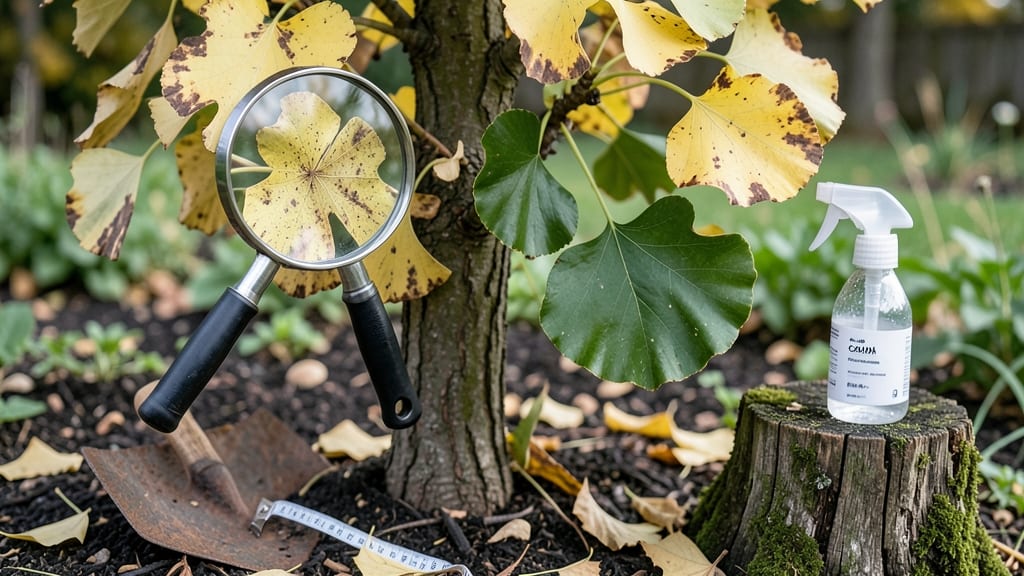
Your ginkgo tree’s leaf problems shouldn’t look like autumn arrived early. 🌿 Yellowing, browning, or drooping foliage is usually the tree’s way of saying something’s off—whether it’s a fungal infection, pests, or stress from heat or water.
I’ve seen ginkgos go from lush green to sad and sparse in just weeks, but the good news is most issues are fixable with the right approach.
The most common culprits are anthracnose (a fungal disease that causes dark spots and yellowing), nutrient deficiencies (like iron or magnesium), or pests like spider mites. Environmental stressors—like sudden drought or scorching summer sun—can also trigger leaf problems.
The key is identifying the root cause early, because once the leaves start dropping, the tree’s health takes a hit.
You’ll learn how to diagnose the issue by examining leaf patterns, then treat it with organic sprays (for fungi) or neem oil (for pests), plus long-term care to keep your ginkgo thriving.
By the end, your tree will be back to its bold, healthy green—and you’ll know exactly what to watch for next time.
Works for both young ginkgos and mature trees, whether you’re dealing with a single branch or widespread damage. Let’s get those leaves looking vibrant again.
Root Causes Of Leaf Stress
Understanding why your ginkgo tree’s leaves turn yellow, wilt, or fall prematurely starts with identifying the underlying stressors disrupting its natural resilience. Ginkgo trees (Ginkgo biloba) are hardy but not invincible—when their needs aren’t met, their leaves signal distress through visible symptoms.
Below, we break down the most common culprits behind leaf problems, rooted in science and actionable insights.
---
Ginkgo trees thrive in well-draining, slightly acidic soil (pH 6.5–7.5), but poor nutrition leads to chlorosis (yellowing) and weak growth. The most critical deficiencies include:
- 💡 Iron (Fe) Deficiency - Why it happens: Iron is essential for chlorophyll production, but high soil pH (alkaline conditions) binds iron, making it unavailable.
Ginkgos in limestone-heavy or clay soils often suffer from this. - Actionable fix: Apply chelated iron supplements (like iron sulfate or EDTA-bound iron) in early spring. Test soil pH—if above 7.0, amend with elemental sulfur to lower it gradually.
- 💡 Nitrogen (N) Shortage - Why it happens: Nitrogen fuels leafy growth. Over-pruning, poor organic matter, or compacted soil starve roots of this nutrient, causing pale yellowing (especially on older leaves). - Actionable fix: Top-dress with compost or a slow-release nitrogen fertilizer (like blood meal or urea) in early spring.
Avoid synthetic spikes—ginkgos prefer steady, natural release.
- 💡 Magnesium (Mg) or Manganese (Mn) Deficits - Why it happens: These micronutrients aid chlorophyll. Over-fertilization with nitrogen (without balancing minerals) or waterlogged soil leaches them away, leading to interveinal yellowing (veins stay green). - Actionable fix: Use Epsom salt (magnesium sulfate) for Mg or manganese sulfate for Mn.
Apply foliar sprays for faster uptake.
---
Ginkgo trees are drought-tolerant but not heat-proof—extreme conditions trigger leaf problems faster than you’d expect.
- 🌡️ Heat Stress & Drought - Why it happens: Prolonged temperatures above 90°F (32°C) or lack of deep watering cause leaf scorch (brown edges) and premature drop.
Ginkgos in urban areas with impermeable pavement suffer most. - Actionable fix: - Water deeply 1–2x/week (1–1.5 inches total) during dry spells—focus on root zones, not just surface wetting. - Mulch heavily (3–4 inches of wood chips) to retain moisture and regulate soil temp. - Avoid overhead watering at noon to prevent fungal risks.
- 💧 Overwatering & Root Rot - Why it happens: Ginkgos hate soggy roots. Poor drainage, clay-heavy soil, or compaction traps water, leading to anaerobic conditions that suffocate roots.
Symptoms include yellowing leaves with a mushy base or wilting despite wet soil. - Actionable fix: - Improve drainage by amending soil with perlite or sand (for containers) or creating a raised bed for in-ground trees. - Ensure proper spacing—ginkgos need 15–20 feet apart to avoid root competition. - If rot is suspected, prune affected roots (sterilize tools!) and apply fungicide (like copper-based sprays).
- 🌀 Wind & Physical Damage - Why it happens: Ginkgos are wind-resistant, but salt spray (coastal areas), de-icing salt (urban trees), or mechanical damage (lawnmowers, trimming too close) strip leaves of moisture, causing brown, crispy edges. - Actionable fix: - Plant windbreaks (like evergreens) if your tree is exposed. - Flush soil with water after salt exposure to dilute residues. - Prune carefully—never cut into the bark collar (the swollen base of branches).
---
Ginkgo trees are pest-resistant, but a few culprits can still wreak havoc on leaves.
- 🐛 Ginkgo Psyllids - Why it happens: These tiny, jumping insects suck sap, causing curled, sticky leaves and black sooty mold (a fungal hitchhiker).
Outbreaks peak in late spring/early summer. - Actionable fix: - Blast off psyllids with a strong hose stream (disrupts their life cycle). - Apply neem oil or insecticidal soap (repeat every 7–10 days). - Remove heavily infested leaves and dispose of them.
- 🍄 Fungal Infections (Anthracnose, Rust) - Why it happens: Overhead watering, humid climates, or wounded branches invite fungi like anthracnose, which causes dark spots with yellow halos on leaves. - Actionable fix: - Prune for airflow—remove dense, inner branches. - Apply copper fungicide at first sign of spots (repeat every 2–3 weeks). - Avoid wetting foliage when watering.
- 🐜 Spider Mites - Why it happens: Drought stress triggers these microscopic pests, which pierce leaves, causing stippling (white/yellow dots) and webbed foliage. - Actionable fix: - Spray leaves with water daily during outbreaks (mites hate humidity). - Use horticultural oil or miticide (like neem oil) for severe cases.
--- Even the hardiest ginkgos suffer when basic care rules are ignored.
- ✂️ Over-Pruning or Wrong Timing - Why it happens: Pruning after mid-summer or removing >25% of foliage at once stresses the tree, leading to yellowing or leaf drop. - Actionable fix: - Prune in late winter/early spring (dormant season). - Never top the tree—it encourages weak, disease-prone growth.
- 🚫 Planting in the Wrong Spot - Why it happens: Ginkgos need full sun (6+ hours/day) and space to spread (30–50 feet at maturity).
Shady or cramped sites lead to stunted, yellowing leaves. - Actionable fix: - Transplant young trees if needed, but do it in early spring. - Avoid planting near large structures that block sunlight.
- 🧴 Chemical Burn from Fertilizers/Pesticides - Why it happens: Over-application of synthetic fertilizers (especially high-salt ones like urea) or pesticide drift causes brown, curled leaves. - Actionable fix: - Use organic, slow-release fertilizers. - Water soil thoroughly before applying chemicals to dilute salts.
--- Before treating, cross-reference symptoms with this quick guide: | Symptom | Likely Cause | First Step | |----------------------|--------------------------------|----------------------------------------| | Yellow between veins | Iron/Manganese deficiency | Soil test + chelated iron spray | | Brown edges | Heat stress/drought | Deep watering + mulch | | Curled, sticky leaves | Psyllid infestation | Hose blast + neem oil | | Spots with yellow halo| Fungal disease (anthracnose) | Copper fungicide + prune for airflow | | Wilting + mushy roots | Overwatering/root rot | Improve drainage + fungicide |
💡 Remember: Ginkgo trees are slow to show stress—act early to prevent permanent damage! If symptoms persist after 4–6 weeks of targeted care, consult
Quick Fixes for Ginkgo Tree Leaf Issues
Revitalizing your ginkgo tree’s leaves starts with identifying the root cause—but once you know the problem, the solutions are often simpler than you’d expect. Below, we break down practical fixes for common ginkgo leaf issues, from yellowing to browning or drooping, along with prevention tips to keep your tree thriving.
Think of this as your troubleshooting guide, complete with step-by-step actions and pro tips to avoid future headaches.
---
Cause: Iron deficiency, poor soil pH, or overwatering.
How to Treat It: - 🔥 Boost Iron Levels – Apply an iron supplement (like iron chelate) to the soil or use a foliar spray. For best results, do this in early spring when new growth begins. - 👨🍳 Adjust Soil pH – Ginkgo trees prefer slightly acidic soil (pH 6.0–7.0). Test your soil with a DIY kit (available at garden centers) and amend with sulfur (to lower pH) or lime (to raise it) as needed. - 🥘 Improve Drainage – If your tree is in clay-heavy or compacted soil, mix in compost or sand to aerate the roots. Avoid soggy soil—ginkgos hate "wet feet."
💡 Prevention Tip: > "Feed your ginkgo in early spring with a balanced fertilizer (10-10-10) to prevent nutrient deficiencies before they start. Mulch around the base (but keep it 3–4 inches away from the trunk) to retain moisture and nutrients."
---
Cause: Underwatering, salt buildup, or environmental stress (like wind or heat).
How to Treat It: - 💦 Water Deeply & Consistently – Ginkgo trees need 1–2 inches of water per week, especially during dry spells. Use a soaker hose to water at the base (not the leaves) to avoid fungal issues. - 🔪 Trim Damaged Leaves – If browning is severe, prune affected branches in late winter or early spring to encourage new growth. - 🌡️ Protect from Harsh Conditions – If your tree is in a windy or sunny spot, consider light shade (especially in afternoon heat) or a windbreak like a fence or shrubs.
✨ Pro Tip: > "If you notice white crusty deposits on the soil, it could be salt buildup from fertilizers or hard water. Flush the soil with water and avoid over-fertilizing."
---
Cause: Root rot, underwatering, or pests/disease (like ginkgo blight).
How to Treat It: - 🚰 Check for Root Rot – If the soil is soggy and the tree feels mushy at the base, you may have root rot. Stop watering immediately and improve drainage by raising the tree’s base with soil or a gravel mound. - 🍳 Rehydrate Gradually – If the tree is just thirsty, water deeply 2–3 times over a week (not all at once—this can shock the roots). - 🔪 Inspect for Pests – Look for aphids, scale, or spider mites on the undersides of leaves. Treat with neem oil or insecticidal soap if needed.
🎯 Prevention Tip: > "Ginkgo trees hate waterlogged soil. If your yard has poor drainage, plant your tree on a slight mound or in a raised bed to prevent future rot."
---
No one wants to play leaf detective every season! Here’s how to keep your ginkgo healthy long-term:
| Issue | Prevention Hack | |---------------------|----------------------| | Yellowing | Mulch annually with compost to retain nutrients. | | Browning | Water at the base, not overhead, to avoid fungal spores. | | Drooping | Avoid heavy clay soil—amend with sand or perlite if needed. | | Pests | Prune in late winter to improve airflow and reduce hiding spots. |
--- Final Thought: Most ginkgo leaf problems are fixable with a little TLC—just water wisely, feed smartly, and prune strategically. Your tree might just be begging for attention (and a good drink of water!). 🌳💦
(Need more help? Check out our ginkgo pruning guide for seasonal care tips!)
Frequently asked questions about ginkgo tree leaf problems
Why are my ginkgo leaves turning yellow between the veins?
This classic symptom usually signals an iron or manganese deficiency, often caused by alkaline soil (pH above 7.0). Ginkgos can't absorb these nutrients when soil is too basic. Test your soil and apply chelated iron or Epsom salt (for magnesium) in early spring. Mulching with compost can also help long-term.
What causes brown, crispy edges on ginkgo leaves?
This is typically heat stress or drought, especially in urban areas with pavement heat. Ginkgos need 1-2 inches of water weekly during dry spells. Water deeply at the base (not leaves) and mulch with 3-4 inches of wood chips to retain moisture. Avoid afternoon watering to prevent fungal risks.
How do I know if my ginkgo has a fungal disease like anthracnose?
Look for dark spots with yellow halos on leaves—this is anthracnose. The fungus thrives in humid conditions and spreads through overhead watering. Prune infected branches immediately and apply copper fungicide every 2-3 weeks. Improve airflow by thinning dense foliage.
Can I save my ginkgo if the leaves are already dropping?
Yes, but act fast! First identify the cause (usually root rot, severe drought, or pests). For root rot, improve drainage by raising the tree's base or adding perlite to clay soil. For drought, water deeply 2-3 times weekly until leaves recover. If pests are the issue, treat with neem oil immediately.
Why do my ginkgo leaves look curled and sticky?
This is likely ginkgo psyllids, tiny jumping insects that suck sap. Blast them off with a strong hose stream first, then apply neem oil or insecticidal soap every 7-10 days. Remove heavily infested leaves and dispose of them. These pests peak in late spring, so monitor your tree closely during that time.