
Pruning
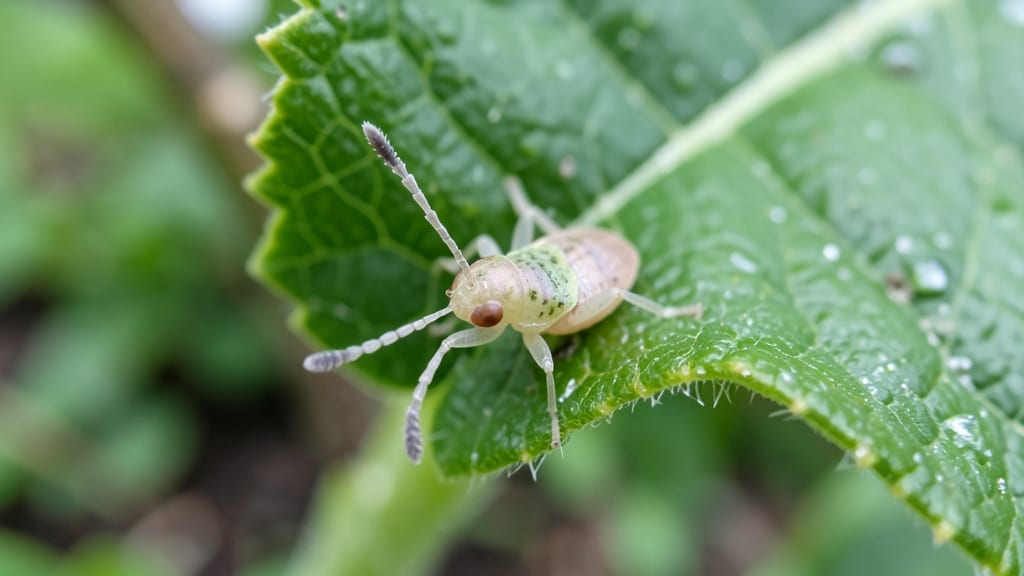
Apple tree leaf bugs turn your once-lush foliage into a sad, spotted mess—until you know how to fight back. 🌿 I’ve battled aphids, mites, and caterpillars that chewed my trees down to skeleton leaves, but these natural fixes saved my harvest every time.
The key is acting fast before the damage spreads beyond repair.
These tiny pests leave telltale signs: yellowing leaves, sticky residue, or tiny holes that look like someone punched them with a pin. Aphids cluster on new growth, mites create fine webbing, and caterpillars leave chewed edges that look like a lawnmower ran through your tree.
The good news? Most of these can be stopped with simple, organic methods—no harsh chemicals needed.
Start with a strong spray of neem oil or insecticidal soap to smother soft-bodied bugs like aphids and mites. For caterpillars, handpick the worst offenders or introduce parasitic wasps (they’re the good guys).
Prune damaged leaves immediately to stop the spread, and keep your tree healthy with proper watering and mulching.
Prevention is the real game-changer: reflective mulch confuses leafhoppers, and beneficial nematodes in the soil keep root pests at bay. Once you spot the first signs, you’ll recognize them instantly—and your tree will stay spotless and thriving all season.
What Triggers These Tiny Invaders
Apple trees are a gardener’s pride—until those tiny, sneaky pests called apple tree leaf bugs (often including species like the apple aphid, leafhopper, or spider mite) start turning vibrant green leaves into a sad, speckled mess.
But why do these critters suddenly show up and wreak havoc? The answer lies in a mix of environmental cues, tree stress, and even human habits. Let’s break down the science behind their unwelcome visits.
Healthy trees naturally repel pests with strong bark, sticky sap, and a robust immune system. But when apple trees are stressed, their defenses drop—making them prime targets. Here’s what weakens them:
- 💧 Water Stress: Overwatering or drought weakens roots, reducing the tree’s ability to fight off invaders. Bugs like aphids thrive in trees that can’t produce enough sap to smother them.
- ✂️ Poor Pruning Practices: Aggressive pruning (especially in late summer or fall) creates entry points for pests. Leafhoppers, for example, love fresh, exposed sap.
- 🌡️ Nutrient Deficiencies: Lack of nitrogen, phosphorus, or micronutrients (like magnesium) stunts growth, making leaves less resilient. Spider mites adore stressed foliage because it’s easier to pierce.
- 🌡️ Temperature Swings: Sudden heatwaves or cold snaps shock trees, disrupting their natural pest-repelling compounds. Bugs detect this weakness and move in.
💡 Pro Tip: Conduct a soil test in early spring to check pH and nutrient levels. Aim for a balanced 6.0–7.0 pH and amend with compost or organic fertilizer to boost tree vigor.
Bugs don’t just appear out of nowhere—they’re drawn to environments where food and shelter are abundant. If your apple tree is part of a larger orchard (or even a backyard with multiple fruit trees), overcrowding creates the perfect pest buffet.
- 🍎 Host Plant Availability: Apple trees in close proximity mean more food sources for bugs like leaf miners or psyllids. A single tree in an open area is less appealing than a cluster.
- 🍂 Debris and Mulch: Piles of fallen leaves, old fruit, or thick mulch provide hiding spots for eggs and adult bugs. Scale insects, for instance, lay eggs in crevices under bark or mulch.
- 🌿 Weedy Understory: Weeds like dandelions or clover attract beneficial insects—but they also lure aphid colonies. These pests then “migrate” to nearby apple trees.
🔥 Action Step: Keep the base of your tree clear by removing fallen fruit, raking up leaf litter, and trimming weeds within a 3-foot radius. This disrupts bug life cycles.
Bugs aren’t random—they follow weather patterns like a recipe. Warm, humid springs and mild winters create ideal conditions for outbreaks. Here’s how climate plays a role:
| Season | Bug Activity | Why It Happens |
|---|---|---|
| 🌸 Spring | Aphids, leafhoppers | Warm temps (60–80°F) trigger egg hatching. Rain washes away natural predators, leaving bugs unchecked. |
| ☀️ Summer | Spider mites, psyllids | Drought stress increases sugar content in leaves, making them more attractive to sap-suckers. |
| 🍂 Fall | Scale insects, overwintering eggs | Cool nights and warm days create perfect conditions for egg-laying. Bugs seek shelter in bark or leaf litter. |
🌡️ Climate Hack: Install a weather station or local pest alert system (like those from your agricultural extension office) to predict outbreaks. For example, if your area gets 3+ consecutive days above 75°F in spring, aphids may surge within 10 days.
Apple trees aren’t just battling bugs—they’re part of a delicate ecosystem. When natural predators (like ladybugs, lacewings, or parasitic wasps) are missing, pest populations explode. Here’s what throws the balance:
- 💀 Pesticide Overuse: Broad-spectrum insecticides kill both pests and their predators. For example, spraying neonicotinoids may eliminate aphids but also wipe out ladybug larvae that eat them.
- 🏡 Urbanization: Lawns and gardens with no wildflowers or diverse plantings lack habitats for beneficial insects. Ground beetles, which eat caterpillars, need mulch and leaf litter to thrive.
- 🌿 Monoculture Planting: Orchards with only apple trees offer no alternative food sources for predators. A mix of herbs, flowers, and companion plants (like yarrow or dill) keeps the food chain diverse.
✨ Eco-Friendly Fix: Plant a “predator garden” nearby with native flowers (e.g., cosmos, alyssum, or fennel) to attract beneficial insects. Even a small patch of clover can support thousands of ladybugs.
Understanding these triggers is the first step to outsmarting apple tree leaf bugs. Once you know why they’re there, you can target solutions—whether it’s boosting tree health, adjusting your garden layout, or luring in nature’s pest control.
Stay tuned for our next section on early signs of infestation and how to catch them before they spread!
Natural Fixes for Leaf Bug Woes
If your apple tree’s leaves are becoming a bug buffet, don’t panic—there are simple, effective ways to reclaim those lush, healthy leaves without harsh chemicals. Below, we’ve mapped out practical solutions tailored to the most common causes of leaf bugs, along with prevention tips to keep your tree thriving long-term.
---
A stressed tree is like an all-you-can-eat buffet for pests. Strengthen your tree’s defenses before battling bugs.
#### 🌱 Step 1: Prune Properly - 🔪 Trim dead/diseased branches in late winter or early spring to improve airflow. - ✂️ Remove overcrowded branches—aim for an open canopy to reduce hiding spots for bugs. - Pro Tip: Sterilize pruners with rubbing alcohol to prevent spreading disease.
#### 💡 Step 2: Feed the Roots - 🌱 Apply compost or organic fertilizer (like fish emulsion or worm castings) in early spring to boost vitality. - 💧 Water deeply but infrequently—drought-stressed trees attract more pests. - Prevention: Mulch around the base (2–3 inches) to retain moisture and deter weeds (which harbor bugs).
#### 🍎 Step 3: Attract Beneficial Predators - 🐞 Ladybugs, lacewings, and parasitic wasps love leaf bugs. Plant dill, fennel, or marigolds nearby to lure them in. - 🌿 Install a small insect hotel (a wooden box with bamboo tubes) to encourage natural pest control.
---
If bugs are already feasting, homemade sprays can knock them back without harming your tree—or you!
#### 🧴 Option 1: Neem Oil Spray (Best for Soft-Bodied Bugs) - 🥄 Mix: 1 tbsp neem oil + 1 tsp mild soap + 1 quart water. - 💦 Spray: Coat leaves under and over (bugs hide on the undersides!).
Reapply every 7–10 days. - Why it works: Disrupts bug life cycles and deters new infestations. - ⚠️ Warning: Apply in early morning or late evening to avoid harming bees.
#### 🍋 Option 2: Garlic & Chili Pepper Spray (Hot for Bugs!) - 🌶️ Blend: 5 garlic cloves + 1 tbsp cayenne pepper + 1 quart water.
Steep overnight, then strain. - 💦 Spray: Directly on bugs and leaves. Reapply after rain. - Bonus: The pungent scent repels aphids, mites, and leaf beetles.
#### 🍯 Option 3: Soap Spray (Quick Knockdown) - 🧼 Mix: 1 tbsp mild liquid soap (like Castile) + 1 quart water. - 💦 Spray: Focus on new growth and leaf undersides. Works fast but may need frequent reapplication.
--- For small infestations, sometimes physical removal is the easiest fix.
#### 🕵️♂️ How to Do It: - 🧤 Wear gloves—some bugs (like leafhoppers) can jump! - 🌿 Shake leaves over a bucket of soapy water to drown them. - 🍃 Prune heavily infested branches and dispose of them in sealed bags (not compost). - Best time: Early morning when bugs are sluggish.
--- An ounce of prevention is worth a pound of cure. Follow these habits to minimize future problems:
- 🌿 Rotate crops if you grow other fruits/veggies nearby—bugs adapt to one host. - 🍂 Clean up fallen leaves in autumn (they harbor overwintering bugs). - 🌱 Plant companion plants like rosemary, thyme, or basil—their scents repel pests. - 🐝 Support pollinators—healthy ecosystems mean fewer pest outbreaks.
--- If your tree is severely damaged (wilting, heavy defoliation, or sap oozing), consult an arborist or organic pest control expert. Some infestations (like woolly aphids) require targeted treatment.
--- Remember: Patience is key—some solutions take 2–4 weeks to show results. Monitor your tree weekly, and adjust your approach as needed. With these methods, your apple tree will be bug-free and flourishing in no time! 🍏🌿
Frequently asked questions
What are the most common apple tree leaf bugs I should watch for?
The top culprits include aphids (tiny green/black clusters), spider mites (tiny yellow specks with webbing), leafhoppers (small green/white bugs that jump), and caterpillars (chewed leaf edges). Each leaves distinct damage—aphids cause curling, mites create stippling, and caterpillars leave ragged holes.
How do I tell if my apple tree has a bug problem or just nutrient deficiency?
Bug damage shows holes, webbing, or sticky residue (aphid "honeydew"), while deficiencies cause uniform yellowing (chlorosis) or stunted growth. Check leaf undersides for tiny bugs or eggs—if you find them, it’s pests, not nutrients. A soil test confirms deficiencies.
Is neem oil safe to use on apple trees before harvest?
Yes, but apply it at least 2 weeks before picking fruit to allow full breakdown. Neem oil is organic and safe for humans, but avoid spraying when bees are active (early morning/evening applications help). For extra safety, use it as a preventive spray in early spring.
Will my apple tree recover if I treat the bugs late in the season?
Partial recovery is possible, but late-season treatment focuses on preventing next year’s infestation. Remove heavily damaged leaves, apply neem oil, and clean up fallen debris. The tree can still produce fruit, but new growth may be vulnerable—plan for early spring prevention.
How do I keep beneficial insects from being killed by my bug sprays?
Use targeted sprays (like neem oil or insecticidal soap) instead of broad-spectrum chemicals. Apply in early morning or late evening when bees are less active, and avoid spraying flowers. Planting companion flowers (like marigolds) also helps beneficial insects find safe habitats.