
Pruning
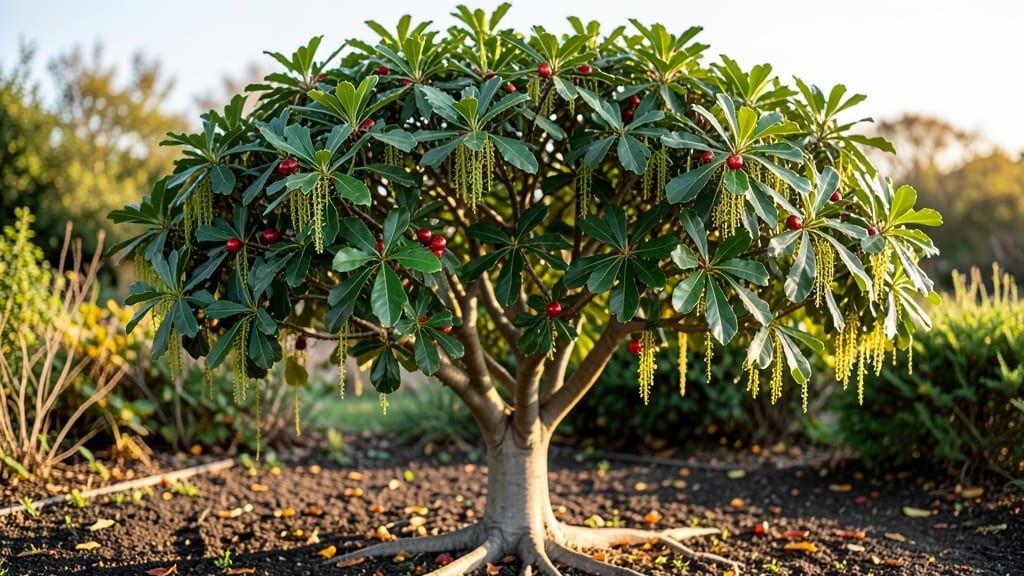
Pruning Chinese tallow trees in Florida isn’t just about shaping branches—it’s about controlling an invasive species that’s already taken over too many backyards. 🌿 I’ve spent years fighting these fast-growing trees, and I’ve learned the pruning techniques that actually slow their spread while keeping your landscape looking intentional.
The key is aggressive pruning in late winter or early spring, right before new growth starts. You’ll need sharp pruners, safety gear, and a plan to remove at least a third of the canopy each year.
Florida’s warm winters mean these trees grow year-round, so regular maintenance is a must—not just for aesthetics, but to prevent them from choking out native plants. What you’ll end up with is a tree that’s less aggressive in your yard, with fewer seed pods spreading to unwanted areas.
The branches will be stronger, the shape more balanced, and your neighbors will stop asking when you’re finally going to "do something" about that tree. But here’s the hard truth: Chinese tallow is invasive in Florida, and pruning alone won’t eradicate it.
If you’re dealing with an established grove, you’ll need to combine pruning with other control methods like herbicide or removal. Let’s talk about how to do it safely and effectively.
📚 In This Guide
- What you need
- Instructions
- Tips and common mistakes
- Wrapping up and next steps
What you need
- ● Pruning shears: Bypass pruners (for small branches, 5–7 inches) – 1 pair.
- ● Loppers: Long-handled (24–36 inches) for medium branches – 1 pair.
- ● Pruning saw: Curved-tooth, 8–10 inches for thick branches (1.5+ inches) – 1 unit.
- ● Disposable gloves: Heavy-duty, cut-resistant – 1–2 pairs.
- ● Disinfectant: 70% isopropyl alcohol or pruning sealant – small bottle.
- ● Heavy-duty trash bags: For debris collection – 2–3 bags.
- ● Ladder: Sturdy, extendable (12–20 ft) – 1 unit (if tree exceeds 8 ft).
- ● Pole saw: For high branches (16–24 ft reach) – 1 unit.
- ● Safety glasses: For eye protection – 1 pair.
- ● Extension cord + electric pruner: For large-scale pruning – 1 set.
- ○ Tree wound dressing: Optional for large cuts – small tube.
Instructions for pruning Chinese tallow trees in Florida
Here’s how I prune these fast-growing trees to keep them healthy, controlled, and stunning year-round.
✂️ Step 1: Identify the Right Time to Prune
Prune Chinese tallow trees in late winter to early spring (February–March) before new growth begins. This timing ensures you remove dead wood while avoiding heavy sap flow. In Florida’s mild climate, you can also do light pruning in late summer (August–September) to shape the tree before the next growth spurt.
Look for three key signals: dormant branches that haven’t leafed out, crossing limbs rubbing together, and any dead or diseased wood. Avoid pruning in fall—it stimulates late-season growth that may not harden off before winter. If you must prune in summer, do it early to minimize stress.
✂️ Step 2: Remove Dead, Diseased, and Crossing Branches
Start by cutting out dead or diseased branches at the branch collar—the swollen area where the branch meets the trunk. Use clean, sharp pruning shears or a pruning saw for thicker branches. Make cuts at a 45-degree angle just outside the branch collar to prevent water from pooling and causing rot.
Next, remove any branches that cross or rub against each other. These create wounds that invite pests and disease. If a branch is too close to another, cut it back to a healthy lateral branch or the trunk. Never leave stubs—this weakens the tree and invites decay. I like to step back after each cut to visualize the tree’s new shape.
✂️ Step 3: Thin the Canopy for Better Airflow
Thin the tree’s canopy by removing 10–20% of the smallest, inner branches to improve airflow and sunlight penetration. Focus on branches growing inward or downward—they compete with stronger, outward-growing branches. Cut these back to a healthy lateral branch or the trunk.
This step is critical for Florida’s humid climate, where poor airflow leads to fungal issues. After thinning, the tree will develop a fuller, more balanced shape. You’ll notice new growth filling in gaps within 4–6 weeks. Avoid over-thinning—too much removal stresses the tree and reduces its ability to support its own weight.
✂️ Step 4: Shape the Tree for Balance and Aesthetics
Step back and assess the tree’s overall shape. Chinese tallow trees grow naturally upright, but pruning can help maintain a pyramidal or rounded form. Use hand pruners to trim back any branches that disrupt the balance. For a more formal look, prune branches to create a gradual taper from the trunk outward.
If the tree is leaning, identify the cause (e.g., uneven light exposure) and prune the heavier side slightly more to encourage upright growth. Avoid heavy pruning on one side—this can create an unnatural, top-heavy look. In Florida’s heat, pruning too aggressively in summer can shock the tree, so save major shaping for winter.
⏰ Step 5: Clean Up and Monitor for Recovery
After pruning, remove all debris from the ground and disinfect your tools with rubbing alcohol to prevent spreading disease. Water the tree deeply to help it recover, especially if you’ve made large cuts. Chinese tallow trees are resilient, but deep cuts (over ½ inch in diameter) may need pruning sealant to prevent decay.
Monitor the tree for new growth within 2–3 weeks. Healthy branches will sprout fresh leaves, while dead or dying branches will remain bare. If you see excessive sap oozing from cuts, it’s a sign of stress—reduce watering slightly until the tree stabilizes. In Florida’s climate, pruned trees often bounce back quickly, especially with proper aftercare.
Tips & tricks for pruning Chinese tallow trees
These pruning secrets will help you transform your Chinese tallow trees into healthy, picturesque specimens that thrive in Florida’s unique climate.
Timing is Everything: The late winter to early spring window (February-March) is ideal because the tree is dormant and sap flow is minimal. In Florida’s warm climate, you can also do light pruning in late summer (August-September) to shape the tree before new growth begins. I’ve learned the hard way that fall pruning can stimulate late-season growth that won’t harden off properly before winter—trust me, you don’t want to deal with that!
Precision Cutting Technique: When removing branches in Step 2, make your cuts at a 45-degree angle just outside the branch collar. This prevents water from pooling and causing rot. I always step back after each cut to visualize the tree’s new shape—it’s amazing how much difference a few strategic cuts can make in just 20 minutes. Never leave stubs, as this creates entry points for pests and disease.
Canopy Thinning Strategy: Removing 10-20% of the smallest, inner branches is crucial for improving airflow in Florida’s humid climate. Focus on branches growing inward or downward—these compete with stronger, outward-growing branches. You’ll notice new growth filling in gaps within 4-6 weeks, creating a fuller, more balanced shape. Remember, over-thinning stresses the tree and reduces its ability to support its own weight.
Recovery Monitoring: After pruning, monitor your tree for new growth within 2-3 weeks. Healthy branches will sprout fresh leaves, while dead branches will remain bare. If you see excessive sap oozing from cuts, it’s a sign of stress—reduce watering slightly until the tree stabilizes. In Florida’s climate, proper aftercare makes all the difference in helping your tree bounce back quickly.
Pro Tips for Chinese Tallow Tree Florida
- These pruning secrets will help you transform your Chinese tallow trees into healthy, picturesque specimens that thri...
- Timing is Everything: The late winter to early spring window (February-March) is ideal because the tree is dormant an...
- Precision Cutting Technique: When removing branches in Step 2, make your cuts at a 45-degree angle just outside the b...
Frequently asked questions
Got questions about managing Chinese tallow trees in Florida? You’re not alone! Here are some of the most common concerns—and expert-backed answers to keep your tree thriving (and your yard hassle-free).
When is the best time to prune a Chinese tallow tree in Florida’s climate?
The ideal window is late winter to early spring (February–March), when the tree is dormant but before new growth sprouts. Avoid pruning in summer’s heat or during hurricane season—both stress the tree. Pro tip: If you must prune in summer, do it early morning to reduce water loss.
How do I tell if my Chinese tallow tree is overpruned or pruned correctly?
Healthy pruning leaves 30–50% of the tree’s canopy intact—never strip it bare! Signs of overpruning include:
- Excessive water sprouts (shoots growing from pruning cuts).
- Yellowing leaves or dieback (dead branches).
- A "haircut" look with no structural branches left.
Can I prune a Chinese tallow tree myself, or should I hire a pro?
Small trees (<15 ft) with easy-to-reach branches? DIY is fine! For larger trees, over 20 ft tall or near power lines, hire a licensed arborist. Chinese tallow wood is brittle—improper cuts can cause splits. Pro tip: Use clean, sharp tools and make cuts at a 45-degree angle just outside the branch collar.
Are there natural alternatives to Chinese tallow trees for Florida landscapes?
Yes! If you’re looking to replace Chinese tallow (an invasive species), consider these native Florida-friendly options:
- Sabal palm – Drought-tolerant and low-maintenance.
- Live oak – Shade-providing and ecologically beneficial.
- Southern magnolia – Fragrant flowers and glossy leaves.
- Gumbo-limbo – Bright red bark and salt-tolerant.
Will pruning my Chinese tallow tree attract pests or diseases?
Pruning correctly (with clean tools and proper cuts) reduces pest/disease risks—but poor techniques can invite trouble. Watch for:
- Scale insects (sticky residue on leaves).
- Fungal infections (black spots or mold).
Wrapping up and next steps
Mastering the art of pruning your Chinese tallow tree in Florida can transform it into a stunning year-round centerpiece—both functional and beautiful! 🌿 With the right tools, timing, and techniques, you’ll keep its growth controlled, its health thriving, and its aesthetic unmatched.
Whether you’re tackling overgrowth or shaping it for seasonal charm, your efforts will pay off in lush, graceful branches.
Ready to take the next step? Start small—pick one pruning session this month and observe the difference. Before you know it, your Chinese tallow tree will be the envy of your neighborhood! 🌟 Happy pruning!