
Pruning
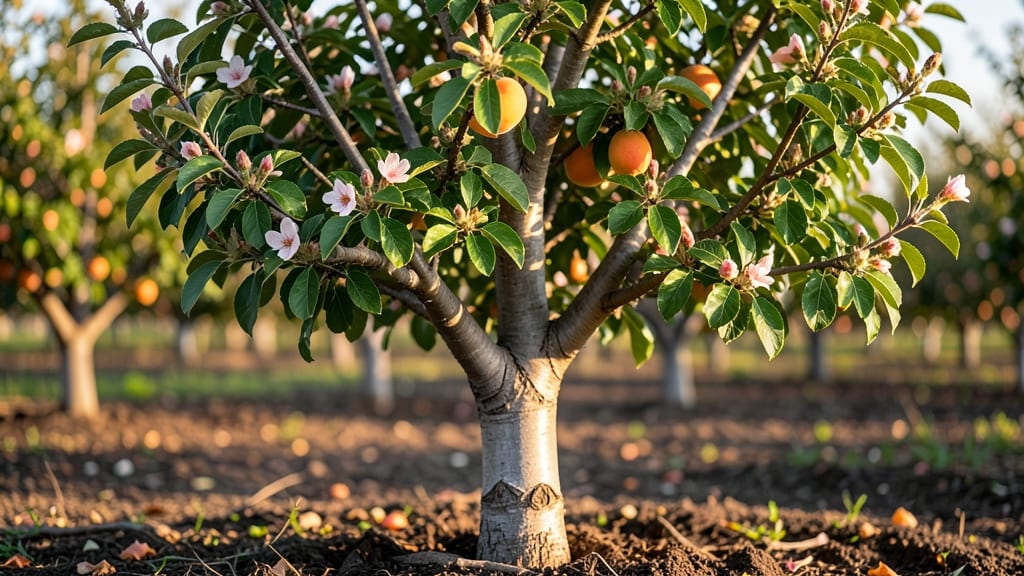
The height of an apricot tree could reach 20 feet tall—or stay compact enough for a small yard, depending on the variety and how you prune it. 🌳 I planted my first tree last spring, and the difference between a wild-growing apricot and a managed one is night and day.
Some varieties like 'Blush' stay under 15 feet, while others like 'Moongold' can tower toward 25 feet if left unchecked.
Growth rate varies by climate too—trees in USDA Zones 5-8 (where apricots thrive) typically grow 12-18 inches per year when young, then slow as they mature. That means your 5-foot sapling could be 10 feet tall in just 5 years if you don't prune it.
The right spacing from fences or buildings is critical: aim for 15-20 feet between trees or structures to avoid future headaches.
With proper pruning, you can keep even large varieties like 'Tilton' under control—my tree now fits neatly in our backyard corner after three years of winter pruning. The key is shaping it young and removing suckers that steal energy from fruit production.
You'll end up with a tree that's both productive and proportional to your space.
Small-space gardeners shouldn't overlook dwarf varieties like 'Goldbar' (10-12 feet tall), which produce fruit without the height. Even in urban areas, with the right variety and care, you can enjoy homegrown apricots without sacrificing yard space. Let's talk about how to manage that growth from day one.
📚 In This Guide
- What you need
- Instructions
- Tips and common mistakes
- Wrapping up and next steps
What you need
- ● Apricot tree sapling or bare-root plant: Choose a variety suited to your USDA Hardiness Zone (e.g., ‘Blush’ for Zones 5-9, ‘Tilton’ for Zones 6-10).
- ● 1-3 years old for best establishment.
- ● Planting supplies: 5-gallon container or bare-root plant (if not potted).
- ● High-quality well-draining soil mix (or native soil amended with compost).
- ● Organic slow-release fertilizer (10-10-10 or similar, 1 lb per tree).
- ● Mulch (2-3 inches of wood chips or straw, keep 6 inches away from trunk).
- ● Pruning tools: Bypass pruners (for cuts < ½ inch thick).
- ● Loppers (for cuts ½–1½ inches thick).
- ● Hand saw (for thicker branches, avoid chain saws unless necessary).
- ● Disinfectant (70% isopropyl alcohol or bleach solution for tool cleaning).
- ● Support & safety: Staking kit (if planting in windy areas, use 2-3 stakes per tree).
- ● Gloves (cut-resistant for pruning).
- ○ Safety glasses (optional but recommended for debris).
- ● Tree growth regulator (e.g., Paclobutrazol to control height in dwarf varieties).
- ● Drip irrigation system (for consistent moisture, especially in dry climates).
- ● Bird netting (to protect fruit from pests like birds or squirrels).
- ● Soil pH tester (ideal range: 6.0–7.0; amend with lime or sulfur if needed).
- ● Tree wound paint (controversial but can help seal large cuts if desired).
Understanding apricot tree height: variety and climate considerations
Apricot trees vary dramatically in size—some stay compact enough for small yards, while others reach towering heights. Here’s how to predict mature size and choose the right variety for your space and climate.
🌳 Step 1: Identify Your Climate Zone and Its Impact on Height
Apricot trees thrive in USDA Hardiness Zones 5-9, but their mature height shifts based on temperature and growing season length. In warmer zones like 8-9, apricots grow faster and often reach their full height quicker—expect 20-30 feet for standard varieties. Cooler zones (5-6) slow growth, resulting in slightly shorter trees (15-25 feet), though they may take longer to fruit.
Microclimates matter too. A tree planted in a sheltered, sunny spot will grow taller than one exposed to wind or frost pockets. Check your last frost date: if it’s late (after April 15), your tree will have more growing season to mature. In northern climates, dwarf varieties (like ‘Goldcot’) rarely exceed 12 feet, while standard trees in ideal conditions can hit 30 feet by maturity.
🌱 Step 2: Compare Varieties by Mature Height
Standard apricot varieties like ‘Blushcot’ or ‘Tilton’ typically reach 20-30 feet, making them better suited for orchards or large properties. For smaller spaces, semi-dwarf varieties (12-18 feet) such as ‘Moonglow’ or ‘Sungold’ strike a balance between productivity and manageability. True dwarf varieties (6-10 feet), like ‘Goldbar’, are rare but ideal for containers or urban yards.
Here’s the rule: the smaller the variety, the more attention it needs. Dwarf trees require thinning, pruning, and support to prevent overcrowding of branches—something standard trees handle naturally. If you’re unsure, opt for a semi-dwarf: they’re easier to manage than full-size trees but still produce abundant fruit.
☀️ Step 3: Account for Pruning and Training for Height Control
Pruning isn’t just for shaping—it’s the primary tool to control apricot tree height. In the first 3 years, aggressive pruning (cutting back 30-50% of new growth) keeps trees under 12 feet if you’re aiming for a compact form. Use the open-center method: remove suckers at the base and crossing branches to encourage an airy structure that resists disease and allows sunlight to reach lower fruit.
For standard trees, prune in late winter (before buds swell) to remove water sprouts and dead wood. Avoid heavy pruning in spring—it stresses the tree when it’s already pushing new growth. If you’re growing in a container, prune annually in early spring to maintain the 6-8 foot height limit most dwarf varieties tolerate.
⏰ Step 4: Plan for Long-Term Height Management
Apricot trees grow 1-2 feet per year in ideal conditions, but their height accelerates after 5 years. To keep a tree under 15 feet, prune annually and thin out central leaders (the main vertical stem). For standard trees, allow one dominant leader and prune side branches to maintain a pyramidal shape, which naturally limits height.
Watch for suckers—shoots growing from the base or graft union. These rob energy from fruit production and can add 3-5 feet of unwanted height if left unchecked. Remove them at the ground level in early spring. In Zone 7 and warmer, apricots may bloom earlier and grow faster, so prune earlier in the season (February) to avoid late frosts damaging new growth.
🌿 Step 5: Adjust for Container Growth (If Applicable)
Dwarf apricot varieties like ‘Goldcot’ can thrive in large containers (20+ gallons), but their height is still influenced by pruning. In pots, roots compete for nutrients, so prune more aggressively to encourage bushier growth rather than vertical shoots. Expect container-grown trees to max out at 8-10 feet even with minimal pruning.
Container trees need well-draining soil and regular watering—let the top 2 inches dry out between waterings to prevent root rot. Move pots to a sunny, sheltered spot in summer and bring indoors (or protect from frost) in winter if you’re in Zone 6 or colder. Without these adjustments, container apricots may grow leggy and weak, reaching heights they wouldn’t in the ground.
Tips & tricks for managing apricot tree height
Choosing the right apricot variety and managing its growth requires a mix of foresight and hands-on care—here’s how to get it right.
Variety Selection Strategy: When selecting a variety, consider both your space and climate. In USDA Zones 8-9, where trees grow faster, opt for semi-dwarf varieties like ‘Moonglow’ (12-18 feet) to balance fruit production with manageable height. Standard varieties like ‘Blushcot’ (20-30 feet) thrive in these zones but need ample space—think orchard, not backyard. In cooler zones (5-6), even standard trees may max out at 15-25 feet, giving you more flexibility with placement.
Pruning Precision in Early Years: The first 3 years are critical for shaping your tree’s future height. During this period, aggressive pruning—removing 30-50% of new growth—can keep a tree under 12 feet if you’re aiming for compact growth. Focus on the open-center method: eliminate suckers at the base and crossing branches to create an open canopy. This not only controls height but also improves airflow, reducing disease risk. Remember, dwarf varieties like ‘Goldcot’ need even more attention—prune annually in early spring to maintain their 6-8 foot limit.
Microclimate Mastery: Your tree’s environment plays a surprisingly large role in its height. A tree in a sheltered, sunny spot will grow taller than one exposed to wind or frost pockets. If you’re in Zone 7 or warmer, prune earlier (as early as February) to avoid late frosts damaging new growth. In contrast, trees in Zone 6 or colder may benefit from a slightly later pruning window to take advantage of longer growing seasons. Pay attention to your last frost date—if it’s after April 15, your tree will have more time to mature, so plan pruning accordingly.
Container Growth Hacks: If you’re growing apricots in large containers (20+ gallons), prune more aggressively to encourage bushier growth instead of vertical shoots. Container trees often max out at 8-10 feet even with minimal pruning, but without proper care, they can grow leggy and weak. Use well-draining soil and water only when the top 2 inches dry out. In winter, move pots indoors or protect them from frost if you’re in Zone 6 or colder—this prevents stress that could stunt growth or encourage unwanted height.
Pro Tips for Apricot Tree Height
- Choosing the right apricot variety and managing its growth requires a mix of foresight and hands-on care—here’s how to get it right.
- Variety Selection Strategy: When selecting a variety, consider both your space and climate.
- Pruning Precision in Early Years: The first 3 years are critical for shaping your tree’s future height.
Frequently asked questions
Got questions about apricot tree height? You’re not alone! Here are some of the most common queries—plus straightforward answers to help you plan your orchard or backyard oasis with confidence.
How tall does an apricot tree typically grow at maturity?
A standard apricot tree can reach 12–20 feet tall at full maturity, depending on the variety and growing conditions. Dwarf varieties (like ‘Patio’ or ‘Goldbar’) stay compact at 6–8 feet, making them ideal for small gardens or containers. Always check the specific variety’s label for precise expectations!
Can I prune an apricot tree to control its height?
Pruning is the key to managing height. For dwarf varieties, prune in late winter or early spring to shape the tree and encourage bushier growth. For standard trees, remove 1/3 of the height annually to keep it under control. Avoid heavy pruning in summer—it stresses the tree and delays fruit production.
Do apricot trees grow faster in warmer climates?
Yes! Apricot trees thrive in USDA Zones 5–9 and grow faster in warmer zones (7–9) with longer growing seasons. In cooler zones (5–6), growth slows, and trees may take 3–5 years longer to reach maturity. Choose cold-hardy varieties like ‘Blush’ or ‘Royal’ for northern climates.
What’s the best way to estimate an apricot tree’s height before planting?
Check the nursery tag or variety description for mature height estimates. For young trees, measure the trunk diameter—thicker trunks often correlate with faster growth. If unsure, ask the nursery for guidance or compare it to nearby trees of the same age. Pro tip: Dwarf rootstocks (like ‘Marianna’ or ‘GF-677’) keep trees smaller, even if the scion variety is tall!
Why is my apricot tree growing taller than expected?
Rapid height growth could signal over-fertilization (especially nitrogen), excessive water, or a young tree stretching for sunlight. To correct it:
- Prune back 10–15% of the height in late winter.
- Reduce fertilizer to half the recommended dose for 2–3 months.
- Ensure the tree gets 6+ hours of sunlight daily to balance growth.
Wrapping up and next steps
Understanding the apricot tree height is key to planning your orchard with confidence! Whether you’re growing dwarf varieties for small spaces or standard trees for full sun, knowing mature sizes helps you optimize pruning, spacing, and care.
With the right variety and climate zone, you’ll enjoy delicious fruit and a thriving tree for years to come. 🌱
Ready to get started? Pick your apricot variety based on your space and zone, then grab your pruning tools and give your tree the love it deserves!