
Pruning
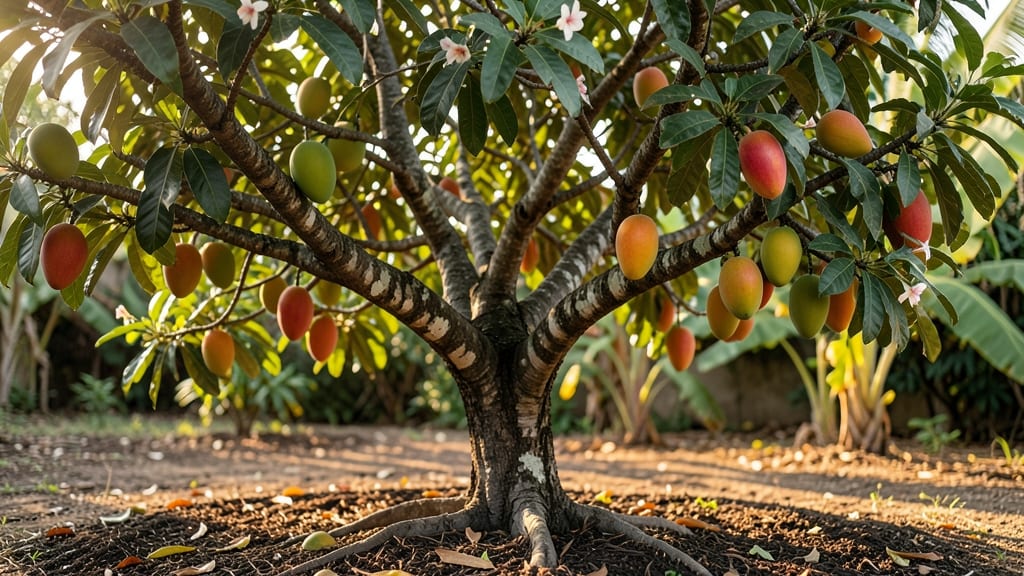
Summer pruning transforms your mango tree into a heat-resistant fruit factory. ✨ The key is shaping it now to balance airflow and sunlight—critical for preventing disease and maximizing harvest. I learned this the hard way when my tree’s center stayed too dense, and every summer storm turned fruit into mush.
You’ll need sharp pruners, a ladder, and a clear morning to work. Focus on removing crossing branches and thinning the canopy to let light reach the center. This isn’t about cutting back hard—it’s about strategic shaping to keep the tree healthy under scorching sun.
By late summer, you’ll see new growth filling in gaps naturally. The tree will produce more fruit next season, and the branches will support the weight without snapping. Plus, the open shape makes harvesting easier when those sweet mangoes ripen.
Works for both young trees and mature ones—just adjust the intensity. Here’s how to do it right without stressing the tree in peak heat.
📚 In This Guide
- What you need
- Instructions
- Tips and common mistakes
- Wrapping up and next steps
What you need
- ○ Pruning shears: Sharp, bypass pruners (for cuts up to ½ inch thick). Optional: Loppers (for thicker branches) and a pruning saw (for stubborn, large limbs).
- ● Disinfectant: 70% isopropyl alcohol or a 10% bleach solution (1 part bleach to 9 parts water) to sterilize tools between cuts.
- ● Gloves: Heavy-duty, cut-resistant gloves (thorns are no joke!).
- ○ Tree pruning sealant: Optional but helpful for sealing large cuts (look for latex-based or water-based options).
- ● Ladder or step stool: Sturdy and tall enough to reach the tree’s highest branches safely.
- ● Trash bags or bucket: For collecting pruned branches (compost them later!).
- ● Notebook & pen: To jot down notes on cuts, branch directions, or future growth plans.
- ● Weather check: Prune on a cool, cloudy morning (avoid midday heat—stress the tree!).
- ● Safety glasses: Protect your eyes from debris (thorns + branches = recipe for disaster!).
- ● Long sleeves/pants: Lightweight, breathable fabric to shield against sun and scratches.
- ● Water & sunscreen: Summer pruning is a workout—stay hydrated and protected!
Step-by-Step instructions for pruning a mango tree in summer
Here's how I shape my mango tree each summer for better airflow and bigger fruit—no guesswork, just proven cuts.
☀️ Step 1: Time Your Pruning for Maximum Heat Tolerance
Prune your mango tree in late summer, after the worst heat waves pass but before September 1st. This timing lets the tree recover before winter dormancy while avoiding heat stress. Look for mature leaves that stay green even in afternoon sun—those signal the tree's ready for pruning.
I avoid pruning during 100°F+ days because the open wounds attract pests and slow healing. Early morning or late afternoon are the best times to work. If you missed the window, wait until early fall when temperatures drop below 90°F consistently for at least 5 days.
✂️ Step 2: Remove Dead, Diseased, or Crowded Branches First
Start by cutting out any dead wood—it's easy to spot as dry, brittle branches with no leaves. Then remove branches with fungal spots, cracks, or oozing sap, cutting back to healthy wood. These branches won't recover and will drain the tree's energy if left attached.
Next, look for crossing branches or those growing directly toward the center. These compete for sunlight and create weak points where fruit can rot. Use clean, sharp pruners to make 45-degree cuts just above an outward-facing bud. The goal is to open up the canopy so air circulates freely—this prevents fungal diseases that thrive in summer humidity.
🌿 Step 3: Thin the Canopy for Better Airflow and Fruit Production
Step back and visualize the tree's shape. Aim for a rounded, vase-like form with the widest part at the bottom narrowing toward the top. Remove up to 25% of the foliage by cutting back branches to 1/3 of their length, focusing on the outer edges first. This encourages new growth on the inside where fruit forms.
Watch for water sprouts—those fast-growing, vertical shoots with no leaves. These steal energy from fruit production. Cut them back to a lateral branch with at least 3 leaves. You'll see stronger, bushier growth within 4-6 weeks as the tree redirects energy to productive branches.
💧 Step 4: Clean and Protect the Pruning Wounds
After each cut, sterilize your pruners with rubbing alcohol to prevent disease spread. For cuts larger than 1/2 inch, apply pruning sealant to protect against sun scorch and pests. For smaller cuts, let them heal naturally—the sealant isn't always necessary and can trap moisture.
Water the tree deeply the day after pruning to help it recover. You'll notice new leaf buds forming within 2-3 weeks at the pruning sites. These indicate the tree is healing well. Avoid heavy watering immediately after pruning—wait until the cuts have calloused over to prevent rot.
⏰ Step 5: Monitor and Maintain Through the Remaining Summer
Keep an eye on the tree for new growth—it should appear green and vigorous within 3-4 weeks. If you see yellowing leaves or stunted growth, the tree may be stressed from the pruning. In this case, reduce watering slightly and provide morning sun only for a few weeks to ease recovery.
Remove any sucker growth at the base of the tree immediately—these compete with the main canopy. By late August, you should see flower buds forming where you pruned. These will develop into next year's fruit. The open canopy you created will let sunlight reach all branches, ensuring even ripening and better flavor.
Tips & tricks for perfect mango tree pruning in summer
Here's what nobody tells you—the small details that make all the difference between a stressed tree and one that thrives all summer long.
Heat Timing Secret: The 5-day 90°F rule is your safety net if you miss the late summer window. I've pruned in early fall when temps consistently drop below 90°F for 5 days straight, and the tree recovers beautifully. The key is avoiding that 100°F+ threshold—those extreme temperatures turn pruning wounds into pest magnets and slow healing to a crawl. If you're unsure about the forecast, wait until you're certain the heatwave has passed.
Pruning Angle Matters: Those 45-degree cuts in Step 2 aren't arbitrary—they direct water runoff away from the wound while exposing more surface area for faster healing. When making cuts, imagine you're slicing a pizza wedge: the angle should face outward from the branch collar. This simple adjustment prevents water pooling that leads to rot. I also make sure to cut just outside the branch collar (that swollen area where the branch meets the trunk) to avoid damaging the tree's natural healing zone.
Canopy Vision Trick: Step back and squint at your tree—you'll immediately spot the problem areas. The goal is to see light filtering through the center when you look from different angles. I like to visualize an upside-down cone shape: wide at the bottom (where fruit forms) and narrowing toward the top. This shape catches sunlight at all angles while maintaining airflow. Don't be afraid to remove up to 25% of the foliage—this might seem drastic, but it's what triggers that bushier, more productive growth you'll see in 4-6 weeks.
Wound Care Strategy: That 1/2-inch rule for sealant application is crucial. I've seen many gardeners overuse sealant on small cuts, which can actually trap moisture and create the perfect environment for fungal growth. For cuts smaller than 1/2 inch, let nature take its course—the tree's natural healing response works better than any commercial product. When you do use sealant, apply it like you're painting a thin layer, not slathering it on thick. The goal is protection, not suffocation.
Pro Tips for Mango Tree In Summer
- Here's what nobody tells you—the small details that make all the difference between a stressed tree and one that thrives all summer long.
- Heat Timing Secret: The 5-day 90°F rule is your safety net if you miss the late summer window.
- Pruning Angle Matters: Those 45-degree cuts in Step 2 aren't arbitrary—they direct water runoff away from the wound while exposing more surface area for faster healing.
Frequently asked questions
Got questions about pruning your mango tree during the scorching summer months? Here are some common concerns—and expert answers—to help you keep your tree thriving and productive!
Why should I prune a mango tree in summer instead of winter?
Summer pruning (after the monsoon season, around June–July) helps your mango tree recover faster in the humid climate and reduces stress from winter cold. It also encourages new growth and fruit-bearing branches, but avoid extreme heat—prune early morning or late evening to protect the tree from sunburn.
How much can I trim without harming the tree?
Remove no more than 20–30% of the canopy in a single session. Focus on:
- Dead or diseased branches
- Crossing/scrubbing limbs
- Overcrowded growth
- Water sprouts (suckers)
Can I prune a mango tree in extreme heat (100°F+)?
Pruning in peak summer heat (above 95°F) stresses the tree and increases disease risk. Wait for mild days (60–85°F) or prune early morning (5–7 AM) or late evening (6–8 PM). Water the tree thoroughly 24 hours before and after to aid recovery.
Will summer pruning affect my mango harvest next year?
Pruning in summer can boost next year’s yield if done correctly! Removing old wood (over 3 years) stimulates new branches, while thinning dense foliage improves airflow and sunlight penetration—key for fruit development. Just avoid heavy cuts in flowering season (Dec–Feb) to protect potential fruit.
What tools should I avoid using on a mango tree in summer?
Skip dull or rusty tools—they tear bark and invite fungal infections (like anthracnose) in humid conditions. Use:
- Sharp bypass pruners for small branches
- Clean loppers for thicker limbs
- Disinfected pruning saw for large cuts
Wrapping up and next steps
Summer pruning your mango tree isn’t just about shaping—it’s about setting the stage for a fruit-filled future! 🌳 By following heat-resistant techniques, you’ll boost airflow, reduce stress on the tree, and encourage vibrant growth.
Whether you’re a seasoned gardener or just starting out, every snip brings you closer to that sweet, sun-ripened harvest.
Ready to take action? Grab your tools, check the weather, and schedule your pruning session—your mango tree (and your taste buds!) will thank you. Happy pruning! 🌞