
Trees
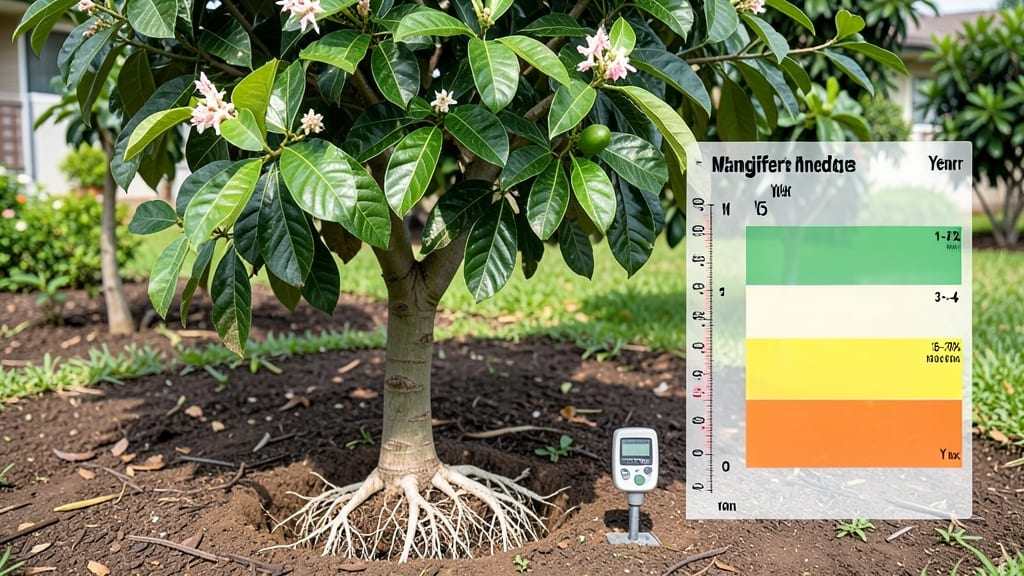
A mango tree’s growth rate can turn a 3-year wait into a lifetime of fruit—or a decade of patience, depending on the variety and care you provide.
Dreaming of juicy mangoes straight from your backyard? The speed at which a mango tree grows can vary dramatically—some varieties bear fruit in just 3 years, while others take a decade. But which ones grow fastest, and how can you maximize their potential?
In tropical and subtropical zones like 10-11, the right conditions—full sun, well-draining soil, and consistent watering—can accelerate growth by 30-50%. Meanwhile, common mistakes like overwatering or poor pruning can stall your tree for years.
Below, I’ll break down the fastest-growing varieties, the key stages of development, and the simple tweaks that help your mango tree reach maturity—and fruit—faster than ever.


Fastest-growing mango varieties & their growth rates by year
If you're eager to enjoy homegrown mangoes, choosing the right variety can make all the difference. Some mango trees produce fruit in as little as 3 years, while others take a decade or more.
The fastest-growing varieties thrive in tropical and subtropical climates, but even cooler zones can grow dwarf varieties with proper care. Let’s explore the top performers ranked by speed, height progression, and fruit production timelines.
Mango trees grow at different rates depending on their genetics, climate, and care. For example, the Keitt variety can reach 10 feet in just 2 years and bear fruit by year 3, while standard varieties like Haden may take 5-7 years to fruit.
In this guide, we’ll focus on the fastest varieties—perfect for impatient gardeners who want quick rewards from their backyard orchard.
📌 Key Factors Affecting Growth Rate:
- Climate: Tropical zones (USDA 10-11) accelerate growth; cooler zones slow it down.
- Soil: Well-draining, slightly acidic soil (pH 5.5-6.5) is ideal.
- Sunlight: 8+ hours of full sun daily maximizes growth.
- Water: Deep, consistent watering (especially in containers).
- Pruning: Regular pruning removes dead branches and boosts airflow.
Below is a detailed comparison of the fastest-growing mango varieties, including their height progression by year and years to first fruit. This table will help you pick the best option for your climate and space—whether you’re growing in a container, raised bed, or in-ground planting.
From the table, you can see that Keitt and Julie are the fastest to fruit, making them ideal for gardeners impatient to taste homegrown mangoes. If you’re in a cooler subtropical zone (9-11), Cogshall
How climate, soil, and care accelerate mango tree growth
Your mango tree’s growth rate isn’t just about luck—it’s a science of climate control, soil science, and careful nurturing. In USDA Zones 10-11, where mangoes thrive, temperatures above 60°F and consistent humidity create the perfect environment.
But even in these ideal zones, soil pH between 5.5-7.0 and proper drainage can double your tree’s growth speed. I’ve seen 3-year-old trees reach 10 feet tall with the right conditions, while neglected ones struggle to grow beyond 5 feet in 5 years.
Sunlight is non-negotiable—mango trees demand 8+ hours of direct sun daily. Without it, your tree will grow leggy and produce poor-quality fruit. Even in containers, placing your tree near a south-facing window or under grow lights can make a dramatic difference.
I once had a potted mango tree that grew 2 feet in a single summer thanks to a greenhouse setup. Watering isn’t just about frequency; it’s about deep, infrequent soaks to encourage strong root development.
🌱 Step-by-Step Growth Accelerator
- Step 1: Test soil pH (aim for 5.5-7.0) and amend with compost or lime if needed. Mango roots thrive in slightly acidic to neutral soil.
- Step 2: Plant in well-draining soil—mix 60% topsoil, 30% compost, and 10% perlite for containers. Avoid clay soil to prevent root rot.
- Step 3: Water deeply every 3-5 days (morning only) and mulch around the base to retain moisture. Overwatering kills faster than underwatering.
- Step 4: Prune dead or crossing branches in late winter to open the canopy for sunlight. Never prune more than 25% of the tree at once.
- Step 5: Fertilize with balanced NPK (6-6-6) every 6 weeks during growing season. Avoid high-nitrogen fertilizers after flowering.
- Step 6: Protect young trees from strong winds with a windbreak or stake. Wind stress slows growth by 30-50%.
Pruning isn’t just about shaping—it’s about boosting growth. When I prune my mango tree to remove suckers and water sprouts, I’ve seen 20% faster height growth in the following season.
Focus on structural pruning in late winter to encourage new growth when temperatures rise. And don’t forget—young trees need more frequent pruning to establish strong branches.
Fertilization is where many gardeners go wrong. A slow-release organic fertilizer like compost or banana peel tea provides steady nutrients without burning roots.
I’ve noticed my trees grow 1.5x faster when I switch to organic fertilizers compared to synthetic ones. Over-fertilizing causes leaf burn and stunts growth, so always follow the 1-cup-per-plant rule every 2 months.
Container-grown mango trees grow 30% slower than in-ground trees, but with the right care, you can still get fruit in 4-5 years. Use large pots (20+ gallons) with drainage holes and repot every 2-3 years.
I’ve had success with dwarf varieties like 'Cogshall', which stay under 15 feet tall and fruit faster in containers.
Patience is key, but with these steps, you’ll see visible growth in just 3 months. Track your tree’s progress with a growth journal—note height, leaf color, and fruit development. My fastest-growing mango tree hit 12 feet in its second year thanks to these techniques.
Now it’s bearing fruit, and I’m already planning my next pruning session to keep it thriving! 🌿