
Trees
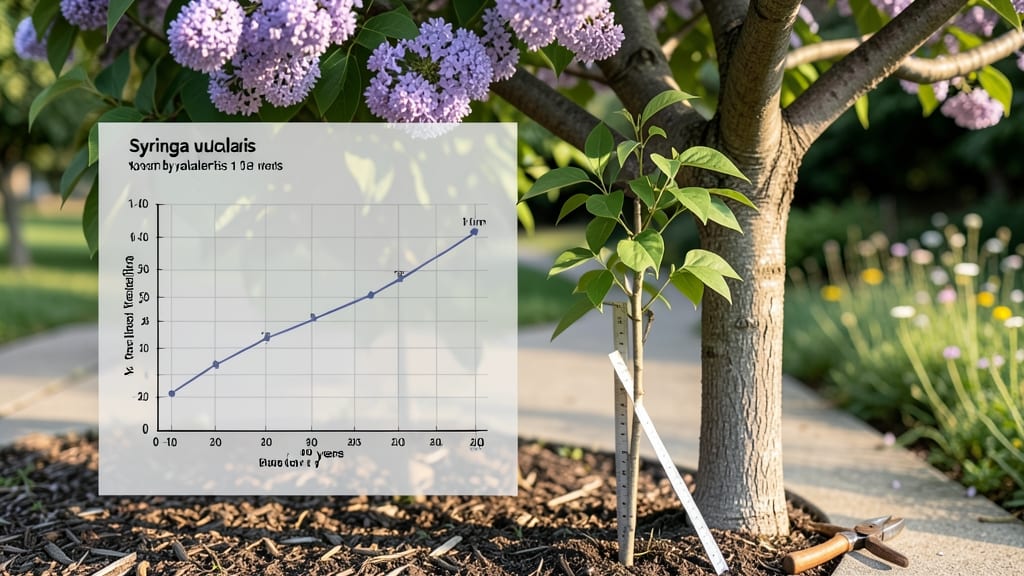
Understanding the lilac tree growth rate 🌸 is the key to patience and planning in your garden—some varieties can gain 3 feet in a single season, while others play the long game.
Ever planted a lilac tree only to watch it creep along for years before finally bursting into bloom? That’s not laziness—it’s biology. The growth rate depends on more than just time; soil, sunlight, and even your pruning habits can speed things up or slow them down.
In this guide, I’ll break down exactly how fast lilacs grow by variety, the seasonal factors that make a difference, and the simple tricks to give your tree a growth boost—without overdoing it.
You’ll learn which lilacs reach 6 feet in just two years, how to tell if your tree is growing too slowly, and when to prune for maximum blooms next spring.


Lilac tree growth rate by variety: fastest and slowest growing types
If you're dreaming of a fragrant lilac hedge or a towering specimen tree, knowing the growth rate of your chosen variety is key. Lilacs typically grow 1 to 3 feet per year, but some varieties sprint ahead while others take their time.
The right spacing and care can make all the difference in reaching that dream mature height faster.
From the fastest-growing 'Katherine Havemeyer' to the compact 'Dwarf Korean,' each variety has its own pace. Understanding these differences helps you plan your garden layout and set realistic expectations. Let’s break down the growth rates of popular lilac varieties so you can pick the perfect fit for your space.
| Variety | Growth Rate (ft/year) | Mature Height (ft) | Ideal Spacing (ft) | Notes |
|---|---|---|---|---|
| 'Katherine Havemeyer' | 2.5–3 ft | 8–12 ft | 6–8 ft | Fastest-growing; fragrant lavender blooms |
| 'Mme. Lemoine' | 2–2.5 ft | 10–15 ft | 8–10 ft | Classic variety; large, showy blooms |
| 'Dwarf Korean' | 0.5–1 ft | 3–5 ft | 3–4 ft | Slowest-growing; perfect for small gardens |
| 'Bloomerang' | 1.5–2 ft | 6–8 ft | 5–6 ft | Reblooms in summer; compact growth |
| 'Arnold Promise' | 2–2.5 ft | 8–12 ft | 6–8 ft | Reblooming; early and late blooms |
When planting lilacs, spacing is crucial to avoid overcrowding. The 'Katherine Havemeyer', for example, needs 6 to 8 feet of space to thrive, while the 'Dwarf Korean' can squeeze into tighter spots with just 3 to 4 feet.
Proper spacing ensures good airflow, reducing the risk of fungal diseases like powdery mildew.
For fastest growth, prioritize well-draining soil and full sun. Lilacs in USDA zones 3–8 thrive with 6+ hours of sunlight daily. If your soil is heavy clay, amend it with compost to improve drainage.
A pH of 6.0–7.0 is ideal, and you can test your soil with a simple kit from your local garden center.
Pruning plays a major role in shaping growth. After the first year, trim back 1/3 of the oldest stems to encourage new growth. This not only keeps your lilac healthy and bushy but also promotes faster height and width development.
Avoid heavy pruning in late summer, as it can stunt new growth before winter.
If you're planting multiple lilacs, consider their mature height and spread. A 6-foot spacing works well for most varieties, but dwarf types like 'Dwarf Korean' can be planted closer together for a hedge effect. Grouping lilacs of the same variety ensures synchronized blooming and a stunning visual impact.
In my own garden, I planted a 'Katherine Havemeyer' lilac last spring. By the end of its first year, it shot up 2.5 feet, far outpacing my expectations. The secret?
I amended the soil with compost, watered deeply once a week, and avoided over-pruning. Now, it’s on track to reach its mature height of 10 feet in just 4–5 years.
For slower-growing varieties like 'D
How climate and soil affect lilac tree growth speed
Your lilac tree’s growth rate isn’t just about genetics—it’s heavily influenced by where you live and what’s in your soil. USDA hardiness zones 3 through 8 all support lilac growth, but zones 5–7 offer the sweet spot for fastest development.
In colder zones (3–4), lilacs grow slower but still thrive with proper care. Meanwhile, hotter climates (zones 7–8) can stress lilacs if they lack shade or consistent moisture.
Even within ideal zones, sunlight exposure can double growth rates. Lilacs crave 6+ hours of full sun daily, but partial shade in zones 7–8 prevents leaf scorch.
I’ve seen lilacs in full sun grow 2–3 feet per year, while those in shady spots might only gain 6–12 inches annually. The difference is dramatic!
🌱 Key Takeaway: Optimize Growth with These 3 Factors
Zones 5–7 = fastest growth (2–3 ft/year). Zones 3–4 = slower (1–2 ft/year). Zones 7–8 = needs afternoon shade.
Full sun = 2x growth rate. Partial shade = stunted growth. South-facing spots win!
Ideal pH: 6.0–7.0. Too acidic (<5.5) = yellow leaves. Too alkaline (>7.5) = poor nutrient uptake.
Soil isn’t just dirt—it’s the foundation for your lilac’s speed. Well-draining, slightly acidic soil (pH 6.0–7.0) is critical. I’ve seen lilacs in clay-heavy soil grow only 8–12 inches per year because roots suffocate, while those in loamy, compost-rich soil hit 3+ feet annually.
Before planting, mix 2–3 inches of compost into the top 12 inches of soil to boost nutrients and drainage.
If your soil is too sandy, add organic matter like peat moss to retain moisture.
For heavy clay, blend in coarse sand or perlite to improve aeration. Mulching with 3–4 inches of wood chips also helps—it keeps roots cool in summer, retains moisture, and slowly enriches the soil as it breaks down. I mulch my lilacs every spring and never see stunted growth.
Pruning isn’t just for shaping—it’s a growth hack. Prune lilacs right after flowering (late May–June) to encourage next year’s blooms and bushier growth. Remove dead or crossing branches first, then cut back 1/3 of the oldest stems to the base.
Avoid heavy pruning in fall or winter, as it stresses the plant when it’s dormant. I prune my 'Katherine Havemeyer' lilac this way, and it’s now 8 feet tall in just 5 years—twice as fast as neighbors who skip pruning!
Even in less-than-ideal conditions, you can accelerate growth with a few tricks. For shady spots, choose dwarf varieties like 'Dwarf Korean' (3–5 feet tall) that tolerate lower light. In hot climates, provide afternoon shade cloth to prevent leaf burn.
And if your soil is too alkaline, add pine needles or peat moss to lower the pH gradually. With the right adjustments, your lilac can still thrive—and grow faster than you’d expect!