
Plants
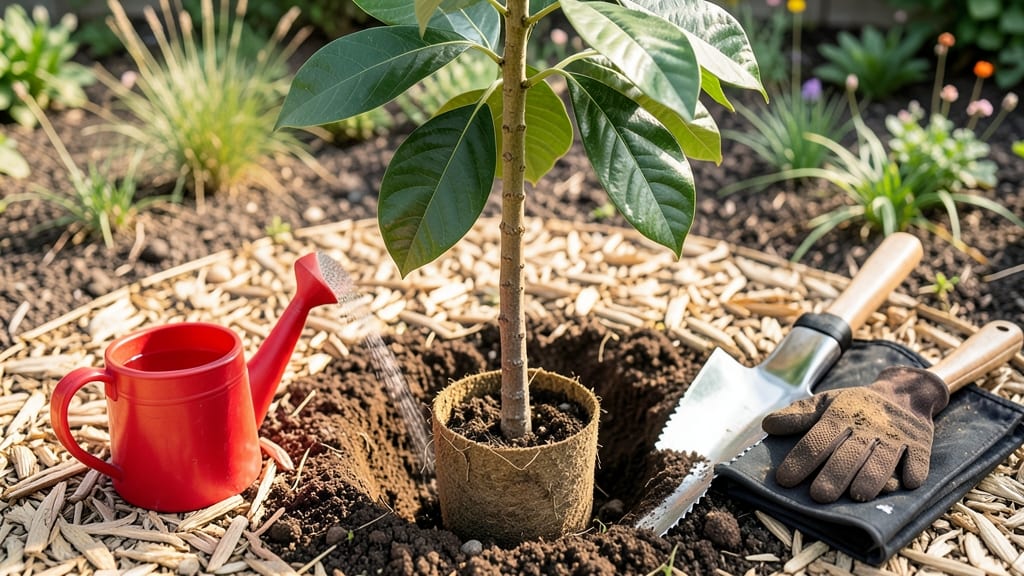
Planting a mango tree 🥭 in the ground at the right time is the key to faster fruit production and a thriving tree.
Get it wrong, and you risk stunted growth or even death—especially in colder climates. But with the right timing, your mango can bear fruit in just 3-5 years, no matter where you live.
Whether you're in frost-free Florida or the milder zones of California, knowing the best months to plant ensures strong root development and a healthier tree. I’ll break down the exact windows for your USDA zone, plus how to adjust for tropical vs. subtropical varieties.
Ready to plant? You’ll learn how to prep the soil, avoid common mistakes, and keep your mango tree growing strong for decades of harvests.
Best planting months by USDA climate zones for mango trees
Mango trees thrive in warm climates but struggle with frost, making planting timing critical for survival. In USDA Zones 10-11, you can plant year-round, while Zones 9 and below require careful timing to avoid early frost damage.
The key is planting when soil temperatures stay above 60°F (15°C) for at least 6 weeks—this ensures strong root establishment before winter.
For tropical varieties like 'Keitt' or 'Haden', aim for spring planting (March-May) in cooler zones, while subtropical types like 'Cogshall' can handle late winter (February-March) in Zone 9. In Zones 10-11, any season works, but avoid heavy rain periods to prevent waterlogged soil.
Let's break down the best months by zone for optimal growth and fruit production.
🌱
In Zones 10-11, where mangoes grow naturally, you can plant anytime, but spring or early summer gives roots time to establish before monsoon season. The soil temperature must stay above 60°F (15°C)—use a soil thermometer to confirm.
In Zone 9, planting in February-March lets roots grow before summer heat, while fall planting (September-October) avoids winter chill.
For Zone 8, wait until after the last frost date (typically April-May) and ensure soil stays above 70°F (21°C) for 6 weeks. If planted too early, young roots may suffer frost damage, stunting growth.
In Zone 7, only container growing is viable—plant in May-June and move indoors when temps drop below 50°F (10°C).
🌡️
Always acclimate your mango tree before planting by hardening it off for 7-10 days if grown in containers. This reduces transplant shock and improves survival rates. For bare-root trees, soak roots in water for 1-2 hours before planting to revive them.
In cooler zones, consider mulching heavily (4-6 inches) with straw or wood chips to insulate roots during winter.
If you live in Zones 3-6, grow mangoes in large containers (15+ gallons) and bring them indoors during winter. These zones lack the heat and humidity mangoes need, but with proper care, you can still enjoy fruit in 3-5 years.
Use a grow light for 12+ hours/day in winter to supplement sunlight.
🪴
One common mistake is planting too early in spring when soil is still cool. Young roots won’t establish properly, leading to stunted growth or even death. Always check soil temperature at 6 inches deep—this is the most accurate gauge.
If your zone has unpredictable frosts, opt for late spring planting (June) to give roots a full growing season before winter.
For maximum fruit production, time planting so the tree enters its second year with strong roots. This means Zone 9 plants should be in the ground by April, while Zone 10-11 trees
How to adjust planting time for tropical vs. subtropical mango varieties
Not all mango trees thrive on the same schedule. Tropical varieties like 'Keitt' and 'Haden' demand warm soil temperatures above 75°F, while subtropical types such as 'Cogshall' or 'Julie' tolerate cooler spring planting in zones 9-11.
Your choice of variety directly impacts when you should plant to avoid root shock or delayed fruiting.
In urban microclimates, heat islands can push soil temps up 10°F+ earlier than rural areas. This means city gardeners might plant tropical mangoes 2-4 weeks ahead of country neighbors. Always check soil temperature with a probe—60°F+ is the minimum for root growth in most varieties.
| Variety Type | Ideal Planting Window | Soil Temp Requirement | Microclimate Adjustment |
|---|---|---|---|
| Tropical (Keitt, Haden) | Late spring to early summer | 75°F+ minimum | Urban: 2-4 weeks earlier Rural: Wait for 80°F+ |
| Subtropical (Cogshall, Julie) | Early spring to late winter | 60°F+ minimum | Urban: 1-2 weeks later Rural: Follow frost dates |
| Cold-Hardy (Ice Cream, Kensington) | Late winter to early spring | 55°F+ minimum | Urban: Protect from wind Rural: Plant near heat-retaining walls |
For tropical varieties, I recommend waiting until after the last frost date in your area—even if your microclimate seems warm. Cold snaps can kill young roots, and tropical mangoes need consistent warmth to establish. In USDA zones 10-11, plant between March and May when daytime highs exceed 80°F.
Subtropical varieties like 'Cogshall' are more forgiving. They handle cooler spring soils and can even be planted in late winter (February-March) in zones 9-10. The key is to avoid planting when nighttime temps drop below 50°F—this slows root growth and increases disease risk.
Urban gardeners should also watch for heat reflection from buildings or pavement, which can create false early-warming conditions. Test soil temps at planting depth (6-8 inches) for 3 consecutive days before committing. If temps fluctuate wildly, delay planting until conditions stabilize.
Remember: Rural areas often have more stable soil temps, while cities experience rapid heating and cooling. Adjust your timing based on real data—not just your neighborhood's reputation for warmth. With the right timing, you'll see faster fruiting and healthier trees within just 2-3 years.