
Light Requirements
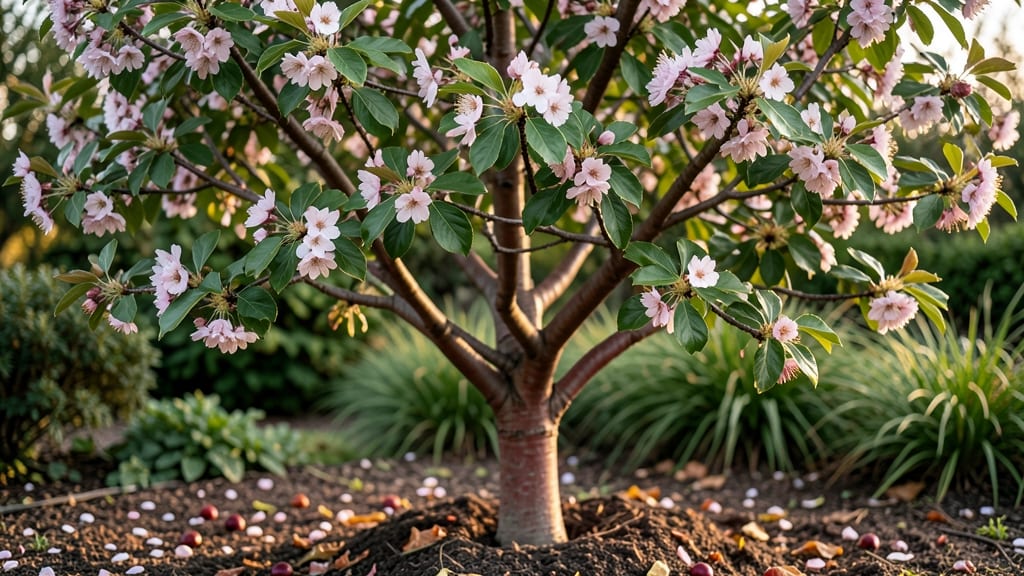
Your cherry tree needs the right sun requirements—specifically 6 to 8 hours of full sun daily—to produce sweet, flavorful fruit and avoid stunted growth or poor yields.
Struggling to grow sweet, juicy cherries? Your tree’s sun exposure could be the missing piece—too little light means poor fruit, while too much can stress the plant. Discover the exact sunlight balance your cherry tree needs to thrive and produce bountiful harvests year after year.
Sunlight isn’t just about hours—it’s also about timing and intensity. Young trees need gentle morning sun to avoid scorching, while mature trees can handle midday heat if properly acclimated. Learn how to position your tree for peak performance in USDA Zone 6a and beyond.
From adjusting for seasonal changes to recognizing signs of sun stress, this guide covers everything you need to know. You’ll find out how to maximize fruit production, protect your tree from heat damage, and keep it healthy from spring planting to summer harvest.


Optimal sunlight hours for cherry trees by variety and climate zone
Growing a cherry tree that produces sweet, flavorful fruit starts with understanding its sunlight requirements. While all cherry varieties thrive in full sun, the exact hours needed can vary based on whether you're growing sweet cherries (like Bing or Rainier) or sour cherries (like Montmorency).
Even your USDA climate zone plays a role—trees in cooler zones may need slightly more light to ripen fruit properly.
Sunlight directly impacts fruit sweetness, size, and yield. Too little light leads to small, tart cherries, while excessive afternoon sun in hot climates can cause sunburn or stress. Let’s break down the ideal sunlight hours for each variety and how to adjust based on your region.
For sweet cherries, 6–8+ hours of sunlight is non-negotiable, especially in warmer zones like 7–9. These varieties need intense light to develop their signature sugary flavor and juicy texture. In cooler zones (3–5), extend sunlight to 8+ hours to ensure fruit ripens before fall frost.
Varieties like Bing or Rainier will reward you with larger fruit and higher yields when given full sun.
On the other hand, sour cherries like Montmorency are more adaptable, thriving in 6–7 hours of sunlight. In USDA zones 3–6, they can tolerate partial shade without sacrificing tartness. However, in hotter zones (7–9), they still need 6+ hours to avoid bitter fruit or poor set.
Their smaller size and abundant production make them ideal for cooler climates or container growing.
If you’re growing dwarf cherry trees, like Stella or Lapins, they can tolerate 5–6 hours of sunlight, making them perfect for small gardens or urban yards.
In USDA zone 9, provide afternoon shade to prevent heat stress. These varieties fruit earlier and are self-pollinating, so they’re great for small-space orchards.
Young cherry trees need gradual acclimation to full sun. Start with 4–6 hours in their first year, then increase exposure to 8+ hours by year three. This slow transition prevents sunburn and helps roots establish.
In USDA zones 3–5, protect young trees from late spring frosts by choosing a south-facing location with windbreaks.
In hot climates (zones 8–9), afternoon sun can scorch leaves. Use light shade cloth or plant near a building or fence to block intense afternoon rays.
Mulch around the base with wood chips to retain moisture and regulate soil temperature. This microclimate adjustment can boost fruit quality by 15–20%.
Monitor your tree’s canopy growth—dense foliage can block sunlight from inner branches. Prune in late winter to open the canopy and ensure even light distribution. This practice also improves air circulation, reducing the risk of fungal diseases
Signs your cherry tree isn’t getting enough (or too much) sun
If your cherry tree isn’t producing the sweet, juicy fruit you expect, the issue might be tied to its sunlight exposure. Too little sun leads to weak growth and poor yields, while too much can cause stress and damage.
Understanding these visual cues will help you adjust care before it’s too late.
First, check the leaves. A tree lacking sufficient sun often develops small, sparse foliage with pale or yellowing leaves. The branches may also grow long and leggy as they stretch toward any available light source.
These signs indicate the tree is struggling to photosynthesize efficiently, which directly impacts fruit development.
On the other hand, excessive sun causes visible stress like brown or crispy leaf edges (a condition called sunburn) or even leaf scorch. You might also notice premature leaf drop during hot afternoons, especially in younger trees. Both extremes can reduce fruit quality and tree health over time.
⚠️ Cherry Tree Sun Warning
Cherry trees need 6-8 hours of direct sun daily. Too little sun = weak growth, small fruit. Too much sun = leaf scorch, stress. Adjust pruning or placement to balance exposure!
For young cherry trees, insufficient sun often results in stunted growth and fewer blossoms the following spring. This is because the tree isn’t building enough energy reserves during its critical early years.
If you notice small, underdeveloped cherries or fewer flowers, it’s a clear sign the tree needs more light.
To fix sun deficiency, consider pruning nearby shade trees or moving potted trees to sunnier spots. If your tree is in partial shade, try thinning the canopy to let more light reach the lower branches.
For sunburn issues, provide afternoon shade with a lightweight shade cloth during peak summer heat.
Monitor your tree’s response after making adjustments. A healthy cherry tree should have vibrant green leaves, plump fruit, and steady growth. With the right balance of sun, your tree will reward you with bountiful harvests for years to come. 🍒