
Blooming
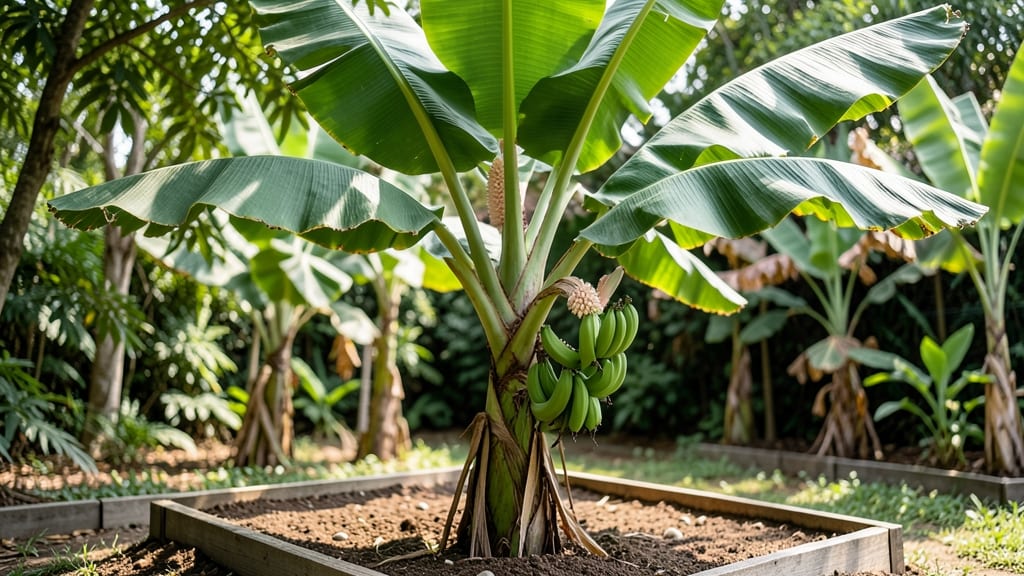
A banana tree to fruit typically takes 1-2 years after planting, but the exact timeline depends on your climate zone and care routine.
Dreaming of harvesting your own bananas but wondering why your 🍌 keeps growing leaves instead of fruit? The timeline for fruiting depends on your climate zone—and getting it right could mean the difference between waiting years or enjoying a harvest in months.
In General (Tropical/Subtropical Regions) like USDA zones 10-12, most banana trees fruit within 12-18 months, while cooler subtropical areas may take up to 24 months. The key? Balancing sunlight, water, and nutrients to push your tree into its flowering stage faster.
Below, I’ll walk you through the realistic timelines by zone, the 5 critical factors that speed up fruiting, and how to spot when your banana tree is finally ready to produce those sweet, familiar clusters.
Banana tree fruiting timeline by climate zone: when to expect first harvest
If you're growing a banana tree, knowing when to expect fruit depends entirely on your climate zone. In tropical regions, you might see bananas in as little as 9-12 months, while temperate gardeners could wait 2-3 years or longer.
The difference comes down to temperature consistency, daylight hours, and even the variety you choose. Let's break down what to expect in each zone.
For home gardeners in USDA Zones 10-12, the most common fruiting window is 12-18 months after planting. This is where banana trees thrive naturally, with year-round warmth and 12+ hours of daylight.
In subtropical zones (9-10), fruiting may take 18-24 months due to cooler winters, while temperate zones (below 9) often require container growing with winter protection and can delay fruiting until 2-4 years.
| Climate Zone | Varieties | First Fruiting Window | Key Conditions |
|---|---|---|---|
| Tropical (10-12) | Cavendish, Lady Finger, Red Dacca | 9-18 months | Year-round warmth, 60"+ annual rainfall |
| Subtropical (9-10) | Dwarf Cavendish, Ice Cream, Manzano | 18-24 months | Mild winters, 4000+ daylight hours/year |
| Temperate (below 9) | Dwarf Cavendish (container), Bluggoe | 2-4 years | Winter protection, supplemental grow lights |
In tropical zones, varieties like Cavendish and Lady Finger are the fastest to fruit, often producing bananas within 12 months if given rich, well-draining soil and consistent moisture.
These zones mimic the banana's natural habitat in Southeast Asia, where temperatures stay above 65°F year-round. The key here is continuous growth—no winter dormancy means faster fruiting.
For subtropical gardeners in zones 9-10, cooler winters can delay fruiting by 6-12 months. Varieties like Dwarf Cavendish and Ice Cream bananas are better suited, as they tolerate brief cold snaps.
In these areas, I recommend planting in spring to give the tree a full growing season before winter slows growth. Fertilizing in early spring with a potassium-rich blend can also encourage earlier flowering.
Gardeners in temperate zones face the biggest challenges. Most banana trees won't fruit outdoors in these areas, but Dwarf Cavendish can produce fruit in large containers with winter protection. Expect a 2-4 year wait as the tree builds energy.
I've seen success with greenhouse growing or moving potted trees indoors during winter, which can cut the timeline to 2 years if done correctly.
One critical factor across all zones is daylight exposure. Banana trees need 12+ hours of sunlight daily to trigger flowering. In shorter-day climates, supplement with grow lights for 4-6 hours in the evening to mimic tropical conditions.
I've used LED grow lights on a timer with great results, especially for container-grown trees in cooler zones.
Don't forget that variety selection makes a huge difference. Dwarf Cavendish fruits faster than standard varieties but produces smaller bunches. If you're in a temperate zone, this is your best bet for home harvesting.
Meanwhile, Cavendish in tropical zones yields larger fruit but takes slightly longer to mature. Always check the mature height of your chosen variety—some can grow 20+ feet tall, which may not suit small gardens.
Finally, patience is key. Even in ideal conditions, banana trees prioritize leaf growth before flowering. The first flower spike (called a "hand") can appear suddenly after 12-18 months of steady growth. Once you see this spike, count on 3-6 months until the bananas are ready to harvest.
In my own garden, I've found that removing suckers (offsets) redirects energy to fruit production, often speeding up the process by 2-3 months.
Ready to start growing? Choose the right variety for your zone, give your tree the care it needs, and soon you'll be enjoying homegrown bananas straight from your garden. 🍌
5 Critical factors that speed up or delay banana tree fruiting
Your banana tree might be thriving with lush leaves but still refusing to fruit. The key to faster fruiting lies in understanding five critical factors that directly control when—and if—your plant produces bananas.
From soil chemistry to sunlight exposure, each element plays a role in triggering that all-important flower spike. Let’s break down how to optimize these factors for a quicker harvest.
First, soil pH is often overlooked but crucial. Banana trees prefer slightly acidic to neutral soil, with a pH between 5.5 and 7.0. If your soil is too alkaline (above 7.5), nutrients like phosphorus and potassium become unavailable, delaying flowering.
Test your soil and amend it with sulfur or peat moss if needed. A simple pH test kit costs under $10 and can save you months of waiting.
Next, watering techniques make a surprising difference. Banana trees need deep, consistent moisture, but overwatering or irregular watering stresses the plant. Aim for 1-2 gallons of water every 2-3 days, delivered directly to the root zone.
Avoid wetting the leaves to prevent fungal diseases like sigatoka leaf spot, which weakens the tree and delays fruiting. A drip irrigation system is ideal for maintaining steady moisture.
- Soil pH 5.5-7.0: Test and adjust with sulfur or compost to unlock nutrient absorption.
- Deep watering: 1-2 gallons every 2-3 days; avoid leaf wetting to prevent disease.
- Balanced fertilizer: Use 10-10-10 NPK in spring/summer; switch to potassium-rich in fall.
- Full sun (6+ hours): South-facing locations maximize photosynthesis for flowering.
- Prune old fronds: Remove dead leaves to redirect energy to new growth and fruit production.
Fertilizer choice is another game-changer. Banana trees respond best to a balanced 10-10-10 NPK fertilizer during active growth (spring and summer). However, as the tree approaches maturity, shift to a potassium-rich fertilizer (like 5-10-15) to support flower development.
Organic options like composted manure or banana peels also work well, but synthetic fertilizers provide faster results. Apply fertilizer every 4-6 weeks during the growing season, following the package instructions.
Sunlight exposure is non-negotiable for fruiting. Banana trees require at least 6 hours of direct sunlight daily to produce flowers. In cooler climates, place your tree in the southernmost location possible, even if it means moving it indoors during winter.
Without sufficient light, the tree focuses on leaf growth instead of flowering. If growing indoors, supplement with grow lights for 12-14 hours per day to mimic tropical conditions.
Finally, pruning methods can accelerate fruiting by redirecting energy. Remove any yellow or dead leaves regularly to reduce waste. Once your tree reaches maturity (about 10-15 feet tall), prune the oldest fronds to encourage new growth and flowering.
Avoid over-pruning, as this can stress the tree. Focus on maintaining a healthy balance between leaves and stems to ensure energy is allocated to fruit production.
By mastering these five factors—soil pH, watering, fertilizer, sunlight, and pruning—you can cut down the waiting time for bananas from years to months. Start with a soil test and adjust one factor at a time. Your patience will pay off with a bountiful harvest of homegrown bananas! 🍌