
How To
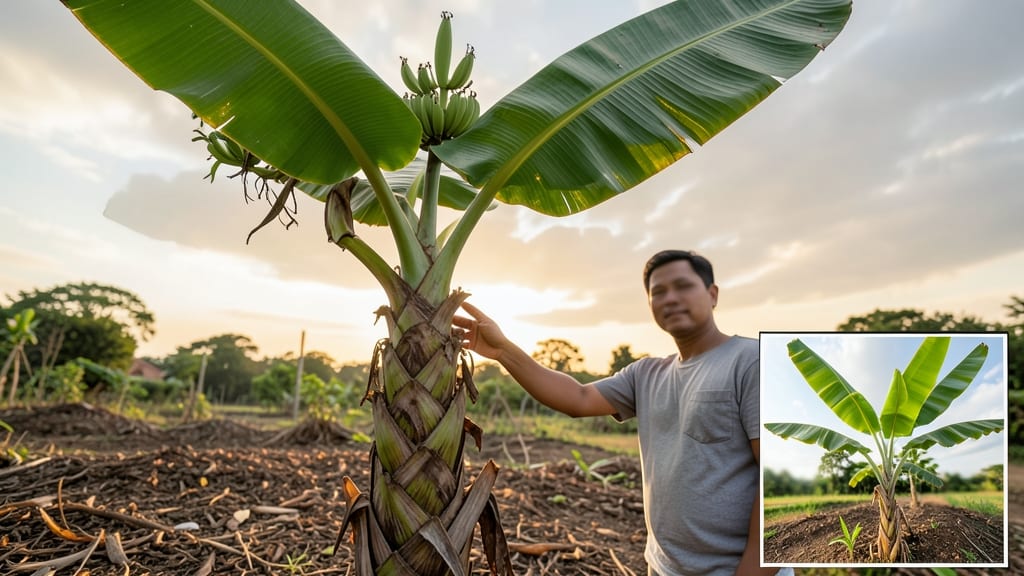
How tall a banana tree can grow depends on the variety and growing conditions—some dwarf types stay small enough for containers, while giants reach taller than a two-story house.
If you’ve ever dreamed of harvesting your own tropical fruit but wondered whether a banana tree will tower over your backyard—or fit neatly in a pot—you’re not alone. These plants come in surprising varieties, each with dramatic differences in height, growth speed, and care needs.
Understanding how tall your banana tree will grow is the first step to choosing the right spot and variety for your climate. Whether you’re in USDA zones 10–12 or a cooler subtropical region, the right selection can mean the difference between a 10-foot dwarf and a 30-foot giant.
Below, I break down the height ranges by variety, how fast they grow, and the best care tips to help yours reach its full potential—without taking over your garden.

Banana tree height by variety: from dwarf to giant species
Choosing a banana tree variety isn’t just about fruit flavor—it’s also about space planning. Some varieties stay compact enough for patio pots, while others reach heights that require backyard clearance or even professional installation.
The mature height of a banana tree varies dramatically, from 8 feet for dwarf types to 30 feet for giants, making variety selection your first critical decision.
Before planting, measure your space and consider wind exposure, as taller varieties need sturdy support in breezy areas. Even dwarf varieties can topple if planted in unprotected locations. Let’s explore the height ranges of popular banana varieties so you can match your dream tree to your garden’s reality.
🌱 Height Comparison Table:
| Variety | Type | Mature Height (ft) | Growth Rate | Ideal Climate |
|---|---|---|---|---|
| Dwarf Cavendish | Dwarf | 8–12 ft | Moderate (3–5 ft/year) | Tropical/Subtropical |
| Red Dwarf | Dwarf | 10–14 ft | Fast (4–6 ft/year) | Tropical/Subtropical |
| Lady Finger | Semi-Dwarf | 12–18 ft | Moderate (3–5 ft/year) | Tropical/Subtropical |
| Ice Cream | Semi-Dwarf | 15–20 ft | Slow (2–4 ft/year) | Tropical/Subtropical |
| Grand Nain | Standard | 20–25 ft | Fast (5–7 ft/year) | Tropical/Subtropical |
| Musa acuminata | Giant | 25–30 ft | Very Fast (6–8 ft/year) | Tropical |
| Bluggoe | Standard | 18–22 ft | Moderate (3–5 ft/year) | Tropical/Subtropical |
The Dwarf Cavendish, a popular grocery store variety, tops out at 8–12 feet, making it ideal for containers or small gardens. Its compact size and fast fruiting (within 1–2 years) make it a favorite for home growers.
Meanwhile, the Musa acuminata, a wild ancestor of many cultivated bananas, can reach 30 feet—taller than a two-story house—and requires ample space and wind protection.
For medium-sized yards, the Lady Finger variety offers a balance with heights of 12–18 feet. This variety thrives in partial shade and produces small, sweet bananas perfect for snacking.
If you’re in a cooler subtropical zone, the Ice Cream banana (named for its creamy texture) grows to 15–20 feet and tolerates slightly lower temperatures than tropical varieties.
Giant varieties like Grand Nain (the classic Cavendish type) can grow 20–25 feet tall and need full sun exposure to reach their potential. These trees produce large, familiar bananas but require regular pruning to manage their height and prevent damage from heavy fruit loads.
If you’re growing near power lines or in a windy area, consider staking or planting near a windbreak fence.
Even dwarf varieties can surprise you with their growth speed. A Red Dwarf banana tree might add 4–6 feet per year in ideal conditions, reaching its mature height in just 2–3 years.
This rapid growth means you’ll need to monitor its height early and adjust support structures like bamboo stakes or trellises as it grows. For container gardening, always choose dwarf or semi-dwarf varieties to avoid outgrowing your pot.
One often-overlooked factor is the pseudo-stem of banana trees, which is actually a mass of leaf bases rather than true wood. This means taller varieties can split or lean under their own weight, especially during fruit production.
To prevent this, mulch heavily around the base and consider cable ties or straps to secure
How fast banana trees grow: timeline from seed to fruit
Banana trees grow at a remarkable pace, transforming from tiny seedlings into towering fruit-bearing giants in just a few years. While their growth speed depends on variety, climate, and care, most banana trees reach mature height within 12–18 months.
Understanding this timeline helps you set realistic expectations and optimize care for faster, healthier development.
From the moment you plant a banana seedling, you’ll witness explosive vertical growth—especially in tropical climates. The first 6 months focus on establishing roots and early leaf production, but after that, height gains can be 3–5 feet per year.
With ideal conditions, some varieties even flower and fruit within their first year!
🌱 Banana Tree Growth Timeline
- Month 1–3: Seedling stage (1–3 ft tall) with first true leaves emerging. Focus on consistent moisture and partial shade to prevent stress.
- Month 4–6: Rapid vertical growth (up to 6–10 ft) as the pseudostem thickens. Increase fertilizer to support leaf production.
- Month 7–9: Flowering begins (visible penduncle emerges). Reduce water slightly to encourage fruiting—this is when growth slows temporarily.
- Month 10–12: Fruit development accelerates. The tree may reach 12–18 ft by harvest time. Prune dead leaves to redirect energy to fruit.
- Year 2+: Mature height (15–30 ft) achieved. After fruiting, the mother plant dies, but suckers at the base ensure continuity.
🌿 Pro Tip: Dwarf varieties like ‘Lady Finger’ may fruit in 9–12 months, while giant types like ‘Gros Michel’ take 18–24 months.
Several factors influence how quickly your banana tree grows. Sunlight is critical—6+ hours of direct sun daily fuels rapid growth, while shade slows development. Soil fertility also plays a key role: rich, well-draining soil with organic matter supports faster leaf and stem expansion.
To accelerate growth, I recommend these care tweaks:
- Water deeply 2–3 times weekly (1–2 gallons per watering).
- Apply balanced fertilizer (10-10-10) every 6 weeks during the growing season.
- Mulch the base with straw to retain moisture and regulate soil temperature.
- Protect young trees from strong winds, which can stunt growth.
In tropical USDA Zones 10–12, banana trees grow year-round with minimal stress. However, in cooler climates (Zones 8–9), growth slows in winter, and you may need to overwinter potted trees indoors. Even with seasonal slowdowns, most banana trees reach fruiting size within 1–2 years—far faster than many fruit trees!
Remember, banana trees are not perennial in the traditional sense—they die after fruiting, but suckers (offshoots) at the base ensure a continuous harvest. By understanding this lifecycle, you can plan for successive plantings and enjoy year-round tropical fruit in your garden. 🍌