
Plants
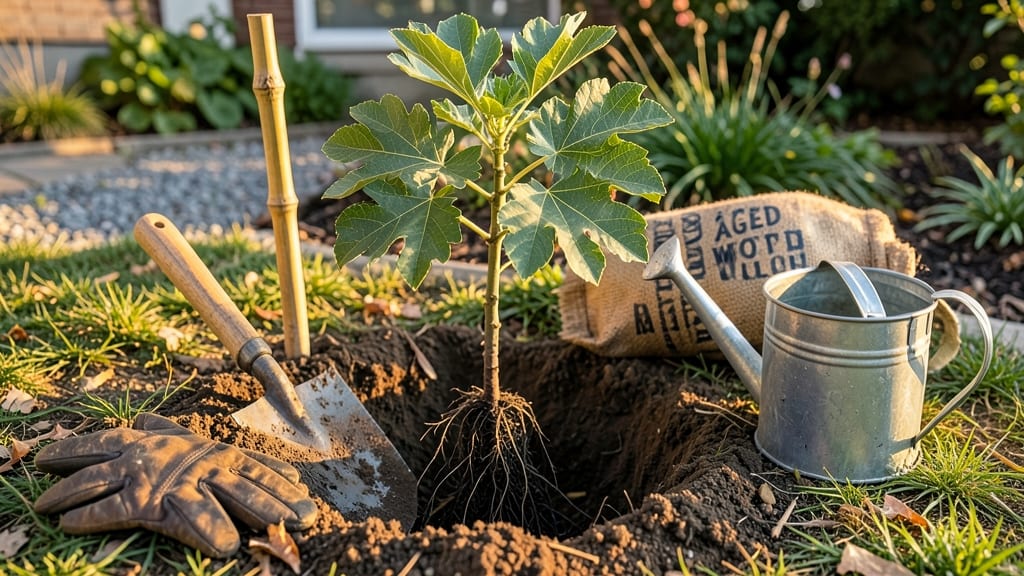
Planting a fig tree in New York after the last frost date — around mid-April — sets your tree up for a strong start before summer’s heat arrives.
New York’s unpredictable climate can make planting a fig tree tricky—but timing it right ensures your tree thrives year after year. Learn the exact window for planting in NY’s zones to avoid frost damage and maximize growth.
Fig trees 🍈 love warmth, so waiting until soil temperatures hit 60°F (around late April to early June) gives roots the best chance to establish before summer’s intense heat. In colder zones like 6a, container-grown trees offer flexibility to move them indoors if frost lingers.
Below, I’ll break down the best months for your zone, how to prep your soil, and which fig varieties handle NY’s winters best—so you can enjoy homegrown fruit by late summer.
Best planting months for fig trees in New York by hardiness zone
New York’s hardiness zones 5-8 create unique challenges for growing fig trees, but with the right timing, you can establish a thriving tree. The key is planting when soil temperatures stay above 60°F (15°C) and frost risks are minimal.
In colder zones like 5-6, focus on late spring planting, while zones 7-8 offer more flexibility with fall options.
Fig trees are tender perennials that struggle with frost, so avoiding early-season planting is critical. The last frost date in New York typically ranges from mid-April in zone 8 to late May in zone 5.
Planting too early exposes young roots to cold soil, which can stunt growth or kill the tree entirely.
For zone 5 gardeners, the late May to early June window is non-negotiable. This timing aligns with when soil temperatures consistently stay above 60°F (15°C), which is critical for root establishment.
In zone 6, you have slightly more flexibility with a mid-May to late June window, but always check local frost forecasts.
Zones 7 and 8 offer the most planting options, including fall planting in September. Fall-planted fig trees benefit from cooler temperatures and establish roots before winter dormancy. However, avoid planting too late—roots need 4-6 weeks to establish before the first frost.
Container growing is a game-changer for colder zones. By planting in large pots, you can move fig trees to a protected location during winter. This method works especially well in zone 5, where winter temperatures can drop below -10°F (-23°C).
Always test your soil temperature before planting. Use a soil thermometer to confirm temperatures are stable above 60°F (15°C) for at least 7-10 days. Cold soil can shock young roots and delay growth by weeks or even months.
If you miss the spring window, don’t despair—fig trees can be planted in early fall (September) in zones 7-8. Just ensure the tree has time to establish roots before winter. In zone 6, fall planting is riskier due to earlier frosts, so spring remains the safer choice.
Pro tip: Mulch heavily after planting to insulate roots and retain moisture. Use 3-4 inches of organic mulch like straw or wood chips, keeping it 6 inches away from the trunk to prevent rot.
Remember, fig trees are sun-worshippers. Choose a location with at least 6-8 hours of full sun daily. In New York’s urban areas, south-facing walls or fences can provide extra warmth and protection from wind.
With the right timing and care, your fig tree can thrive in New York’s climate—producing sweet, homegrown fruit year after year. 🌱
How to prepare your New York garden for fig tree planting
New York’s heavy clay soils and unpredictable frost dates can challenge fig tree success, but with the right prep, your tree will thrive. Start by selecting a south-facing location with 6-8 hours of sunlight—critical for fruiting.
Avoid windy spots, as figs are sensitive to late-season storms that can damage branches.
Before planting, test your soil’s drainage and pH. Figs prefer well-draining soil with a pH between 6.0-7.0. If your soil is compacted clay, amend it with organic matter like compost or aged manure to improve aeration. Mulch heavily around the base to retain moisture and regulate soil temperature.
Here’s your step-by-step prep checklist for a fig tree-ready New York garden:
- 1. Choose a sunny spot with south-facing exposure and wind protection (e.g., near a fence or building).
- 2. Test soil pH—aim for 6.0-7.0—and amend with compost or peat moss if needed.
- 3. Loosen soil to 12 inches deep to improve drainage, especially in clay-heavy areas like upstate NY.
- 4. Add organic matter: Mix in 3-4 inches of compost or well-rotted manure to enrich the soil.
- 5. Install a windbreak if needed—figs hate cold winds that stress young trees.
- 6. Water deeply 1-2 weeks before planting to prep the root zone for transplant shock.
For container growing, use a large pot (20+ gallons) with drainage holes and fill it with a mix of potting soil, perlite, and compost.
Place the container in a protected outdoor spot during summer and move it indoors or under a frost blanket before first frost (mid-October in NY).
If planting in fall (September-October), choose a cold-hardy variety like ‘Celeste’ or ‘Chicago Hardy’ and give the tree extra mulch and winter protection. Water deeply before the ground freezes to hydrate roots for dormancy.
In spring (April-May), focus on early watering to encourage root growth before summer heat arrives.
Pro tip: Mulch with straw or wood chips to insulate roots in winter and suppress weeds—a must for NY’s competitive garden beds. Avoid synthetic mulches, which can overheat soil in summer.
With these steps, your fig tree will establish strong roots and bear fruit reliably in NY’s climate. 🌿