
Watering
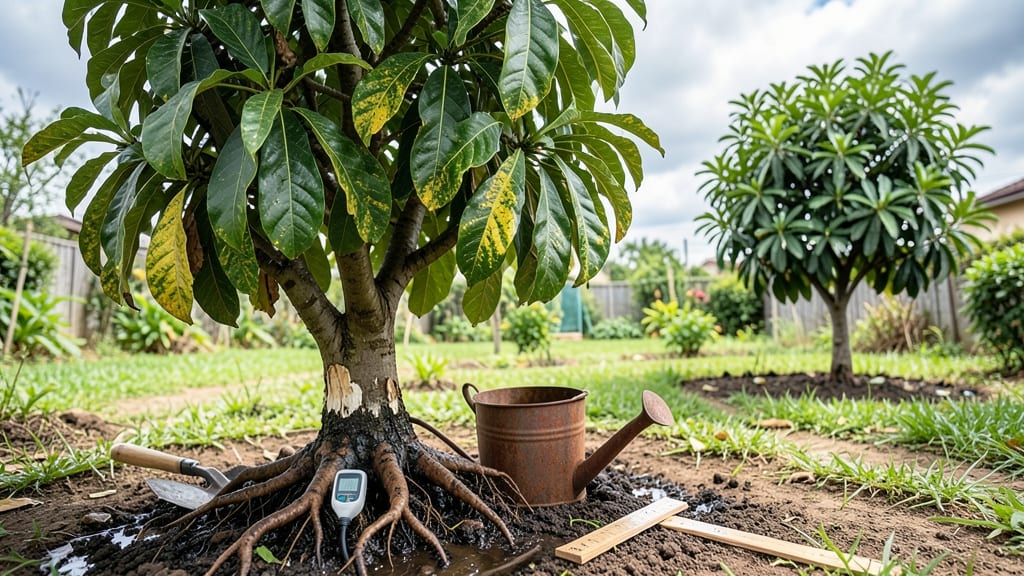
Overwatered avocado trees reveal themselves in shocking ways—yellowing leaves, mushy roots, and a sad, drooping canopy that looks nothing like your vibrant, healthy plant. 🌱 I’ve seen this exact scene play out after just a few weeks of overzealous watering, and the fix isn’t as simple as cutting back.
The real damage happens below the soil where roots suffocate, turning brown and slimy instead of firm and white.
The first warning sign is leaves that yellow at the edges before turning crispy, paired with a soil surface that stays damp for days. Avocados hate soggy feet—once roots start rotting, the tree struggles to absorb nutrients, even if you’re feeding it fertilizer.
That’s how you end up with a plant that looks thirsty but can’t actually drink. The good news? Catching it early means you can still save your tree with better drainage and a stricter watering schedule.
Here’s what you’ll achieve: a tree that stands tall again within weeks, with new green growth pushing through where yellow once dominated. The roots will firm up, the soil will drain properly, and you’ll learn exactly how much water your avocado actually needs—spoiler, it’s less than you think.
We’ll walk through the step-by-step rescue plan next, including how to test your soil and adjust your routine.
This works whether your avocado is in a pot or planted in the ground, and it’s especially critical if you live in humid climates where roots rot faster.
The key is patience—overwatered trees don’t bounce back overnight, but with the right care, they’ll be thriving again in just a few weeks. Let’s get started on the turnaround.
Root Causes Of Overwatering
Overwatering an avocado tree isn’t just about pouring too much water—it’s a cascade of environmental and care-related factors that disrupt the plant’s delicate balance. Understanding these causes helps you adjust your approach before the damage becomes irreversible.
Let’s break down the key reasons why your avocado tree might be drowning in its own pot.
Avocado trees thrive in well-draining soil, but when drainage fails, excess moisture lingers around the roots, suffocating them. Here’s why it happens:
- Clay or compacted soil: Dense soils (like clay) repel water instead of absorbing it, creating a waterlogged layer at the root zone. Avocado roots need aeration—when soil stays soggy, oxygen can’t reach the roots, leading to anaerobic conditions (a fancy term for "roots gasping for air").
- Improper pot selection: Pots without drainage holes trap water, turning the growing medium into a swamp. Even "self-watering" pots can backfire if they don’t allow excess water to escape.
- Mulch piled too high: Mulch (like wood chips or straw) should sit 2–3 inches away from the trunk to prevent water from pooling against the stem. Too much mulch acts like a dam, trapping moisture and promoting fungal growth.
Pro tip: 🔥 Test your soil’s drainage by filling a pot with soil and water, then timing how long it takes to drain. If it sits wet for more than 30 minutes, your soil is too dense—amend it with perlite or sand.
Avocado trees are drought-tolerant in their native habitats, but many gardeners overcompensate by watering on a strict schedule rather than checking soil moisture. Here’s how it goes wrong:
- Ignoring the "finger test": Stick your finger 2–3 inches into the soil. If it’s damp, wait. If it’s dry at that depth, water deeply. Overwatering often stems from watering just because it’s Tuesday.
- Small, frequent waterings: Avocado trees prefer deep, infrequent watering to encourage root growth. Light sprinkles keep the topsoil wet while the lower roots remain thirsty, leading to shallow root systems that can’t support the plant.
- Seasonal mismatches: Water needs drop in winter (when growth slows) but spike in summer (when evaporation accelerates). A rigid schedule fails to adapt to these changes.
Pro tip: 🌡️ Use a moisture meter or a simple wooden chopstick to track soil moisture. In containers, water only when the top 1–2 inches of soil are dry.
Your avocado tree isn’t just reacting to your watering habits—it’s also responding to its surroundings. These external factors can amplify overwatering risks:
- High humidity: Avocado trees struggle in humid climates (60%+ relative humidity) because excess moisture in the air slows evaporation, keeping soil damp longer. This is a double whammy for roots.
- Low sunlight exposure: Shady spots reduce the plant’s ability to transpire (release water through leaves). Without enough light, the tree can’t "breathe out" excess moisture, leading to waterlogged roots.
- Cold or windy conditions: Chilly temperatures or strong winds stress the tree, weakening its natural defenses. A stressed avocado tree is more susceptible to root rot when overwatered.
Pro tip: ✨ If you’re in a humid area, reduce watering by 20–30% and ensure pots have multiple drainage holes. Move potted trees to bright, indirect light to boost transpiration.
Overwatering creates the perfect breeding ground for pathogens that attack avocado roots. Here’s how it spirals out of control:
- Phytophthora root rot: This water-loving fungus thrives in saturated soil, clogging root vessels and blocking water/nutrient uptake. Infected roots turn brown and mushy, while healthy ones stay firm and white.
- Pythium and Fusarium: These bacteria/fungi compete with roots for oxygen, leading to wilting leaves even when the soil is wet. They’re especially aggressive in containers with poor aeration.
- Secondary infections: Weakened roots from overwatering become easy targets for pests like nematodes, which further degrade root health.
Pro tip: 💡 If you suspect root rot, stop watering immediately and repot the tree in sterilized, fast-draining soil. Add 10% perlite or coconut coir to improve airflow.
By identifying which of these factors is at play, you can target the real issue—not just the symptoms. The next step? Learning how to reverse the damage before it’s too late.
Revive Your Avocado Tree Now
Overwatering can feel like a slow-motion disaster for your avocado tree, but the good news is that with the right steps, you can nurse it back to health. The key is acting fast—before root rot sets in or the tree becomes too stressed to recover.
Below, we’ll break down practical fixes based on the symptoms you’re seeing, along with prevention tips to keep your tree thriving long-term.
If your avocado tree’s leaves are turning yellow but the roots aren’t yet mushy, you’re in luck—this is often reversible!
🔥 Step 1: Adjust Your Watering Routine Immediately
- Stop watering for at least 5–7 days to let the soil dry out. Avocado trees prefer dry, well-draining soil—they’re drought-tolerant once established!
- Check soil moisture before watering again: Stick your finger 2–3 inches deep into the soil.
If it’s damp, wait another day. If it’s bone-dry, give it a deep but infrequent watering.
🍳 Step 2: Improve Drainage Like a Pro
Overwatering thrives in compacted or clay-heavy soil.
Fix it with these tweaks: - Amend the soil with perlite, coarse sand, or pumice (10–20% of the soil mix) to improve aeration. - Raise the pot (if potted) by placing it on feet or a saucer to prevent water pooling at the bottom. - Repot if needed: If the roots are circling or the soil is waterlogged, move your tree to a larger pot with fresh, well-draining mix.
💡 Pro Tip:
Yellow leaves can also signal nutrient deficiency (like nitrogen or magnesium). If they’re soft and spongy, it’s water; if they’re crispy with brown edges, it’s likely a nutrient issue. Test your soil or feed with a balanced fertilizer (like 10-10-10) after reviving the roots.
If your avocado tree’s roots are dark, smelly, and mushy, root rot has set in—and this requires aggressive action.
👨🍳 Step 1: Rescue the Roots (Gentle Surgery)
- Remove the tree from its pot carefully (if potted) or dig around the base (if in-ground).
- Trim the damaged roots with sterilized pruning shears: - Healthy roots are firm, white, or light tan. - Rotten roots are black/brown, slimy, or crumble easily. Cut these off down to the healthy tissue.
- Disinfect the cuts with hydrogen peroxide (3%) or cinnamon powder (natural antifungal).
🥘 Step 2: Repot in Fresh, Sterile Soil
- Use a clean pot (or a new one) with drainage holes.
- Repot in a mix of:
- 50% cactus/succulent soil (or regular potting mix)
- 30% perlite or pumice
- 20% compost or worm castings (for nutrients, not moisture)
- Water lightly only after 3–5 days to avoid shocking the roots.
⏰ Step 3: Monitor & Prevent Future Rot
- Keep the soil dry for the first 2 weeks—mist lightly if needed, but avoid soaking.
- Move to a shadier spot temporarily to reduce stress (avocados hate wet feet + direct sun).
- Avoid mulch near the base—it traps moisture.
Instead, use gravel or bark chips a few inches away.
Once your tree is back on track, prevent overwatering with these habits:
| Mistake | Fix It Like This |
|---|---|
| Watering on a schedule | Water only when the top 2–3 inches of soil are dry (stick your finger in!). |
| No drainage holes | Repot in containers with holes or plant in-ground on a slight slope. |
| Heavy clay soil | Amend with sand, perlite, or coconut coir to improve drainage. |
| Overpotting | Choose a pot only 2–3 inches larger than the root ball. |
| Ignoring weather | Water less in rain/humid climates—avocados hate soggy conditions. |
- New growth at the tips of branches.
- Firm, white roots when you check after trimming.
- Leaves returning to green (not just yellow).
Remember: Avocado trees are tough—they’d rather be underwatered than overwatered. Once you adjust, your tree will bounce back stronger than ever! 🌿💪
Frequently asked questions
How can I tell if my avocado tree is overwatered vs. underwatered?
Overwatered avocados show yellowing leaves that start at the edges and progress inward, paired with mushy, brown roots that smell foul. Underwatered trees have crispy, brown leaf edges and soil that pulls away from the pot. The key difference? Overwatered roots are slimy, while underwatered roots are dry and shriveled.
Can I save an avocado tree with root rot?
Yes, but you must act fast! Trim away all black, mushy roots (keep only firm, white ones), repot in sterile, fast-draining soil, and avoid watering for 3-5 days. With proper care, new roots will grow within 4-6 weeks—just don’t give up if it looks sad at first.
Why does my avocado tree's soil stay wet for days after watering?
This usually means poor drainage from compacted soil, no drainage holes, or a pot too small for the roots. Test drainage by filling a pot with water—if it takes more than 30 minutes to drain, amend your soil with perlite or coarse sand. A raised pot with feet also helps prevent water pooling.
Is it better to underwater than overwater an avocado tree?
Avocados are drought-tolerant natives that prefer dry soil between waterings. Underwatering causes minor stress (crispy edges), while overwatering leads to fatal root rot. Always water deeply but infrequently, and let the top 2-3 inches of soil dry completely before watering again.
How often should I water my avocado tree in summer vs. winter?
In summer, water every 7-10 days (more if in full sun), letting the soil dry completely between waterings. In winter, reduce to every 3-4 weeks—growth slows, and roots need less moisture. Always check soil moisture with your finger before watering!