
How To
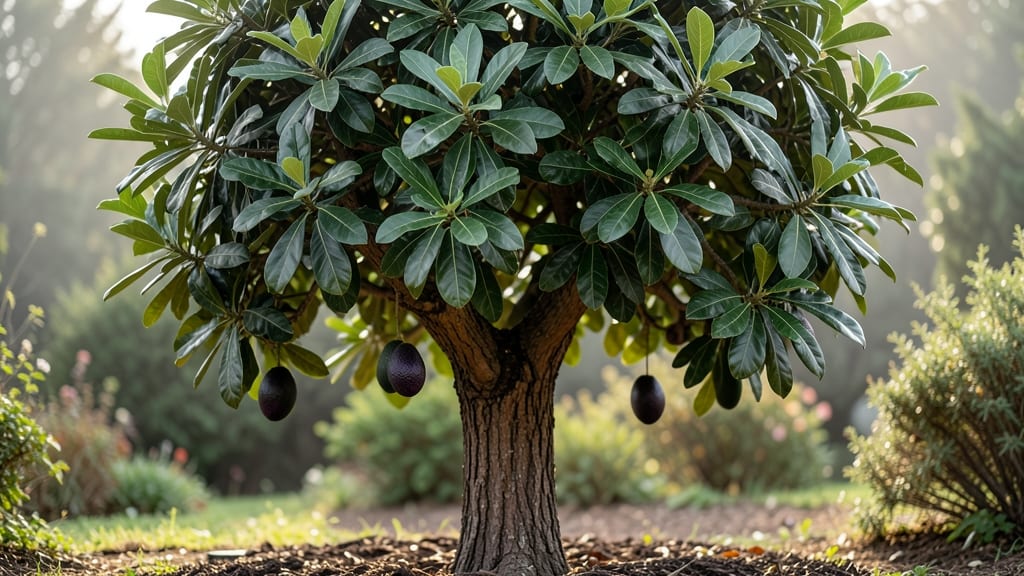
Deciding how tall an avocado tree grows means choosing between a towering backyard giant and a manageable patio plant—because the height range is wildly different depending on the variety and care you provide.
Picture this: a standard Hass avocado tree reaching 50+ feet in your backyard, its broad canopy blocking sunlight for everything else, while a dwarf variety stays under 15 feet—perfect for containers or small gardens. That’s the beauty (and challenge) of avocado trees.
But height isn’t just about the variety. Pruning, sunlight, and even your USDA Zone 6a climate play a huge role in how tall your tree grows. With the right approach, you can keep it compact or let it stretch toward the sky—your call.
In this guide, I’ll break down the exact heights by variety, how to control growth, and whether a container-grown avocado tree can thrive in your space—so you can plan your dream tree without surprises.

Avocado tree height by variety: from dwarf to giant sizes
Choosing an avocado tree variety isn't just about fruit flavor—it's about space planning. A Hass avocado tree in your backyard could reach 50-80 feet if left unpruned, while a dwarf variety might stay under 15 feet.
Understanding these differences helps you decide whether to plant in-ground, in containers, or even indoors. Let’s explore the height ranges of popular varieties so you can pick the perfect fit for your garden.
Most avocado trees fall into three height categories: dwarf (15-25 ft), semi-dwarf (30-50 ft), and standard (50-80 ft). The variety you choose will determine whether your tree becomes a towering centerpiece or a manageable patio plant.
For example, the Reed avocado stays compact at 20-30 feet, making it ideal for smaller yards, while the Bacon avocado can soar to 60 feet or more in ideal conditions.
Here’s a quick comparison of how these varieties stack up in height, canopy spread, and suitability for home gardens versus commercial orchards. This will help you visualize which size works best for your space and goals.
| Variety | Mature Height (ft) | Canopy Spread (ft) | Best For | Notes |
|---|---|---|---|---|
| Hass | 50-80 | 30-50 | Commercial orchards, large backyards | Most popular; needs pruning for home gardens |
| Fuerte | 40-60 | 25-40 | Large properties, semi-dwarf options | Cold-hardy; great for cooler climates |
| Reed | 20-30 | 15-25 | Small yards, containers (with care) | Dwarf variety; slower growth |
| Bacon | 60-80 | 40-60 | Commercial orchards, large estates | Fast-growing; needs ample space |
| Wurtz | 15-25 | 10-20 | Containers, patios, urban gardens | True dwarf; ideal for small spaces |
| Lamb Hass | 30-50 | 20-35 | Medium yards, semi-dwarf options | Cold-tolerant; smaller than standard Hass |
If you’re working with limited space, the Wurtz and Reed varieties are your best bets, topping out at 25 feet or less. These dwarf types can even thrive in large containers (20+ gallons) with proper care, making them perfect for balconies or small patios.
Just remember: even dwarf trees need full sun (6+ hours daily) and well-draining soil to stay healthy and productive.
For home gardeners with more room, the Lamb Hass or Fuerte varieties strike a balance. They’re tall enough to produce abundant fruit but manageable with regular pruning and training.
These trees typically reach 30-50 feet, so they’re ideal for backyards with mature landscaping already in place. Prune in late winter to control height and encourage a
How growing conditions affect avocado tree height (and how to control it)
Avocado trees are fast growers, but their final height depends heavily on growing conditions. In ideal settings, standard varieties can reach 50-80 feet tall, while dwarf varieties stay between 15-25 feet.
The key to controlling height lies in understanding how sunlight exposure, soil quality, watering practices, and pruning techniques interact to shape your tree's growth trajectory.
Most home gardeners underestimate how much pruning frequency and root restriction can influence height. For example, regular topping can reduce a tree's height by 30-50% over time, while container growing with root pruning keeps trees even shorter.
However, neglecting these factors can lead to unmanageable growth—especially in warm climates where trees thrive year-round.
⚠️ Common Mistakes That Stunt or Overgrow Avocado Trees
- Over-pruning weakens branches and reduces fruit production.
- Poor drainage causes root rot, stunting growth entirely.
- Inconsistent watering leads to erratic height spikes or slow growth.
- Ignoring sunlight needs results in leggy, weak trees that grow tall but produce poorly.
✅ Pro Tip: Test soil pH (ideal: 6.0-7.0) and amend with compost to prevent nutrient deficiencies that slow growth.
Sunlight is the most critical factor for controlling height. Avocado trees need 6+ hours of direct sun daily to grow upright and strong. In shady conditions, they become leggy and weak, growing tall but producing sparse foliage.
For container-grown trees, place them in the sunniest spot possible—even on patios, they’ll grow taller than expected if deprived of light.
Soil quality directly impacts root development, which in turn affects height. Well-draining, sandy loam soil with organic matter encourages deep root growth, supporting upright growth. Compact or clay-heavy soils restrict roots, leading to stunted growth or excessive height as the tree stretches toward light.
Always mix in compost or perlite when planting to improve drainage and aeration.
Watering habits play a surprising role in height control. Deep, infrequent watering encourages deep root systems, which promote balanced growth. Shallow watering leads to shallow roots and taller, weaker trees that struggle to support their own weight.
During droughts, avocado trees may grow slower, but overwatering causes root stress, further stunting growth. Aim for 1-2 gallons per week for young trees, increasing as they mature.
To actively control height, use these expert techniques: topping (cutting the main stem to redirect energy to side branches), root restriction (using containers 20% smaller than the root ball), and structural pruning (removing vertical shoots to encourage bushier growth).
For container trees, repot every 2-3 years to prevent root-bound stress, which can cause sudden height spikes as the tree compensates.