
Trees
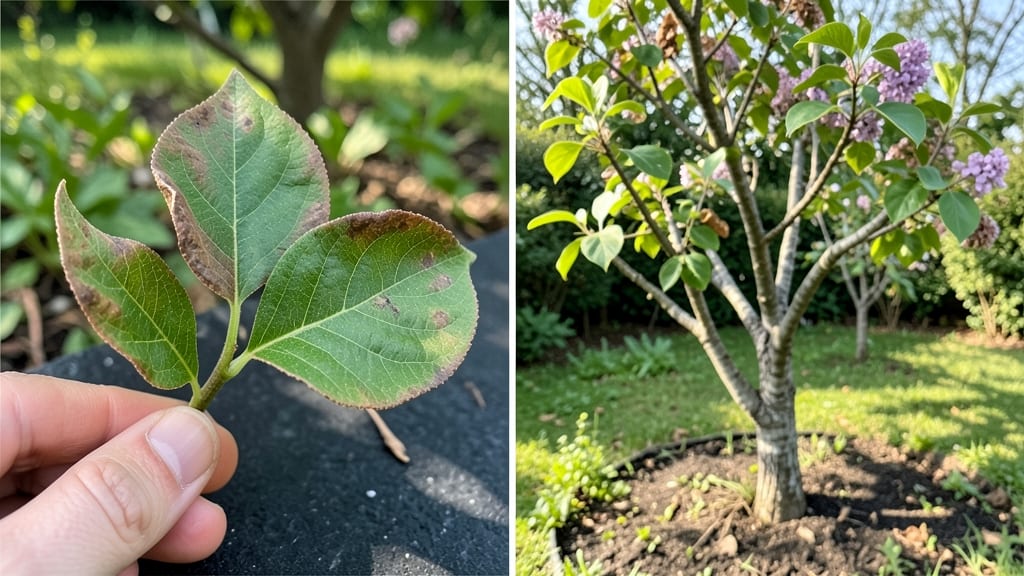
Your lilac tree’s leaves turning brown isn’t just an eyesore—it’s a cry for help. 🌿 After years of watching my lilacs struggle with this exact problem, I’ve cracked the code on what’s really causing the browning and how to bring those glossy green leaves back.
The fix isn’t as complicated as it seems, but it does require knowing whether you’re dealing with drought, disease, or something sneaking under the bark.
Most brown leaves start with a simple fix: watering habits or soil health. I’ve seen lilacs recover completely after adjusting irrigation—deep watering once a week beats frequent shallow watering any day.
But if the browning has yellow patches or black spots, we’re likely dealing with fungal issues like powdery mildew or bacterial leaf spot. The good news? Both respond well to targeted treatments once you identify the culprit.
By the end of this, you’ll have a plan that works for your specific situation—whether it’s pruning out infected branches, applying the right fungicide, or giving your tree the nutrients it’s been missing.
My lilacs now stay vibrant through summer, and the blooms come back bigger than ever. Let’s get those leaves healthy again.
This works for established lilacs in both containers and ground plantings, and I’ll walk you through the step-by-step process so you can spot the difference in just a few weeks. No more guessing—just results.
Understanding Leaf Discoloration Causes
When your lilac tree’s leaves start turning brown, it’s often a cry for help from the plant. 🌿💔 The causes can range from environmental stress to underlying health issues, and pinpointing the exact reason is key to reviving its lush green foliage.
Below, we break down the most common culprits—backed by science—and what they mean for your tree’s well-being.
Lilacs thrive in temperate climates, but extreme heat or prolonged drought can push them over the edge. When soil moisture drops below 30-40%, roots struggle to absorb water, leading to wilting, crispy edges, and brown patches—a condition called necrosis. Here’s why it happens:
- Water Deficiency: Lilacs have shallow roots, making them vulnerable to surface-level dryness. Without consistent water (1-1.5 inches per week), cells in the leaf margins lose turgor pressure and die, turning brown. - Heat Stress: Temperatures above 90°F (32°C) for extended periods cause oxidative damage in leaves.
High heat accelerates water loss, while the plant’s natural defenses (like antioxidant enzymes) get overwhelmed. - Soil Compaction: Compacted or sandy soil drains too quickly, depriving roots of hydration. Test your soil’s moisture by digging 2-3 inches deep—if it’s dry, your lilac is thirsty.
Actionable Fix: Deep watering 2-3 times per week (not daily shallow watering) encourages roots to grow deeper. Mulch with 2-3 inches of organic matter (like shredded bark) to retain moisture and regulate soil temperature.
Too much love can drown your lilac. Soggy soil cuts off oxygen to roots, leading to root rot (Phytophthora or Pythium fungi) and brown, mushy leaves.
Signs include: - Yellowing leaves that turn brown and fall prematurely. - A foul, sour smell at the base of the tree. - Mushy, dark roots when inspected.
Why It Happens:
- Poor Drainage: Lilacs hate "wet feet." Containers or clay-heavy soil trap excess water, suffocating roots.
- Fungal Invasion: Waterlogged conditions create the perfect breeding ground for pathogenic fungi, which block nutrient uptake and clog root cells.
Actionable Fix:
- Improve drainage by amending soil with perlite or compost.
- Avoid overhead watering—use a soaker hose at the base.
- If root rot is suspected, prune affected roots (sterilize tools with rubbing alcohol) and repot in fresh, dry soil.
Brown spots, holes, or a sticky residue (honeydew) on leaves? Pests and diseases are likely culprits. Here’s how they attack:
| Pest/Disease | Symptoms | Scientific Cause |
|---|---|---|
| Japanese Beetles | Skeletonized leaves, brown chew marks | Larvae feed on roots; adults defoliate leaves, exposing them to sun scorch. |
| Aphids | Curled brown leaves, honeydew | Sap-sucking insects inject toxic saliva, stunting growth and spreading sooty mold. |
| Powdery Mildew | White powdery coating, brown patches | Fungal spores (Erysiphe) thrive in humid, shaded conditions, blocking photosynthesis. |
| Bacterial Leaf Spot | Dark brown spots with yellow halos | Xanthomonas bacteria enter through wounds, clogging stomata and disrupting gas exchange. |
Actionable Fix:
- Handpick beetles or blast them off with a strong water spray (early morning).
- Neem oil (1 tsp per gallon of water) disrupts pests’ life cycles—spray weekly for 2 weeks.
- For mildew, prune for airflow and apply baking soda spray (1 tsp baking soda + 1 quart water + drop of dish soap).
Brown leaves can signal a lack of essential nutrients, often due to poor soil quality or imbalanced fertilizers. Here’s what’s missing and why:
- Nitrogen (N) Deficiency: Leaves turn yellow between veins before browning. Lilacs need 0.5-1% nitrogen in soil for chlorophyll production. Over-fertilizing with high-phosphorus (like bone meal) can also cause stress. - Magnesium (Mg) Deficiency: Brown interveinal patches (between veins) appear first on older leaves.
Magnesium is crucial for photosynthesis enzymes—without it, leaves can’t process sunlight. - Potassium (K) Deficiency: Weakens cell walls, leading to brown edges and leaf scorch. Potassium regulates water and nutrient transport—a lack of it makes leaves prone to drought stress.
Actionable Fix:
- Test your soil (DIY kits or lab analysis) to identify deficiencies.
- Amend soil with:
- Compost (for organic matter and slow-release nutrients).
- Epsom salt (1 tbsp per gallon of water, sprayed on leaves) for magnesium.
- Wood ash (sparingly) for potassium—avoid overapplying (raises soil pH).
Herbicides, salt buildup, or even hard water can scorch lilac leaves. Here’s how:
- Salt Burn: From de-icing salts, fertilizers, or tap water with high chloride/sodium. Symptoms include brown leaf tips and a crusty soil surface. - Herbicide Drift: Glyphosate or 2,4-D can bleach leaves if sprayed nearby.
Lilacs are moderately sensitive to systemic herbicides. - Alkaline Soil: pH above 7.5 locks out iron and manganese, causing yellowing between veins that turns brown.
Actionable Fix:
- Flush soil with rainwater to dilute salts.
- Use rainwater or distilled water for irrigation.
- Lower pH with elemental sulfur (1 lb per 100 sq ft) or peat moss.
Even healthy lilacs shed older leaves as part of their life cycle.
If your tree is 10+ years old, brown leaves may signal: - Senescense: Natural aging where chlorophyll breaks down, and leaves turn brown before falling. - Weakened Structure: Older trees have less efficient vascular systems, making them prone to nutrient transport issues.
Actionable Fix:
- Prune dead branches to redirect energy to new growth.
- Fertilize lightly in early spring with a balanced 10-10-10 formula to support renewal.
Revive Your Lilac Tree’s Health
Now that you know the likely causes behind your lilac tree’s brown leaves, let’s tackle the fixes—step by step. Whether it’s disease, pests, or environmental stress, these solutions will help restore your tree’s lush green foliage and vibrant blooms.
Fungal infections thrive in damp conditions, so act fast to prevent spread.
🔥 Step 1: Prune Infected Branches
- Use sterilized pruners (wipe with rubbing alcohol) to remove and dispose of brown or spotted leaves.
- Focus on lower branches first, as fungi often start there.
🍳 Step 2: Apply Fungicide
- Organic option: Mix 1 tsp baking soda + 1 quart water + a few drops of dish soap (spray on leaves).
- Chemical option: Use a copper-based fungicide (follow label instructions).
- Best time to spray: Early morning or late evening to avoid burning leaves.
👨🍳 Step 3: Improve Airflow & Light
- Thin out dense branches to allow sunlight and air to circulate.
- Space plants at least 3–4 feet apart to reduce humidity buildup.
💡 Prevention Tip: ✨ Water at the base (avoid overhead spraying) and water early in the day so leaves dry quickly.
Pests weaken lilacs by sucking sap, leading to browning and stunted growth.
🔪 Step 1: Blast Off Pests with Water
- Use a strong hose spray to knock off aphids and spider mites from leaves.
- Repeat every 3–4 days for severe infestations.
🌡️ Step 2: Introduce Beneficial Insects
- Ladybugs and lacewings eat aphids naturally—buy them online or attract them with neem oil sprays.
- Neem oil spray (1 tbsp neem oil + 1 tsp mild soap + 1 quart water) disrupts pests’ life cycles.
🎯 Step 3: Handpick or Trap Japanese Beetles
- Drop them in soapy water if you spot them chewing leaves.
- Set up traps (but place them far from your lilac—they can attract more beetles).
💡 Prevention Tip: ✨ Install fine mesh netting around young lilacs in early summer to block beetles.
Lilacs hate soggy roots but also suffer in dry soil—balance is key!
🔥 Step 1: Check Soil Moisture
- Stick your finger 2 inches into the soil—if it’s dry, water deeply. If muddy, hold off.
🥘 Step 2: Improve Drainage
- Amend heavy clay soil with compost or sand (mix in a 50/50 ratio).
- Raise the planting area slightly if your yard floods easily.
⏰ Step 3: Water Correctly
- Deep watering (1–2 inches per week) is better than frequent shallow watering.
- Mulch (2–3 inches of wood chips) to retain moisture and regulate temperature.
💡 Prevention Tip: ✨ Test your soil’s pH (ideal: 6.0–7.0 for lilacs)—use a soil test kit from a garden center.
Extreme conditions can scorch leaves—protect your lilac with these tweaks.
🔥 Step 1: Provide Afternoon Shade
- If leaves are bleached or crispy, they’re getting too much hot afternoon sun.
- Install shade cloth (30–50%) temporarily or plant near taller trees for partial shade.
🍳 Step 2: Protect from Late Frosts
- Cover young lilacs with frost cloth if spring frosts are forecasted.
- Avoid pruning in late winter—wait until after blooming to prevent frost damage.
👨🍳 Step 3: Mulch & Water Deeply in Heatwaves
- Mulch keeps roots cool and moist.
- Water at the base (not leaves) to prevent evaporation.
💡 Prevention Tip: ✨ Plant lilacs in a spot with morning sun and afternoon shade—they thrive in partial sun.
Brown leaves can signal nutrient deficiencies—feed your lilac right!
📊 Step 1: Test Soil & Amend as Needed
- Low nitrogen? Use a balanced fertilizer (10-10-10) in early spring.
- Yellow leaves? Likely iron deficiency—apply chelated iron or Epsom salt (1 tbsp per gallon of water).
💪 Step 2: Feed at the Right Time
- Spring (March–April): Light fertilizer after pruning.
- Fall (September): Use a low-nitrogen, high-potassium fertilizer to strengthen roots.
🥗 Step 3: Use Organic Matter
- Compost or well-rotted manure improves soil structure and adds nutrients naturally.
💡 Prevention Tip: ✨ Avoid over-fertilizing—too much salt can burn roots and worsen browning.
Final Thought: Most brown leaf issues are fixable with the right care! Start with pruning, watering adjustments, and fungicide/pest control, then feed and protect your lilac for long-term health. With patience, your tree will bounce back—and next spring, those fragrant purple blooms** will be even more stunning! 🌸
Frequently asked questions
Why do lilac leaves turn brown in hot weather?
Hot weather causes oxidative stress in lilac leaves, leading to browning when temperatures exceed 90°F (32°C) for prolonged periods. The heat accelerates water loss, while the plant's natural defenses struggle to protect leaf cells. Mulching with 2-3 inches of organic matter and deep watering 2-3 times per week helps regulate soil temperature and maintain moisture.
Can overwatering cause brown leaves on lilacs?
Yes! Overwatering leads to root rot from fungal infections like Phytophthora, which blocks nutrient uptake and causes leaves to turn brown and mushy. Check for soggy soil—if it smells foul or feels waterlogged, improve drainage by amending with perlite or compost and water only at the base using a soaker hose.
How do I tell if brown spots are from pests or disease?
Pests like Japanese beetles or aphids create irregular brown patches with visible chew marks or sticky honeydew, while diseases (e.g., powdery mildew) produce white powdery coatings or dark spots with yellow halos. Inspect leaves closely—pests often leave behind webs or tiny insects, while diseases spread in damp conditions.
Will pruning help brown leaves recover?
Pruning removes infected or dead leaves, improving airflow and redirecting energy to healthy growth. Use sterilized tools to cut back 1/3 of the plant in late winter or early spring, focusing on lower branches where fungi often start. Pair pruning with fungicide (like copper-based sprays) for best results.
Can old age cause lilac leaves to turn brown?
Mature lilacs (10+ years old) naturally shed older leaves as part of senescence, but excessive browning may signal weakened vascular systems. Lightly fertilize with a balanced 10-10-10 formula in early spring and prune dead branches to encourage new growth while supporting the tree's aging structure.