
Pruning
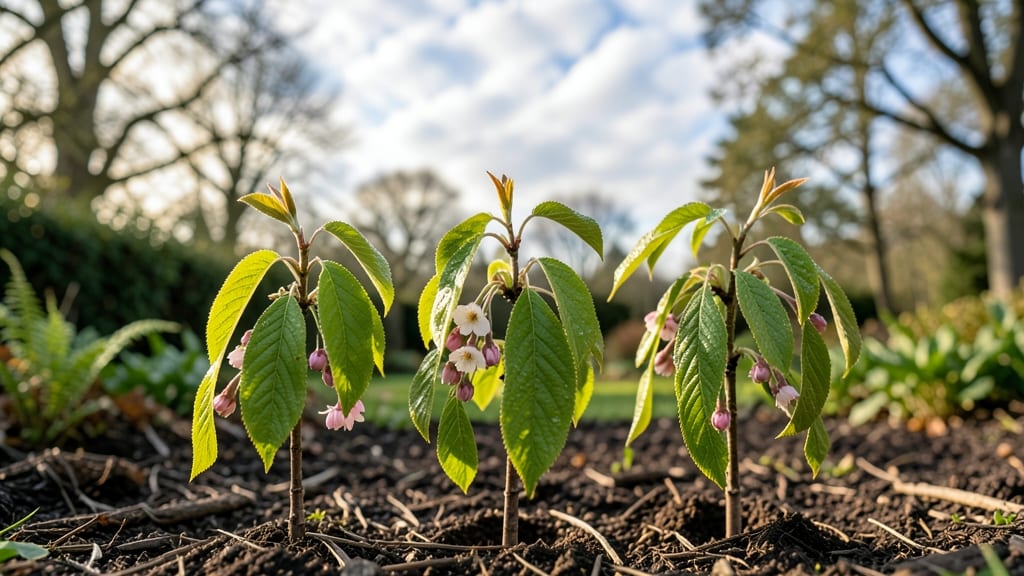
Cold-stratified weeping cherry tree seedlings are the secret to growing those graceful, cascading beauties that turn heads every season. 🌿 I’ve struggled with leggy, weak seedlings before—until I discovered how a simple cold treatment in the fridge transforms weak sprouts into sturdy, vibrant plants ready to thrive outdoors.
The key isn’t just patience; it’s mimicking nature’s own process to break dormancy the right way.
You’ll need just a few things: high-quality seeds (or seedlings), a mix of peat moss and perlite for moisture control, and a patient mindset. Weeping cherries demand good drainage and full sun, but they’re surprisingly adaptable once you get past that first critical year.
The real magic happens when you transplant them—those delicate branches need support, but with the right technique, they’ll fill out into the elegant, weeping forms you’ve always dreamed of.
By the time your seedlings hit spring, you’ll see strong stems and lush foliage that outpaces anything from a nursery. The branches will start their natural weeping habit, creating that dreamy, cascading effect.
With consistent watering and a light hand when pruning, you’re setting them up for decades of beauty—no floppy, sad-looking trees here.
Works for both container growing and in-ground planting, whether you’re in a mild climate or a colder zone. The cold stratification step is the game-changer—skip it, and you’ll end up with weak, slow-growing trees. Let’s get those seedlings sprouting strong!
📚 In This Guide
- What you need
- Instructions
- Tips and common mistakes
- Wrapping up and next steps
What you need
- ● Weeping cherry tree seeds: 10–20 seeds (ensure they’re fresh or cold-stratified for best results).
- ● Cold-stratification supplies: Ziploc bag or breathable seedling tray
- ● Moistened paper towels or peat moss (enough to surround seeds)
- ● Refrigerator with a crisper drawer (or a cold stratification kit)
- ● Growing medium: Seed-starting mix (sterilized, well-draining) – 1 small bag (1–2 cubic feet)
- ○ Optional: Perlite or vermiculite (for aeration, 1 small bag)
- ● Containers: Seedling trays with drainage holes (6–12 cell count)
- ○ Optional: Biodegradable pots (for transplanting)
- ● Tools: Spray bottle (for gentle watering)
- ● Small hand trowel (for transplanting)
- ● Plant labels & marker (to track seedlings)
- ● Location: Bright, indirect light (e.g., a sunny windowsill or grow light setup).
- ● Temperature: Cold stratification: 33–41°F (1–5°C) for 60–90 days.
- ● Germination: 68–77°F (20–25°C) after stratification.
- ● Humidity: High humidity (use a humidity dome or plastic wrap for seedlings).
- ● Patience: Germination can take 4–12 weeks—stay consistent! 💡
- ● Grow light (LED or fluorescent, for extended daylight)
- ● Fertilizer (balanced 10-10-10 or fish emulsion, diluted to half-strength)
- ● Mulch (straw or shredded leaves for moisture retention)
- ● Outdoor hardening-off supplies (shade cloth, stakes for support)
How to cold-stratify weeping cherry tree seedlings for reliable germination
Cold-stratifying weeping cherry seeds unlocks their natural dormancy—here's how to do it right.
🌱 Step 1: Collect and Prepare the Seeds
Harvest seeds from fully ripe weeping cherry fruit in late fall or winter. Remove the pit and clean off any remaining pulp, then let it dry completely for 2-3 days at room temperature. This prevents mold during stratification. I like to soak them in lukewarm water for 24 hours first—this softens the hard outer shell and speeds up the process later.
Once dry, store the seeds in a sealed container with a damp paper towel. The towel should feel slightly moist but not dripping—think of a wrung-out sponge. This mimics the natural moisture balance the seeds need before cold treatment. Label your container with the date to track stratification time.
❄️ Step 2: Cold-Stratify for 60-90 Days
Place the sealed container in your refrigerator's crisper drawer, where temperatures hover around 35-40°F. This mimics winter's natural chilling period, breaking dormancy. I set a reminder for 60-90 days—this range accounts for slight temperature variations in different fridges.
Check the seeds every 2 weeks. If the paper towel dries out, add a few drops of water and reseal. You'll know stratification is working when the seed coat softens slightly—it should dent when pressed gently with your thumbnail. This is the moment they're ready to sprout.
🌿 Step 3: Sow Stratified Seeds in Germination Mix
Fill small pots with a sterile seed-starting mix (never garden soil—it's too dense). Plant each seed ½ inch deep in its own cell or pot. Weeping cherry seeds are sensitive to crowding, so give them space. I use 2-inch pots for each seed to prevent root competition.
Water gently until the soil surface is damp but not soggy. Cover the pots with clear plastic wrap to retain humidity, then place them in a warm spot (65-75°F). Germination usually takes 2-4 weeks, but some seeds may take longer—patience is key here. You'll see the first true leaves emerge as tiny, rounded cotyledons.
☀️ Step 4: Provide Light and Gradual Acclimation
Once seedlings appear, remove the plastic wrap immediately to prevent damping-off. Move them under bright, indirect light for the first week, then gradually introduce 4-6 hours of morning sun daily. Weeping cherries need light to prevent leggy growth, but too much direct sun too soon can scorch tender leaves.
After 4 weeks of growth, when seedlings have 2-3 sets of true leaves, transplant them into 4-inch pots with fresh potting mix. This step encourages stronger root development before they face outdoor conditions. You'll notice new growth within 10-14 days after repotting.
🪴 Step 5: Harden Off Before Outdoor Planting
Two weeks before your last frost date, start hardening off seedlings by placing them outside in a sheltered spot for 1-2 hours daily. Gradually increase exposure over 10-14 days, ending with full sun. Weeping cherries are sensitive to temperature swings, so avoid sudden changes.
Plant outdoors after all danger of frost has passed, choosing a location with full sun and well-draining soil. The first year, focus on root establishment—you'll see the iconic weeping branches develop over time. Mulch around the base to retain moisture and protect young roots from temperature fluctuations.
Tips & tricks for perfect weeping cherry tree seedlings
Mastering the cold-stratification process transforms stubborn weeping cherry seeds into thriving seedlings—here's how to avoid common pitfalls.
Seed Preparation Matters: The 24-hour lukewarm water soak in Step 1 is non-negotiable for breaking the seed's hard shell. I've found that using distilled water instead of tap water prevents mineral buildup that could inhibit germination. After soaking, pat the seeds completely dry before refrigeration—any moisture trapped with them risks mold during the 60-90 day cold period. This step ensures your seeds enter dormancy in optimal condition.
Temperature Consistency is Critical: The 35-40°F range in your refrigerator's crisper drawer is ideal, but not all fridges maintain this perfectly. I recommend placing a thermometer inside the container during stratification to monitor temperatures. If your fridge runs warmer, you may need to extend the cold period slightly—some seeds need up to 120 days of chilling. The seed coat softening when pressed with your thumbnail is your clearest indicator that stratification is working.
Germination Environment Secrets: When sowing in Step 3, I've had best success using a sterile seed-starting mix with added perlite (20% perlite to 80% mix) for improved drainage. The 2-inch pots create just enough space for root development without crowding, but if you're working with multiple seeds, consider using a seedling tray with individual cells. After planting, water from the bottom by placing pots in a tray of water for 10 minutes—this prevents soil compaction that can suffocate young roots.
Light Transition Strategy: The gradual light acclimation in Step 4 is where many seedlings fail. Start with artificial grow lights if natural light is insufficient, especially in winter months. I place my seedlings under a T5 fluorescent grow light for 12 hours daily during the first week, then gradually increase natural sunlight exposure. Watch for leaves that look pale or elongated—these are signs of insufficient light or too much direct sun too soon.
Pro Tips for Weeping Cherry Tree Seedlings
- Mastering the cold-stratification process transforms stubborn weeping cherry seeds into thriving seedlings—here's how to avoid common pitfalls.
- Seed Preparation Matters: The 24-hour lukewarm water soak in Step 1 is non-negotiable for breaking the seed's hard shell.
- Temperature Consistency is Critical: The 35-40°F range in your refrigerator's crisper drawer is ideal, but not all fridges maintain this perfectly.
Frequently asked questions
Got questions about nurturing weeping cherry tree seedlings? You’re not alone! Here are some of the most common concerns—plus quick, practical answers to keep your seedlings thriving.
What’s the best time to plant weeping cherry seedlings?
For cold-stratified seedlings, plant in early spring (after the last frost) or fall (6-8 weeks before your first frost). This gives roots time to establish before extreme temperatures. Avoid planting in summer heat, which stresses young roots. If you’re in a mild climate, fall planting is ideal—just cover seedlings with mulch for winter protection!
Do I need to cold-stratify store-bought weeping cherry seedlings?
Not always! Many nurseries sell pre-stratified seedlings (or even potted ones) that skip this step. Check the packaging—if it says “ready to plant,” you’re good to go. However, if you’re starting from raw seeds or unstratified cuttings, 60–90 days in the fridge (moist sand/paper towels) mimics winter and boosts germination rates.
Why aren’t my weeping cherry seedlings sprouting after stratification?
Patience is key—some varieties take 4–8 weeks to germinate post-stratification. If nothing happens after 2 months, check these fixes:
- Moisture: Keep soil consistently damp (not soggy).
- Temperature: Ideal germination range is 60–70°F.
- Light: Place seeds in bright, indirect light (no direct sun yet!).
- Viability: Test a few seeds in warm water—if they sink, they’re likely still viable.
Can I grow a weeping cherry tree from a cutting instead of seedlings?
Take 6–8 inch semi-hardwood cuttings in late summer/early fall, dip in rooting hormone, and plant in a mix of perlite and peat. Keep them in indirect light and high humidity (use a plastic bag or propagator). Roots usually form in 3–6 months. Pro tip: Weeping cherries root more easily from softwood (new growth) cuttings in spring!
What pests should I watch for in young weeping cherry seedlings?
Watch for:
- Aphids: Tiny green/black bugs on new leaves (spray with soapy water).
- Japanese beetles: Skeletons leaves—handpick or use neem oil.
- Spider mites: Webbing on undersides (increase humidity).
- Caterpillars: Chewed leaves (use Bt bacteria for organic control).
Pro Tip: Label your seedlings!
Weeping cherries have hundreds of cultivars (e.g., ‘Kanzan,’ ‘Okame’). Use waterproof tags with variety names and planting dates to avoid mix-ups—especially if you’re experimenting with multiple types!
Wrapping up and next steps
Growing weeping cherry tree seedlings from cold-stratified sprouts is a rewarding journey that brings year-round beauty to your garden. With the right preparation—like proper soil, patience, and gentle care—you’ll nurture delicate, graceful branches that thrive in any season. 🌸
Now that you’re armed with tips and answers, take the next step: grab those seedlings, roll up your sleeves, and give them the love they deserve.
Whether you’re a seasoned gardener or a curious beginner, your weeping cherry’s future starts with you—so plant with confidence and watch your garden bloom! 🌱