Container Gardens
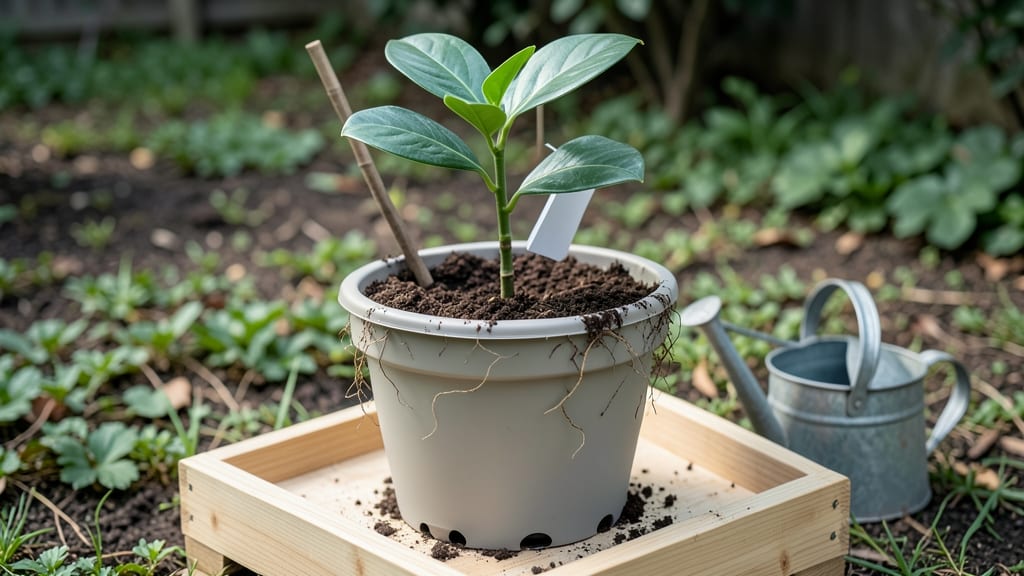
Plastic tree pots let you grow full-sized citrus, fruit trees, or bonsai without the weight of clay—and they last through years of seasonal moves. 🌳 I’ve used them to overwinter lemon trees and grow oak saplings, and the difference in durability compared to flimsy nursery pots is night and day.
The right pot prevents root binding, supports wind resistance, and even helps with transplant shock when it’s time to set roots in the ground.
For trees, size matters: shallow-rooted citrus need 5-gallon pots with 12-inch depth, while deep-rooted fruit trees require at least 15-gallon containers with 18-inch depth to avoid circling roots. Look for pots with vented sides—they improve aeration and reduce root rot, which is a silent killer for container trees.
Heavy-duty plastic (like 50-mil thickness) won’t crack in winter freezes or buckle under summer sun.
Transplanting becomes foolproof when you prep the pot right: add drainage holes if missing, use well-draining soil mix (60% potting soil, 30% perlite, 10% compost), and water deeply 24 hours before moving.
The secret? A root-pruning knife to tease out circling roots—this boosts growth after transplanting. By late spring, your tree will be establishing roots like it’s been in the ground for years.
Pro tip: Mark your pots with watering dates (every 7–10 days for mature trees) and seasonal care notes—this saves you from overwatering or forgetting winter protection. With the right pot, your trees won’t outgrow their containers, and you’ll avoid the heartbreak of stunted growth or root rot.
Ready to grow bigger trees in smaller spaces?
📚 In This Guide
- What you need
- Instructions
- Tips and common mistakes
- Wrapping up and next steps
What you need
- ● Tree Plastic Pots: 3–10 pots (depending on your garden size)
- ● Recommended sizes: 6"–12" diameter (for herbs/flowers) or 12"–18" (for shrubs/trees)
- ● Material: Lightweight, UV-stabilized polypropylene or recycled plastic (look for drainage holes!)
- ● Potting Soil: 1–2 bags (1–2 cubic feet per pot, depending on size)
- ● Type: Well-draining mix (e.g., 60% peat/compost, 30% perlite, 10% vermiculite)
- ● Drainage Layer: Small gravel, pebbles, or broken pottery shards (½" layer per pot)
- ● Plants: Seedlings or mature plants (check root-ball size vs. pot depth)
- ● Basic Tools: Garden gloves
- ● Trowel or small shovel
- ● Watering can (with a fine rose nozzle)
- ○ Optional (But Helpful!): Pot saucers (to catch runoff)
- ● Fertilizer spikes or liquid fertilizer
- ● Mulch (for moisture retention)
- ● Plant labels (if tracking varieties)
- ● ✅ A sunny or partially shaded spot (check plant light needs!)
- ● ✅ Access to water (a hose or watering setup nearby)
- ● ✅ Basic knowledge of your plants’ water/fertilizer needs (or a cheat sheet handy!)
Step-by-Step guide to maximizing tree plastic pots for container gardening
These sturdy, lightweight containers are my go-to for everything from seedlings to mature shrubs.
🪴 Step 1: Select the Right Size and Depth for Your Plants
Match pot size to root system—small trees need 10-15 gallon pots, while shrubs thrive in 5-7 gallon containers. I always check the manufacturer's weight limits, especially for windy locations. The deeper the pot, the more stable the plant—root systems anchor better in 18+ inch deep containers.
Look for pots with multiple drainage holes (at least 4) to prevent root rot. If your pot has only one, drill additional holes—just cover them with mesh to keep soil in place. The wider the diameter, the more space roots have to spread, which translates to healthier plants.
☀️ Step 2: Position Pots for Optimal Sunlight and Airflow
Tree plastic pots need full sun (6+ hours daily) for most species, but adjust based on your plants. I place pots on casters near a south-facing window in winter, then roll them outside as temperatures rise. The black plastic absorbs heat, so avoid placing them directly on pavement—use elevated stands or saucers.
Space pots 12-18 inches apart for airflow. Crowding leads to fungal issues, and trees need room for their canopies to develop. If you're growing in a windy area, anchor pots with stakes or plant them near a windbreak—plastic pots can tip easily when full of water.
💧 Step 3: Water Deeply and Establish a Consistent Schedule
Plastic pots dry out faster than ceramic or fabric, so I water mine when the top 2 inches of soil feel dry. Stick your finger in—if it comes out clean, it's time. Deep watering (until it drains from the bottom) encourages roots to grow downward rather than circling.
Mulch the surface with 1-2 inches of organic mulch to retain moisture and regulate temperature. I use shredded bark or straw, keeping it 2 inches away from the trunk to prevent rot. Overwatering is the #1 killer—plastic pots don't breathe like natural soil, so they hold moisture longer than they appear.
✂️ Step 4: Fertilize and Prune for Long-Term Health
Use a slow-release fertilizer at planting, then top-dress with compost every 3-4 months in spring and summer. Trees in pots are hungry—they can't reach nutrients like in-ground plants. I avoid liquid fertilizers unless the leaves show deficiency (yellowing between veins means it's time for iron).
Prune in late winter to remove dead branches and shape the tree. Plastic pots restrict root growth, so I prune back 20-30% of new growth annually to maintain balance. Always sterilize pruners with rubbing alcohol between cuts to prevent disease spread.
⏰ Step 5: Overwinter and Extend the Growing Season
Move pots to a sheltered location before 32°F temperatures. I wrap the pots in bubble wrap and add extra mulch to insulate roots. Evergreens need winter watering—check soil moisture monthly, even in dormancy. Plastic pots can crack in freezing temps, so never leave them outdoors if your winters drop below 10°F.
In early spring, I repot trees that outgrow their containers—plastic pots are lightweight, making this easy. Choose a pot just 2 inches larger in diameter to avoid shocking the roots. The key is gradual adjustment: never move a tree from a 5-gallon to a 25-gallon pot in one season.
Tips & tricks for perfect tree plastic pot gardening
These practical insights will help you avoid common pitfalls and maximize your container gardening success with plastic pots.
Pot Selection Strategy: When choosing between 10-15 gallon pots for small trees and 5-7 gallon containers for shrubs, prioritize depth over diameter. The 18+ inch depth mentioned in Step 1 creates a more stable base for roots to anchor—this is especially critical for wind-prone areas. I always double-check manufacturer weight limits to prevent tipping, particularly with full pots.
Drainage Hack: If your plastic pot has fewer than 4 drainage holes, create additional holes using a heated nail or drill bit. Cover the enlarged holes with landscape fabric to prevent soil loss while maintaining proper drainage. This simple modification prevents root rot, which is the #1 killer of container-grown trees. I've saved multiple plants by implementing this fix after noticing yellowing leaves from waterlogged roots.
Heat Management: The black plastic absorbs heat rapidly, which can scorch roots during summer months. To mitigate this, place pots on elevated stands or use reflective saucers underneath. I also recommend moving pots to shaded areas during peak afternoon sun (12-4 PM) when temperatures exceed 85°F. This prevents heat stress while maintaining the full sun exposure they need for optimal growth.
Winter Protection: When preparing for temperatures below 32°F, don't just move pots to sheltered locations—wrap them in bubble wrap or use insulated plant wraps. I've found that adding an extra layer of mulch (up to 3 inches) around the base provides critical insulation. For extreme cold below 10°F, consider moving pots indoors to a garage or unheated basement where temperatures stay above freezing.
Pro Tips for Tree Plastic Pots
- These practical insights will help you avoid common pitfalls and maximize your container gardening success with plast...
- Pot Selection Strategy: When choosing between 10-15 gallon pots for small trees and 5-7 gallon containers for shrubs,...
- Drainage Hack: If your plastic pot has fewer than 4 drainage holes, create additional holes using a heated nail or dr...
Frequently asked questions
Got questions about using tree plastic pots for your container garden? You’re not alone! Here are some of the most common concerns—and their straightforward answers—to help you garden with confidence.
Are tree plastic pots safe for plants?
These pots are made from 100% recycled plastic (often from tree branches or wood fibers) and are non-toxic, BPA-free, and chemical-free. They’re designed to mimic the breathability of natural materials while preventing root rot—just ensure they’re labeled "plant-safe" before use.
Do tree plastic pots drain water well?
Yes, but check for drainage holes first! Many tree plastic pots come with pre-drilled holes, but if yours don’t, use a drill (with a small bit) to add them. For extra insurance, add a layer of gravel or perlite at the bottom to improve airflow and prevent soggy roots.
Can I reuse tree plastic pots year after year?
Definitely! These pots are built to last—resistant to cracking, fading, and warping from sun or frost. After use, clean them with soapy water and a scrub brush to remove debris. Store them in a dry place, and they’ll be ready for your next planting season.
What’s the best way to transition plants from tree plastic pots to the ground?
Tree plastic pots are lightweight, but water them thoroughly before transplanting to reduce shock. Gently squeeze the sides to loosen the root ball, then slide the plant out. If roots are circling, trim them lightly with clean scissors. Plant at the same depth as the pot, and mulch around the base to retain moisture.
Are there alternatives if I don’t want plastic pots?
If you prefer eco-friendly non-plastic options, consider:
- Coconut coir pots: Biodegradable and great for seedlings.
- Terracotta pots: Classic and breathable, but heavier.
- Fabric grow bags: Lightweight and reusable (though less structured).
Wrapping up and next steps
Tree plastic pots are a game-changer for gardeners seeking lightweight, durable, and eco-friendly solutions for year-round container gardening. Their versatility, weather resistance, and ease of use make them perfect for both beginners and seasoned plant lovers.
Whether you're growing herbs, flowers, or veggies, these pots offer the ideal balance of functionality and style—without breaking the bank!
Ready to elevate your gardening game? 🌱 Start by choosing the right size and material for your plants, then experiment with designs that match your space. Your green thumb is just a pot away!