
Pruning
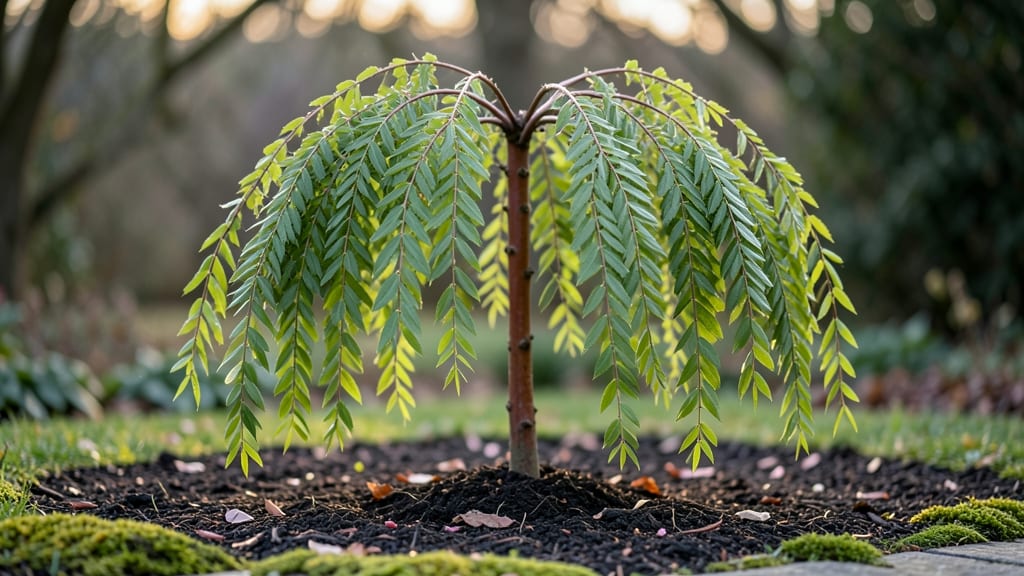
Your weeping cherry tree sapling will grow into a stunning, cascading masterpiece—if you prune it right from the start. 🌸 The secret isn’t just cutting branches; it’s shaping the tree’s natural grace while encouraging that lush, year-round canopy you love.
I’ve pruned mine every winter for five years, and the difference between a wild tangle and a graceful fountain is all in the technique.
Begin with the basics: sharp pruning shears, a clean workspace, and a clear goal. You’ll need 30 minutes in late winter (before buds swell) to remove dead wood, thin crowded branches, and guide the tree’s shape.
Weeping cherries respond beautifully to light pruning—never cut more than 25% of the canopy at once. The key is opening the center to sunlight while preserving those delicate, arching branches.
By summer, you’ll see the payoff: vibrant new growth where you made cuts, and a canopy that drapes elegantly rather than clumps awkwardly. The tree will reward you with spring blossoms, summer shade, and autumn color—all while staying healthy.
Even if you miss a year, it bounces back faster than you’d expect.
Outdoor trees thrive in full sun and well-draining soil, while container-grown saplings need winter protection. Avoid heavy pruning in fall (it invites disease) and never top the tree—it’ll sprout ugly water sprouts. With patience, your weeping cherry will become the centerpiece of your garden, spilling beauty in every season.
📚 In This Guide
- What you need
- Instructions
- Tips and common mistakes
- Wrapping up and next steps
What you need
- ● Weeping cherry tree sapling (Prunus serrulata 'Pendula' or similar) – Ensure it’s healthy, 2–5 years old, and planted in well-draining soil.
- ○ Pruning shears – Bypass pruners (for clean cuts on small branches, ¼"–½" thick). Optional: Loppers (for thicker branches, ½"–1½" thick).
- ● Hand pruners – For delicate trimming of tiny branches or suckers.
- ● Disinfectant (70% isopropyl alcohol or bleach solution) – 1 part bleach to 9 parts water (to sterilize tools and prevent disease).
- ○ Pruning sealant (optional) – For sealing cuts larger than ½" (e.g., Tanglefoot Tree Wound Pruning Sealer).
- ● Gloves – Heavy-duty, cut-resistant gloves (to protect from thorns and sap).
- ● Safety glasses – To shield eyes from debris.
- ● Ladder or step stool – If your sapling is taller than 6 feet (ensure it’s stable and rated for your weight).
- ● Sharpie or labeling tape – For marking branches to remove (if planning ahead).
- ● Trash bag or bucket – For collecting pruned branches and debris.
- ○ Water and small spray bottle (optional) – To mist cuts on hot days and reduce stress.
- ● Timing: Prune during dormant season (late winter/early spring, before buds swell) or lightly after flowering (avoid heavy pruning in summer).
- ● Weather: Choose a calm, overcast day to minimize stress on the tree.
- ● Research: Familiarize yourself with your sapling’s growth habits—weeping cherries respond best to structured, gradual shaping.
- ● Safety first: Avoid pruning during wet or windy conditions to prevent slips or disease spread.
Instructions for pruning a weeping cherry tree sapling
Here’s how to shape your young weeping cherry into a stunning, balanced tree that blooms beautifully every spring.
✂️ Step 1: Identify the Central Leader and Main Branches
Start by locating the central leader—the strongest, upward-growing stem. This will be your tree’s main trunk. Weeping cherries naturally grow with pendulous branches, so look for the 3-5 strongest lateral branches emerging from the trunk at wide angles (ideally 45-60 degrees). These will become your scaffold branches.
Use your pruning shears to make a clean cut just ½ inch above a bud on the central leader if it’s too tall or leggy. This encourages bushier growth. Skim off any crossing or inward-growing branches now—they’ll compete with your chosen scaffold limbs and weaken the tree’s structure.
✂️ Step 2: Shape the Canopy for Balance and Airflow
Step back and visualize your tree’s final shape. Weeping cherries should have a pyramidal or vase-like form, with branches spreading outward and downward. Use your pruners to shorten the longest branches by ⅓ to encourage branching at the ends. Cut just above an outward-facing bud to guide new growth in the right direction.
Remove any suckers (shoots growing from the base) or water sprouts (fast-growing vertical shoots) immediately. These drain energy from your tree’s canopy. Aim for even spacing between branches—about 8-12 inches apart—to ensure sunlight reaches all parts of the tree. Thin out crowded areas to improve airflow, which reduces disease risk.
☀️ Step 3: Refine the Weeping Habit and Encourage Blooms
Weeping cherries are prized for their graceful, cascading branches, so focus on lengthening the pendulous limbs while keeping them evenly distributed. If a branch is growing too upright, cut it back to a side bud to redirect growth downward. For branches that are too long, make a heading cut just above a bud to promote bushier, more compact growth.
Pay special attention to the outermost tips of branches—they’ll produce the most flowers. If you notice bare spots where buds aren’t forming, lightly prune the opposite side of the branch to encourage new growth. Avoid heavy pruning in late summer or fall, as this can stimulate tender new growth that won’t harden off before winter.
⏰ Step 4: Clean Up and Prepare for Next Season
After pruning, sterilize your tools with rubbing alcohol to prevent spreading disease. Remove all clippings from the base of the tree to keep the area clean and reduce pests. If your tree has dead or diseased branches, bag and dispose of them immediately—don’t compost them.
Apply a layer of mulch (2-3 inches thick) around the base, keeping it 6 inches away from the trunk to prevent rot. Water deeply to help the tree recover from pruning stress. Mark the pruning cuts with a waterproof tag if needed, so you remember which branches to monitor for new growth in the coming year.
Tips & tricks for pruning a weeping cherry sapling
Transforming your young weeping cherry into a showstopping specimen takes patience—and these insider tricks will help you avoid common pitfalls.
Branch Angle Matters: When selecting those 3-5 scaffold branches in Step 1, aim for angles between 45-60 degrees from the trunk. Branches growing at narrower angles (less than 30 degrees) are more prone to breaking under the weight of spring blossoms. If you spot a branch growing too upright, make a heading cut just above a side bud to encourage it to grow outward next season.
The ⅓ Rule for Canopy Shaping: In Step 2, when shortening branches by one-third, remember this visual cue: imagine dividing the branch into three equal sections. Cut at the first third from the trunk—this creates the perfect balance between maintaining structure and encouraging new growth. For branches longer than 3 feet, you might need to make two heading cuts spaced 6-12 inches apart to achieve that elegant weeping cascade.
Pruning Timing Secret: Late winter (just before buds swell) is ideal for pruning weeping cherries, but if you missed that window, early spring works too. Avoid pruning after early summer—new growth won't have time to harden off before winter. Pro tip: If you must prune in fall, do it at least 6 weeks before your first frost to allow wounds to heal properly.
Tool Care That Saves Trees: After Step 4, take an extra 30 seconds to wipe down your pruning shears with a damp cloth and apply a light coat of mineral oil to the blades. Clean tools prevent disease transmission between cuts. I also keep a small bottle of rubbing alcohol handy to sterilize blades between each cut on diseased branches—it's the best insurance against spreading fungal infections.
Pro Tips for Weeping Cherry Tree Sapling
- Transforming your young weeping cherry into a showstopping specimen takes patience—and these insider tricks will help you avoid common pitfalls.
- Branch Angle Matters: When selecting those 3-5 scaffold branches in Step 1, aim for angles between 45-60 degrees from the trunk.
- The ⅓ Rule for Canopy Shaping: In Step 2, when shortening branches by one-third, remember this visual cue: imagine dividing the branch into three equal sections.
Frequently asked questions
Got questions about nurturing your weeping cherry tree sapling? You’re not alone! Here are answers to the most common queries—from pruning timing to troubleshooting—so you can keep your tree thriving with minimal stress.
When is the best time to prune a weeping cherry sapling?
The ideal time is late winter or early spring (just before buds swell) to encourage healthy growth. Avoid pruning in fall—it can stimulate late-season growth vulnerable to frost damage. For minor shaping, summer pruning is fine, but keep it light to avoid stressing the tree.
How much can I trim off without harming the sapling?
For young saplings, limit pruning to no more than 15-20% of the canopy per year. Focus on removing dead, crossing, or overcrowded branches first. Over-pruning can stunt growth or invite disease—think of it as a gentle haircut, not a buzz cut!
Why are my weeping cherry leaves turning yellow or brown?
Yellowing leaves often signal overwatering, nutrient deficiency, or fungal issues. Check soil moisture (it should be damp but not soggy) and ensure proper drainage. Brown edges? It could be underwatering or salt buildup from tap water. Treat fungal spots with neem oil if needed.
Can I grow a weeping cherry tree from a cutting instead of buying a sapling?
Yes, but success is hit-or-miss—cherry trees root poorly from cuttings compared to grafted saplings. If you try, use softwood cuttings in summer, dip in rooting hormone, and keep them in a humid, shaded environment. For reliability, stick with a nursery-bred sapling with a proven graft.
How long does it take for a weeping cherry sapling to develop its signature weeping shape?
Patience is key! With proper pruning, you’ll see early hints of the weeping form in 2–3 years, but full grace takes 5–7 years. Regularly trim to encourage downward growth—focus on selective branch thinning and avoid heavy topping, which can ruin the natural silhouette.
Wrapping up and next steps
Growing a weeping cherry tree sapling into a stunning, year-round centerpiece is all about patience, precision, and love—just like nurturing any living masterpiece! 🌸 By mastering the art of strategic pruning, you’re not just shaping branches; you’re cultivating a graceful, healthy tree that will reward you with cascading blooms and lush foliage for decades.
Whether you’re a seasoned gardener or a curious beginner, every trim brings you closer to that dreamy, weeping silhouette.
Ready to take the next step? Start small—pick one branch to practice your cuts, then gradually expand your pruning confidence. Before you know it, your weeping cherry will be the envy of the neighborhood! 🌿 Happy pruning!