
Pruning
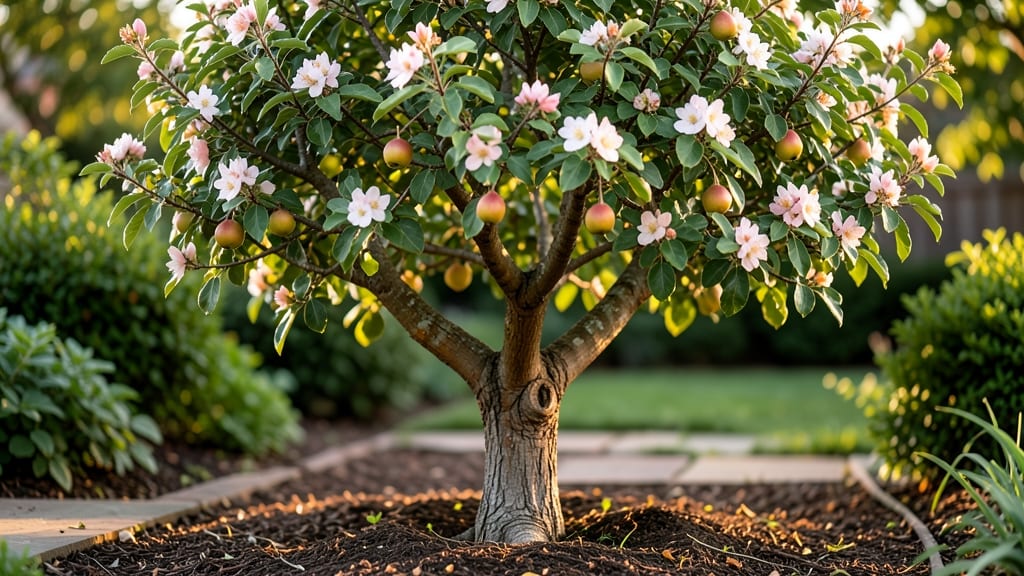
Oriental pear tree care transforms your tangled mess into a productive, fruit-laden beauty. 🌿 I’ve watched these trees go from struggling branches to bursting with sweet pears—all by following a few key rules about when, how, and why to prune. The difference between a tree that gives up in summer and one that thrives year-round often comes down to these cuts.
Oriental pears need well-draining soil, full sun (6+ hours daily), and pruning at the right time—late winter or early spring before buds swell. Over-pruning weakens them, while neglect lets branches crowd out sunlight and fruit.
The goal? Open the canopy to let air and light reach the center, where most pears form. Start with 20-30% of the tree’s branches in the first year, and adjust based on growth.
You’ll see the payoff in juicier fruit, fewer diseases, and a tree that looks like it belongs in a orchard, not your backyard. The key is patience—these trees reward long-term care with decades of harvests.
Even if you’ve struggled before, this method works for both new plantings and mature trees. Let’s get those pruners sharp and those branches trimmed.
From winter dormancy to summer fruiting, each season demands a different approach. Spring pruning sets the stage for fruit, summer pruning corrects overgrowth, and fall pruning preps for winter storms. Mistakes? I’ve made them all—like pruning too late, which invites pests, or cutting back too hard, which stunts growth.
But with these steps, your tree will thank you with bushels of pears and a sturdy structure.
📚 In This Guide
- What you need
- Instructions
- Tips and common mistakes
- Wrapping up and next steps
What you need
- ● Pruning shears: Sharp, bypass-style shears (for cuts up to ½-inch thick). Quantity: 1 pair
- ● Loppers: Bypass loppers for branches ½–1½ inches thick. Quantity: 1 pair
- ● Pruning saw: Curved-tooth saw for thicker branches (1½+ inches). Quantity: 1
- ● Disinfectant: 70% isopropyl alcohol or bleach solution (1 part bleach to 9 parts water) to sterilize tools.
- ● Gloves: Heavy-duty, cut-resistant gloves for safety.
- ○ Tree wound paint: (Optional but helpful for large cuts) Pruning sealant to prevent disease.
- ● Ladder or step stool: For reaching higher branches safely.
- ● Trash bags: For collecting pruned branches and debris.
- ● Extension pole: For hard-to-reach branches (10–15 feet long).
- ● Pruning rope: For supporting heavy branches during pruning.
- ● Garden hose: For rinsing tools post-pruning.
- ● Notebook & pen: To track pruning notes (dates, cuts made, etc.).
Strategic pruning for oriental pear tree health
Oriental pears thrive with the right pruning rhythm—here’s how to keep them productive and pest-resistant year-round.
✂️ Step 1: Winter Pruning for Structure and Airflow
Start in late winter while the tree is still dormant, ideally between January and early March when temperatures stay below 40°F. This is when you’ll see the tree’s natural framework most clearly. Remove dead, diseased, or crossing branches first—they’re easy to spot with their dark, brittle wood or fungal growths.
Next, thin out branches that rub against each other. These create wounds that invite bacterial infections. Cut back to the collateral bud (the one facing outward) to encourage new growth in the right direction. I always make cuts at a 45-degree angle just above a bud, about ¼ inch above it, to prevent water from pooling and rotting the stem.
🌿 Step 2: Summer Pruning to Control Growth and Fruit Load
Between June and early July, focus on light pruning to manage vigor and improve fruit quality. Remove any suckers (vigorous shoots growing from the base or trunk) and water sprouts (vertical shoots with no fruit potential). These steal energy from the main branches and reduce your harvest.
Thin out clusters of fruit to leave 6-8 inches between each pear—this ensures larger, higher-quality fruit. You’ll see the tree’s natural fruiting spurs (short, stubby branches) where pears form. Avoid cutting these spurs unless they’re diseased, as they’re the tree’s fruit-producing engines.
☀️ Step 3: Post-Harvest Cleanup and Disease Prevention
After harvest in late August or September, remove all fallen leaves, fruit, and debris from under the tree. These can harbor fire blight bacteria and other pathogens over winter. I use a sterilized pruner (wiped with rubbing alcohol) to cut out any branches showing signs of blackened cankers or oozing sap—these are classic fire blight symptoms.
Apply a copper fungicide spray if your region has a history of fire blight. This step is non-negotiable if you’ve had issues before. Prune out any dieback (dead wood at branch tips) and dispose of it in the trash, not the compost. The goal here is to reduce next year’s disease pressure before it starts.
⏰ Step 4: Annual Maintenance Check and Adjustments
Every February, do a quick health check while the tree is still bare. Look for epicormic shoots (small branches sprouting from the trunk) and remove them—they’re a sign of stress or poor light penetration. If your tree has multiple trunks, thin the weaker ones to leave just 2-3 strong leaders for better airflow.
Finally, step back and assess the tree’s shape. Oriental pears respond well to an open-center form, with branches spreading outward. If the canopy is too dense, you’ll see fewer pears and more pest problems. Adjust your cuts to maintain that balance—less is often more with these trees.
Tips & tricks for perfect oriental pear tree pruning
These pro-level strategies will help you maintain a thriving oriental pear tree that produces abundant, high-quality fruit year after year.
Winter Pruning Precision: In Step 1, when making those critical 45-degree cuts above the collateral bud, use a sharp, sterilized pruner to make clean cuts. The ¼-inch clearance above the bud is crucial—any closer and you risk damaging the bud's growth potential. I've seen many gardeners make the mistake of cutting too far away, which leaves unsightly stubs that can harbor disease. Remember, these winter cuts set the foundation for your tree's entire growing season.
Summer Fruit Spacing Secret: During Step 2's fruit thinning, resist the urge to leave more than 6-8 inches between pears—this spacing might seem generous, but it's essential for developing properly sized fruit. I've found that when pears are too close, they compete for nutrients, resulting in smaller, misshapen fruit. Use a small marker or tape measure to verify spacing after thinning, especially if you're new to this technique.
Disease Prevention Strategy: For Step 3's post-harvest cleanup, don't just remove debris—bag and dispose of it in the trash rather than composting. Fire blight bacteria can survive in fallen leaves and fruit for months, ready to reinfect your tree next season. I've seen entire orchards devastated by fire blight because gardeners didn't understand how persistent these pathogens can be. A 10-minute cleanup now can save hours of work (and potential tree loss) next year.
Annual Shape Assessment: When performing your February maintenance check in Step 4, take a step back and really study your tree's shape. Oriental pears thrive with an open-center form that allows sunlight to penetrate all branches. I've noticed that trees with dense canopies often produce fewer pears and attract more pests. If you see branches growing inward, make note of them for next winter's pruning—this is how you gradually shape your tree for optimal health and productivity.
Pro Tips for Oriental Pear Tree Care
- These pro-level strategies will help you maintain a thriving oriental pear tree that produces abundant, high-quality fruit year after year.
- Winter Pruning Precision: In Step 1, when making those critical 45-degree cuts above the collateral bud, use a sharp, sterilized pruner to make clean cuts.
- Summer Fruit Spacing Secret: During Step 2's fruit thinning, resist the urge to leave more than 6-8 inches between pears—this spacing might seem generous, but it's essential for developing properly sized fruit.
Frequently asked questions
Got questions about keeping your Oriental pear tree thriving? You’re not alone!
Here are answers to the most common concerns—from pruning puzzles to seasonal care—so you can enjoy bountiful harvests with confidence.
When is the best time to prune an Oriental pear tree?
Prune your Oriental pear tree dormant season (late winter to early spring, before buds swell). Avoid heavy pruning in fall, as it can stimulate new growth vulnerable to frost. Light shaping in summer (after harvest) is fine, but focus on structural cuts in winter for optimal health.
How much can I prune off without harming the tree?
Remove no more than 25% of the tree’s canopy in a single session. Prioritize dead, diseased, or crossing branches first. Thin out crowded areas to improve airflow and sunlight penetration. Pro tip: Use sharp tools to make clean cuts just outside the branch collar for faster healing.
Why aren’t my Oriental pear fruits ripening?
Fruit ripening issues often stem from poor pollination or nutrient deficiencies. Ensure your tree has a compatible pollinator nearby (e.g., ‘Seiki’ or ‘Kieffer’ pears). Test soil pH (ideal: 6.0–7.0) and amend with compost or a balanced fertilizer (10-10-10) in early spring. Thin fruit clusters to 6–8 inches apart to encourage larger, sweeter pears.
What pests or diseases should I watch for in Oriental pears?
Common threats include:
- Codling moths: Lay pheromone traps or use organic sprays (e.g., Bt) during bloom.
- Fire blight: Prune infected branches 6 inches below lesions and sterilize tools with rubbing alcohol.
- Pear psylla: Spray with horticultural oil in early spring to smother eggs.
Can Oriental pear trees survive harsh winters?
Yes! These trees are hardy to USDA Zones 5–8, but young trees or tender varieties may need protection. Wrap the trunk with tree guard or burlap to shield from sunscald. Mulch the base with 3–4 inches of straw or wood chips to insulate roots. Water deeply before freeze (but avoid soggy soil).
Are there low-maintenance alternatives to Oriental pears?
If pruning feels overwhelming, consider:
- Dwarf varieties (e.g., ‘Hooded’ pear): Grow in containers or small yards with minimal pruning.
- Apple-pear hybrids (e.g., ‘Apple Pear’): Cross-pollinate easily and tolerate pruning better.
- Fig trees: Thrives in warm climates with no winter pruning needed.
Wrapping up and next steps
Caring for your Oriental pear tree is all about strategic pruning and consistent attention—whether you’re shaping it for beauty, boosting fruit production, or keeping it healthy year-round. 🌿 With the right tools, timing, and techniques, you’ll reward yourself with lush branches, abundant harvests, and a tree that thrives for decades. Now’s the perfect time to roll up your sleeves!
Ready to take the next step? Review your pruning calendar and schedule your first session—your tree (and future fruit baskets!) will thank you. 🍐✨