
Pests and Diseases
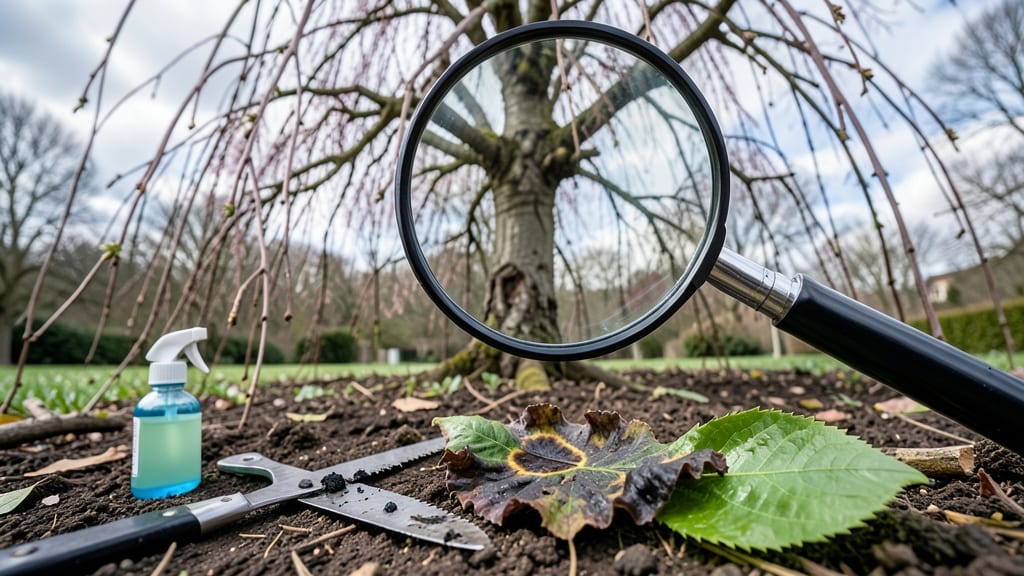
Your weeping cherry tree’s drooping branches could signal a weeping cherry tree disease—a silent battle between your plant and unseen pathogens like bacterial canker, powdery mildew, or fungal infections, and early action is the key to saving it. 🌿 I’ve nursed back trees with oozing cankers and leaf spots by catching these diseases before they spread, and I’ll show you how to spot the warning signs before they become permanent damage.
The worst part? Many gardeners ignore the first symptoms—yellowing leaves, sticky sap, or tiny black spots—until entire branches die back. But here’s the good news: pruning infected limbs in dry weather and applying copper fungicide at the first sign can stop these diseases in their tracks.
The real secret is prevention: keeping the tree’s canopy open for airflow and avoiding overhead watering cuts down on fungal spores by 70%.
Once you identify the problem—whether it’s bacterial canker’s sunken ulcers or powdery mildew’s white coating—you’ll tackle it with targeted treatments. Organic options like neem oil or baking soda sprays work for mildew, while severe canker cases might need a copper-based fungicide applied in late winter.
The goal? Restore that graceful weeping shape and keep your tree thriving for decades.
This isn’t just about fixing what’s broken—it’s about creating a long-term care plan that keeps your tree healthy year-round. We’ll cover when to prune, how to monitor for recurrence, and even how to boost your tree’s natural defenses. Let’s get that canopy back to its full, elegant glory.
Underlying Causes of Tree Ailments
Weeping cherry trees (Prunus serrulata) are beloved for their graceful branches and stunning spring blooms, but when disease strikes, their health can decline rapidly. Understanding why these issues arise is the first step to restoring your tree’s vitality.
Below, we break down the key factors—from microbial invaders to environmental stressors—that trigger problems like wilting, leaf spots, and bark decay.
Fungi are the most common culprits behind weeping cherry tree diseases, thriving in moist, warm conditions. These microscopic organisms can enter through wounds, weak bark, or even healthy tissue, disrupting the tree’s nutrient flow.
🍄 Common Fungal Pathogens
| Disease | Cause | Symptoms | Trigger Conditions |
|---|---|---|---|
| Powdery Mildew | Podosphaera pannosa or Erysiphe spp. | White, powdery coating on leaves; stunted growth | High humidity, poor airflow, overcrowded trees |
| Black Knot | Apiosporina morbosa (fungus) | Dark, swollen galls on branches; can girdle and kill limbs | Wet springs, injured bark, susceptible cultivars |
| Canker Diseases | Leucostoma or Valsa spp. (fungi) | Sunken, oozing cankers; branch dieback | Physical damage, stress, rainy seasons |
| Root Rot | Phytophthora or Armillaria spp. | Wilting, yellowing leaves; soft, rotting roots; mushrooms at base | Waterlogged soil, poor drainage, compacted roots |
💡 Pro Tip: Fungal spores spread via wind, water, or infected tools. Sanitize pruners with 70% alcohol between cuts to prevent cross-contamination.
While often overlooked, pests weaken trees by feeding on sap, leaves, or bark, creating entry points for diseases. Some insects also transmit fungal spores directly.
🐜 Top Pests to Watch For
- Japanese Beetles 🐞: Skeletons leaves by chewing foliage; defoliation stresses the tree.
- Scale Insects 🐛: Secretive, armored pests that excrete honeydew (a fungal magnet).
- Borers 🪲: Larvae tunnel into bark, disrupting water transport (e.g., Saperda or Agrilus species).
- Aphids 🐜: Cluster on new growth, spreading viral diseases like cherry leaf roll.
⚠️ Warning: Heavy infestations can lead to secondary infections—pests create wounds that fungi exploit.
Even without pathogens, weeping cherry trees suffer when their basic needs aren’t met. Environmental factors disrupt photosynthesis, nutrient uptake, or defense mechanisms.
🌧️ Water-Related Issues
- Overwatering: Leads to root rot by suffocating roots and promoting fungal growth.
- Underwatering: Causes drought stress, making trees vulnerable to borers and cankers.
- Poor Drainage: Compacted or clay soil traps moisture, inviting Phytophthora root rot.
☀️ Extreme Temperatures & Sunburn
- Late frosts damage blossoms, reducing energy reserves for recovery.
- Intense heat + low humidity = leaf scorch (brown, crispy edges), weakening the tree.
🌿 Soil & Nutrient Imbalances
- Deficient nitrogen (💡 Symptom: Pale yellow leaves) stunts growth, making trees prone to pests.
- Toxic soil (e.g., high salt or aluminum) from poor amendments or urban runoff stresses roots.
- pH imbalances: Cherry trees prefer slightly acidic soil (pH 5.5–6.5); alkaline soil locks out essential nutrients like iron.
Mistakes in care—even well-meaning ones—can trigger diseases. Here’s how:
- Improper Pruning 🔪:
- Cutting too late in the season (after June) invites fungal infections.
- Leaving stubs or wounding bark creates entry points for Botryosphaeria canker.
- Over-Fertilizing 🌱:
- Excess nitrogen promotes soft, sappy growth—a buffet for pests and mildew.
- Ignoring Mulch 🌳:
- Piling mulch against the trunk (volcano mulching) suffocates roots and traps moisture, breeding fungi.
🎯 Actionable Fix: Prune in dormant season (late winter), use sterilized tools, and maintain 3–4 inches of mulch (keep it 6 inches from the trunk).
Like humans, trees have immune systems. When compromised, they succumb to diseases they’d normally resist.
🛡️ Common Weakness Triggers
- Transplant Shock: Newly planted trees are vulnerable for 1–2 years while roots establish.
- Competing Vegetation: Grasses or weeds steal water/nutrients, starving the cherry tree.
- Chemical Burns: Overuse of herbicides, pesticides, or de-icers damages bark or roots.
- Genetic Susceptibility: Some weeping cherry cultivars (e.g., Prunus serrulata ‘Kanzan’) are more prone to black knot than others.
🔥 Quick Recovery Tip: Apply a balanced fertilizer (10-10-10) in early spring to boost immunity, and avoid heavy applications in late summer (promotes tender new growth).
Revive Your Tree: Step-by-Step Fixes
Reviving a weeping cherry tree suffering from disease requires a mix of prompt action and long-term care. Below, we’ve mapped out practical solutions tailored to the most common causes—whether it’s fungal infections, bacterial blights, or environmental stress.
Follow these steps to nurse your tree back to health and keep it thriving.
Fungal diseases like powdery mildew, black knot, or anthracnose often cause wilting, discolored leaves, and sticky residue. Here’s how to tackle them:
🔪 Remove Infected Areas
- Step 1: Use sterilized pruning shears (wipe with rubbing alcohol between cuts) to trim all infected branches—including those with lesions, cankers, or abnormal growths.
- Step 2: Cut 6–12 inches below the visible damage to ensure you remove the entire infected section.
- Step 3: Dispose of pruned material in the trash (not compost) to prevent reinfection.
🌡️ Apply Fungicide
- Best options: Copper-based fungicides (like Copper Sulfate) or neem oil for organic control.
- When to apply: At first sign of disease and every 2–3 weeks during wet seasons (spring/fall).
- Pro tip: 💡 Spray early morning to avoid burning leaves in sunlight.
🌿 Improve Airflow & Mulch
- Thin out dense branches to enhance airflow.
- Add 2–3 inches of organic mulch (wood chips, bark) around the base, but keep it 6 inches away from the trunk to prevent rot.
Bacterial diseases (like bacterial leaf spot or canker) spread quickly and can’t be cured—but you can slow their progress.
🧼 Sterilize Tools & Soil
- Wash pruners with 10% bleach solution (1 part bleach to 9 parts water) after each cut.
- Remove and destroy heavily infected branches (burn if possible).
- Avoid overhead watering—use a soaker hose to keep leaves dry.
🛡️ Use Bactericidal Sprays
- Copper fungicide (also effective against bacteria) or fixed copper spray can help.
- Reapply every 7–10 days during wet periods.
🚫 Isolate the Tree (If Severe)
- If the tree is heavily infected, consider removing it to protect nearby plants.
- Do not compost infected plant debris—double-bag and trash it.
Wilting from drought, overwatering, or poor soil is often reversible with simple fixes.
💧 Water Wisely
- Check soil moisture—stick your finger 2 inches deep; if dry, water deeply.
- Water at the base (not leaves) and early in the day to reduce fungal risk.
- Avoid soggy soil—ensure the tree has well-draining soil (amend with compost if needed).
☀️ Provide Shade & Support
- If the tree is in full sun, provide light shade during extreme heat (use shade cloth).
- Stake weak branches to prevent wind damage.
🌱 Fertilize Correctly
- Use a balanced, slow-release fertilizer (10-10-10) in early spring.
- Avoid high-nitrogen fertilizers—they encourage weak, disease-prone growth.
- Pro tip: 🌱 Conduct a soil test before fertilizing to address deficiencies (like iron or zinc).
Once your tree recovers, keep these habits to prevent future issues:
✅ Inspect regularly—catch problems early (monthly checks in spring/fall). ✅ Clean up debris—remove fallen leaves/branches to reduce fungal spores. ✅ Plant disease-resistant varieties—if replanting, choose Prunus avium ‘Stella Compact’ or ‘Kanzan’ (less prone to blights). ✅ Monitor pests—aphids and borers weaken trees, making them susceptible to disease. ✅ Avoid over-pruning—never remove more than 25% of foliage in one season.
Final Note: Patience is key—some fungal infections may take a full growing season to fully resolve. With consistent care, your weeping cherry can bounce back and flourish for years! 🌿✨
Frequently asked questions
How do I tell if my weeping cherry tree has bacterial canker vs. fungal infection?
Bacterial canker shows oozing, sunken cankers with sticky sap, while fungal infections like powdery mildew appear as white powdery patches on leaves or dark, swollen galls (black knot). Check for bark cracks or leaf spots too—bacterial issues often spread faster in wet conditions.
Can I save my weeping cherry tree if it's already lost most of its branches?
It depends! If the tree still has healthy green leaves and the roots are intact, aggressive pruning and proper care can revive it. Remove all dead wood, apply copper fungicide, and improve soil drainage. If the trunk is rotting or the tree has no foliage, it may be too late.
What's the best time of year to prune a diseased weeping cherry tree?
Prune during dormant season (late winter to early spring) before new growth starts. Avoid pruning in wet or rainy seasons, as this spreads fungal spores. Always sterilize tools between cuts to prevent infection.
Will neem oil work for treating black knot on my weeping cherry?
Neem oil helps prevent fungal spread but won't cure established black knot galls. For severe cases, remove infected branches completely and apply copper fungicide in late winter. Organic options like baking soda spray can supplement treatment.
How often should I inspect my weeping cherry tree for diseases?
Check your tree monthly during growing seasons (spring and fall) and after heavy rains. Look for unusual spots, wilting, or sap oozing. Early detection gives you the best chance to stop diseases before they spread.