
Diseases
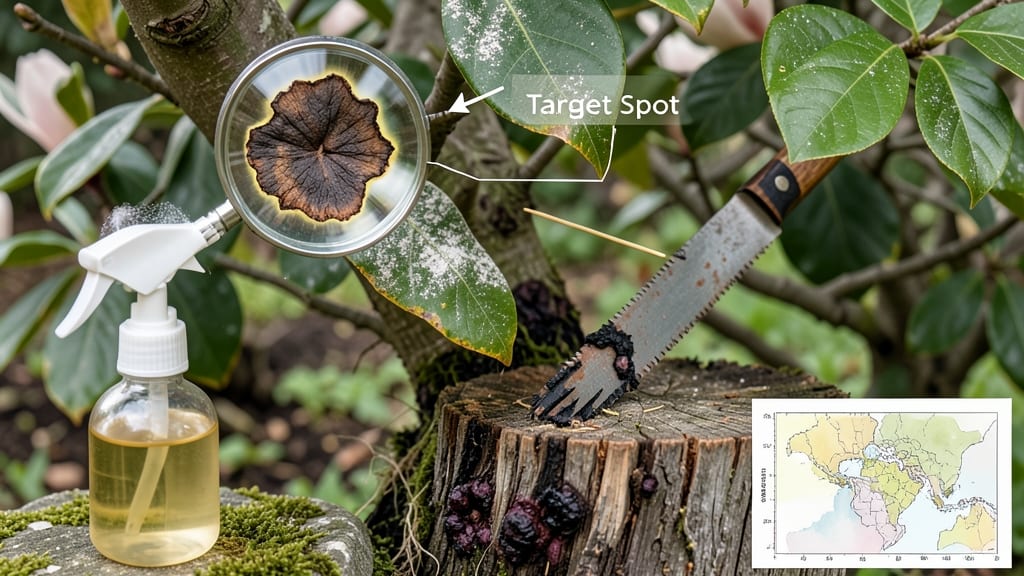
When your magnolia’s leaves turn brown and crispy, it’s usually a brown magnolia tree disease—and the good news is you can fix it. 🌿 I’ve seen these trees go from sad and spotted to lush and green again after just one growing season with the right care.
The key is catching it early, because once the fungus spreads, it’s harder to reverse the damage.
Most brown spots start as tiny yellow freckles that expand into dead patches, often with a fuzzy white or gray mold underneath. This is your tree’s SOS signal.
The biggest mistake I see is waiting too long to act—by the time branches look skeletal, the root system might already be compromised. Prune infected leaves immediately (sterilize your tools!) and bag them to stop the spread.
For treatment, copper fungicide sprays work fast, but organic options like neem oil or baking soda mixtures can rebuild the tree’s defenses over time. The secret weapon? Consistent monitoring—check for new spots every 7-10 days, especially after rain.
Healthy soil (rich in compost) helps too, because strong roots resist infections better.
Long-term, focus on airflow—thin out crowded branches—and mulch properly to keep moisture balanced. I’ve nursed back magnolias that looked hopeless by combining these steps. The first year is the hardest, but with patience, your tree can bounce back stronger than ever.
Root Causes Behind Leaf Discoloration
Brown magnolia tree diseases often stem from a mix of environmental stress, fungal infections, and poor tree health. Understanding why these issues arise helps you take targeted action. Below are the most common culprits behind browning leaves, bark damage, and overall decline in magnolias—along with the science behind them.
Magnolias are resilient, but extreme or sudden environmental shifts can trigger stress responses that weaken their defenses. When a tree struggles to adapt, it becomes vulnerable to diseases like anthracnose or target spot.
- Temperature Fluctuations - Magnolias thrive in USDA Zones 4–9, but rapid temperature swings (e.g., late spring frosts followed by heatwaves) shock the tree.
Cold snaps can damage emerging leaves, while sudden heat dries them out, making them crispy and brown. - Actionable fix: Mulch around the base to regulate soil temperature and protect roots. Avoid planting in low-lying areas where frost collects.
- Poor Watering Practices - Overwatering leads to root rot (caused by Phytophthora fungi), while underwatering causes drought stress.
Both scenarios weaken the tree’s immune system. - Signs to watch: Yellowing leaves that later turn brown, mushy stems, or wilting despite moist soil. - Pro tip: Water deeply 1–2 times per week (depending on climate) and ensure proper drainage—magnolias hate soggy roots!
- Sunburn or Wind Scorch
- Young magnolias or those suddenly exposed to full sun (e.g., after a nearby tree is removed) develop sunburned leaves—brown patches on edges or tips.
- High winds desiccate leaves by increasing transpiration rates faster than the tree can replace moisture.
- Solution: Provide afternoon shade for newly planted trees or use windbreaks in exposed areas.
Fungi are the #1 cause of brown magnolia diseases, thriving in moist, warm conditions. These pathogens exploit stressed trees, spreading rapidly once they gain a foothold.
- **Anthracnose (Colletotrichum spp.) - This fungal disease causes dark, sunken lesions on leaves, which turn brown and drop prematurely. It loves wet, humid springs** (ideal spore germination conditions). - Why it spreads: Spores splash from soil or infected leaves onto new growth.
Overhead watering (e.g., sprinklers) worsens the problem. - Prevention: Apply copper fungicide in early spring before buds swell. Prune and remove fallen leaves to break the cycle.
- **Target Spot (Corynespora cassiicola) - Circular brown spots with gray centers appear on leaves, often with yellow halos.
The fungus thrives in hot, humid summers** and survives on debris. - Key trigger: Poor air circulation (e.g., dense plantings) traps moisture, giving the fungus a perfect breeding ground. - Fix: Space trees 6–10 feet apart for airflow.
Clean up leaf litter and apply fungicidal sprays (e.g., chlorothalonil) during wet periods.
- **Powdery Mildew (Oidium spp.) - While less common on magnolias, this fungus creates white, powdery coatings on leaves that eventually turn brown and brittle.
It spreads via wind and water**. - Risk factors: Shady, humid conditions (e.g., under dense canopies) and high nitrogen fertilizers (which promote soft, susceptible growth). - Remedy: Prune for sunlight exposure and spray with neem oil or sulfur-based fungicides at first signs.
Some pests don’t directly cause browning but compromise the tree’s health, making it susceptible to secondary infections.
- **Magnolia Scale (Neolecanium cornuparvum)
- These
- Why it’s dangerous: Scale insects starve the tree of nutrients, weakening its ability to fight disease.
- Control: Apply horticultural oil in late winter/early spring (before eggs hatch) or systemic insecticides like imidacloprid.
- Adult beetles skeletonize leaves (eating between veins), turning them brown and ragged. Larvae (grubs) feed on roots, further stressing the tree.
- Prevention: Handpick beetles into soapy water or use milky spore bacteria for long-term grub control.
- These tiny pests thrive in dry, hot conditions and pierce leaves, causing stippling (tiny brown dots) that merge into larger dead patches.
- Early warning: Leaves may appear bronzed or dusty before browning.
- Solution: Spray with water to dislodge mites or use miticides like abamectin.
Magnolias need acidic, well-draining soil (pH 5.0–6.5). When soil conditions are off, the tree struggles to absorb nutrients, leading to chlorosis (yellowing) and eventual browning.
- Compacted or Alkaline Soil
- Clay or compacted soil restricts root growth, while high pH (>7.0) locks out essential nutrients like iron and manganese, causing interveinal chlorosis (brown veins).
- Test & fix: Conduct a soil test and amend with sulfur (to lower pH) or organic matter (compost, peat moss).
- Over/Under-Fertilization
- Too much nitrogen promotes soft, disease-prone growth, while deficiencies in micronutrients (e.g., magnesium, zinc) cause brown leaf edges or spots.
- Balanced approach: Use a slow-release, acidic fertilizer (e.g., 8-3-9 with micronutrients) in early spring.
- Root Damage
- Construction, foot traffic, or girdling roots (roots growing around the trunk) strangle the tree, cutting off water/nutrient flow. Brown leaves often appear on one side first.
- Emergency fix: Aerate compacted soil and prune girdling roots carefully with a sterilized saw.
Quick Fixes for Fading Magnolias
Reviving your browned magnolia tree starts with identifying the culprit and taking targeted action. Below, we’ve mapped out practical solutions for each common disease, along with preventive steps to keep your tree thriving. Think of this as your magnolia tree’s first-aid kit—simple, effective, and easy to follow.
Fungal diseases like anthracnose, powdery mildew, or target spot thrive in damp, shaded conditions. Here’s how to tackle them:
🔥 Step 1: Prune for Better Airflow
Fungus spreads when leaves and branches stay wet too long. Thin out dense foliage to improve airflow, especially in shaded or humid areas.
- When to prune: Late winter or early spring (before new growth).
- How to prune: Remove only diseased leaves/branches (sterilize pruners with rubbing alcohol between cuts).
- Pro tip: 💡 Avoid pruning during rainy weather—fungal spores will latch onto fresh cuts!
🍳 Step 2: Apply Fungicidal Treatments
Use copper-based fungicides (like copper sulfate) or neem oil for organic control.
Follow label instructions—overapplying can harm the tree. - Best time to treat: Early spring (preventative) or at the first sign of brown spots. - How to apply: Spray undersides of leaves (where fungi often hide) and stems.
Reapply every 2–4 weeks during rainy seasons. - DIY alternative: Mix 1 tbsp baking soda + 1 tsp dish soap + 1 gallon water for a mild fungicide (test on a small area first).
👨🍳 Step 3: Adjust Watering Habits
Fungus loves moisture—water at the base (not overhead) to keep leaves dry.
- Morning watering: Best time to reduce evening humidity.
- Drainage check: Ensure soil isn’t soggy; amend with compost if needed.
🌡️ Prevention Tips for Fungal Recurrence
- 🌿 Mulch properly: Use 2–3 inches of mulch (keep it 6 inches away from the trunk).
- 🌞 Increase sunlight: Thin nearby trees/shrubs to boost airflow.
- 🍂 Clean up debris: Remove fallen leaves/branches year-round (fungus overwinters in them!).
If brown leaves appear crispy or scorched (not slimy or moldy), your magnolia is likely heat-stressed or underwatered.
💦 Step 1: Deep Watering Technique
Magnolias have deep roots—water slowly and deeply (1–2 inches per week) rather than frequent shallow watering.
- How to check: Stick your finger 3 inches into soil; if dry, water more.
- Mulch hack: 🌡️ 4–6 inches of mulch retains moisture (but avoid piling against the trunk).
🌳 Step 2: Provide Shade Relief
Young magnolias or those in hot, dry climates benefit from partial shade (especially afternoon sun).
- Quick fix: Use lightweight shade cloth (30–50% coverage) temporarily.
- Long-term: Plant fast-growing shrubs (like hydrangeas) to filter harsh sun.
✨ Prevention for Future Stress
- 🌧️ Drought prep: Install drip irrigation for consistent moisture.
- 🌱 Soil boost: Amend soil with organic matter (like compost) to improve water retention.
- 🍃 Avoid over-fertilizing: Too much nitrogen = more water needs (and stress).
If brown patches come with holes, webbing, or sawdust-like frass, pests like magnolia scale, lace bugs, or spider mites are likely to blame.
🔪 Step 1: Blast Off Pests with Pressure
- Hose method: Spray forceful water (from a garden hose) to dislodge pests. Do this early morning for best results.
- Soap spray: Mix 1 tbsp horticultural oil + 1 tsp castile soap per gallon of water.
Spray undersides of leaves.
🐞 Step 2: Introduce Natural Predators
- Ladybugs & lacewings eat lace bugs and mites. Buy them online or attract them with neem oil sprays.
- Parasitic wasps target magnolia scale—contact a local cooperative extension service for guidance.
🎯 Prevention for Pest-Free Magnolias
- 🍃 Monitor regularly: Check leaves weekly (especially new growth).
- 🌿 Avoid broad-spectrum pesticides: They kill beneficial insects too.
- 🌳 Keep trees healthy: Stressed trees = pest magnets. Prune and fertilize correctly.
If your magnolia is severely diseased (e.g., large cankers, wilting despite care), consult an arborist or local extension office. They can diagnose less common issues (like bacterial blight) and prescribe stronger treatments.
Remember: Consistency is key! Fungal diseases and pests won’t vanish overnight—stay vigilant with treatments and prevention. With the right care, your magnolia will bounce back with lush, vibrant foliage in no time! 🌿✨
Frequently asked questions
Why do magnolia leaves turn brown in patches but stay green in others?
This is often a sign of target spot fungus or anthracnose, which attack specific leaves while sparing others. These fungal diseases thrive in wet conditions and create circular brown spots with gray centers. Check the undersides of leaves for fuzzy mold—this confirms fungal activity. Prune infected branches immediately and apply copper fungicide to stop the spread.
Can I save my magnolia if half the leaves are already brown?
Yes! Early intervention is key. First, remove all brown/diseased leaves (sterilize your pruners with rubbing alcohol). Then apply a neem oil spray (for organic control) or copper fungicide every 2 weeks during rainy seasons. Focus on improving airflow by thinning dense branches—this helps leaves dry faster and reduces fungal growth.
Is it safe to use household vinegar as a fungicide for my magnolia?
No, plain vinegar is too harsh and can burn leaves. Instead, mix 1 tablespoon baking soda + 1 teaspoon dish soap + 1 gallon water for a gentle DIY fungicide. Spray on dry leaves in the morning, avoiding direct sunlight. For severe infections, stick to copper-based fungicides or neem oil, which are safer and more effective.
How do I tell if my magnolia's brown leaves are from disease or just drought?
Drought-stressed leaves turn crispy and dry (often at the edges), while diseased leaves may feel soft, slimy, or have spots. Dig 3 inches deep—if soil is bone-dry, water deeply 1–2 times per week. For disease, look for fuzzy mold or yellow halos around brown patches. Combine proper watering with fungicide if needed.
Will pruning my magnolia help prevent future browning?
Pruning improves air circulation, which is critical for preventing fungal diseases. Remove crossing branches and dead/diseased leaves in late winter or early spring. Sterilize tools between cuts to avoid spreading pathogens. Thin the canopy by 20–30% to reduce humidity—this alone can cut down on fungal infections by half.