
Pruning
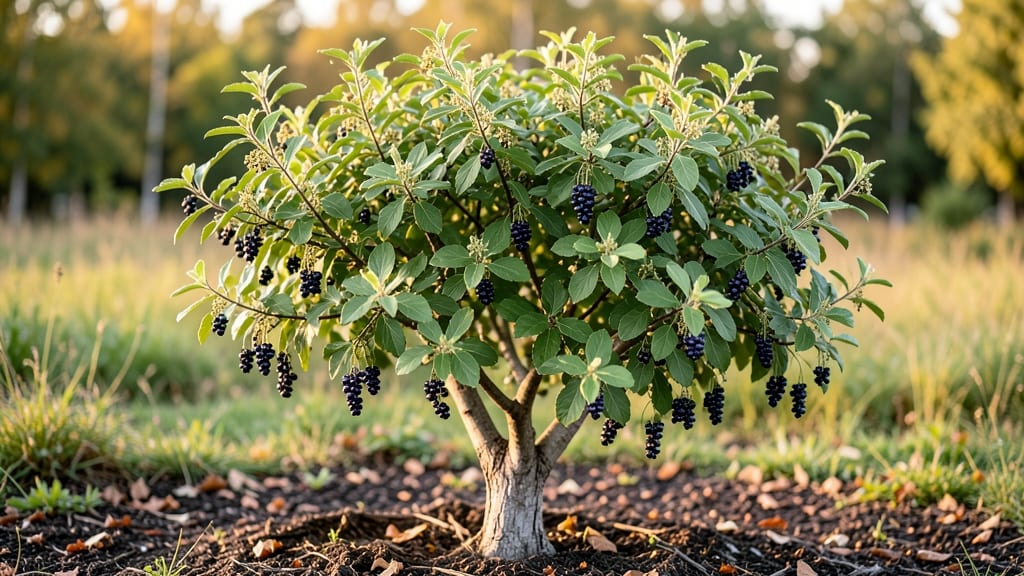
The identification of a tree with black berries starts with noticing the berry clusters—are they drooping like elderberry or clustered tight like yew? 🌿 I've spent years tracking these trees, and the first clue is always the berry shape and how they grow.
Elderberry's berries hang in long, graceful bunches, while yew's sit singly on red stems. Hawthorn berries, meanwhile, form dense, spherical clusters that birds adore.
Here's the critical detail: not all black berries are safe. Yew berries are toxic to humans and pets, while elderberries are edible and beloved for jams. Hawthorn berries are wildlife magnets but harmless.
Check the leaves too—elderberry has serrated edges, yew is needle-like, and hawthorn is lobed like a tiny oak leaf. A quick photo search or local plant ID app can confirm your guess in seconds.
Once you know what you've got, the next step depends on your goal. If it's elderberry, you're in for a treat—harvest the berries in fall for syrup or wine. Yew trees need space and pruning to stay safe, while hawthorn thrives in hedges.
For any tree, watch for pests like aphids or borers, especially if the berries look shriveled or the leaves are spotted.
Regional tips matter too: elderberry loves wet soils and grows wild in the Northeast, while yew prefers drier climates and is common in the Southeast. If you're unsure, snap a photo and ask your local extension office—they've seen it all.
The key is patience: trees reveal their secrets over seasons, not days.
Natural Reasons for Black Berries
Black berries on trees aren’t always a cause for alarm—they’re often a natural part of the plant’s lifecycle. Understanding why these berries appear helps you identify the tree accurately and decide whether they’re beneficial, harmful, or simply part of the landscape’s charm.
Here’s why you might spot black berries on trees in your yard:
Many trees produce black berries as a fruit to aid in seed dispersal. These berries contain seeds that animals (like birds, squirrels, or raccoons) eat, then spread far from the parent plant. This evolutionary strategy ensures the tree’s survival by colonizing new areas.
Key examples:
- Elderberry (Sambucus) – Clusters of small, dark berries that ripen in late summer.
- Juniper (Juniperus) – Technically a "berry" (though it’s a fleshy cone), often blue-black and favored by wildlife.
- Virginia Creeper (Parthenocissus quinquefolia) – Produces grape-like black berries that birds adore.
Actionable tip: 💡 If you see berries in clusters and they’re soft to the touch, the tree is likely relying on animals for seed spread. Avoid eating wild berries unless positively identified—some (like bittersweet nightshade) are toxic!
Not all black berries are edible—or even safe. Some trees produce toxic berries as a defense against herbivores. These berries may contain alkaloids, cyanogenic glycosides, or other compounds that deter animals from eating them (though some wildlife is immune to these effects).
Common toxic trees with black berries:
- Bittersweet Nightshade (Solanum dulcamara) – Contains solanine, a toxin harmful to humans and pets.
- Pokeweed (Phytolacca americana) – Berries turn from pink to deep purple-black and are highly toxic if ingested.
- Yew (Taxus spp.) – Bright red "berries" (actually arils) contain taxine, a deadly compound.
Safety first! 🚨 If you suspect toxicity, do not consume the berries. Wear gloves when handling plants like pokeweed, and keep pets away from areas where these grow.
Sometimes, trees produce abnormal or excessive berries due to environmental factors. Stress can disrupt normal flowering and fruiting patterns, leading to unexpected berry growth.
Common stress triggers:
- Overwatering or drought – Both extremes can cause trees to produce more fruit as a survival mechanism.
- Nutrient deficiencies – Lack of phosphorus or potassium may lead to poor berry development, while an excess of nitrogen can cause overproduction.
- Pest or disease damage – If a tree is under attack (e.g., by aphids, scale insects, or fungal infections), it may prioritize berry production to ensure seed survival.
What you can do: ✅ Test soil (pH and nutrient levels) to rule out deficiencies. ✅ Adjust watering—most berry-producing trees prefer moderate moisture, not soggy soil. ✅ Inspect for pests (e.g., spider mites, borers) and treat early if needed.
Some trees with black berries are invasive species, meaning they outcompete native plants and disrupt ecosystems. Their berries are often highly attractive to birds, which unknowingly spread the seeds far and wide.
Notorious invasive trees with black berries:
- English Ivy (Hedera helix) – Glossy black berries that birds love; smothers native plants.
- Multiflora Rose (Rosa multiflora) – Produces hip-like berries that spread aggressively.
- Russian Olive (Elaeagnus angustifolia) – Drought-tolerant and spreads rapidly in dry climates.
Why it matters: 🌍 Invasive species displace native wildlife and can degrade soil health. If you suspect an invasive tree, remove it promptly to prevent spread.
Some trees produce black berries due to genetic mutations or hybrid vigor.
For example: - Crabapple hybrids (Malus spp.) – Some cultivars develop dark, almost black berries instead of the usual red. - Blackhaw Viburnum (Viburnum prunifolium) – Naturally produces blue-black berries that are edible (when fully ripe).
How to tell: 🔎 Compare the tree’s leaf shape, bark, and growth habit to known species. If the berries are larger or darker than typical, it may be a hybrid or cultivated variety.
| Scenario | Likely Cause | Action Needed |
|---|---|---|
| Berries in clusters, soft | Natural seed dispersal | Enjoy the wildlife! |
| Berries glossy, shiny | Toxic species (e.g., nightshade) | Remove or contain |
| Tree drooping, yellow leaves | Stress or disease-related berry production | Test soil, adjust care |
| Berries spreading rapidly | Invasive species | Eradicate to protect native plants |
| Berries larger than usual | Hybrid or cultivated variety | Research before planting |
Identify and Manage Trees With Black Berries
If you’ve spotted a tree in your backyard sporting clusters of glossy black berries and want to identify it—or better yet, manage it—you’re in the right place.
Whether you’re dealing with an invasive species, a toxic threat, or just an unfamiliar neighbor in your garden, knowing how to act is key. Below, we break down solutions by common causes, from identification to removal, with practical steps to keep your yard safe and healthy.
Before taking action, narrow down the possibilities. Black berries can belong to trees like Elderberry, Poison Ivy (yes, it has berries!), Virginia Creeper, or even Bittersweet. Here’s how to diagnose correctly:
- 📏 Examine the Leaves: Are they lobed, smooth-edged, or compound? Poison ivy has three leaflets, while elderberry leaves are opposite and serrated.
- 🌱 Check the Bark: Smooth, gray bark (like elderberry) vs. rough, stringy bark (Virginia creeper).
- 📸 Take Photos: Snap images of leaves, berries, and bark for a plant ID app or local extension office.
- 🌿 Look for Vines: If the "tree" is actually a climbing vine, it’s likely Bittersweet or Poison Ivy.
Pro Tip: 💡 Never assume a tree is safe—some black berries (like those from Poison Ivy) are toxic. When in doubt, avoid touching and consult a professional.
Not all black-berried trees are bad—some are beneficial for wildlife or ornamental. Here’s how to decide:
🌿 Keep It If:
- 🐦 It’s a Native Plant: Trees like Elderberry or American Holly support birds and pollinators.
- 🎨 It’s Ornamental: If it’s non-invasive (e.g., Arborvitae with blue berries), prune it for shape.
- 🍽️ The Berries Are Edible: Elderberries (cooked only!) are used in jams and syrups—just verify before consuming.
🗑️ Remove It If:
- 🚨 It’s Invasive: Bittersweet and English Ivy choke native plants—dig it out.
- 💀 It’s Toxic: Poison Ivy berries are dangerous—wear gloves and dispose of debris in sealed bags.
- 🌱 It’s Crowding Other Plants: Overgrown vines or trees can smother lawns and gardens.
If the tree needs to go, do it right to avoid regrowth or spreading seeds. Follow these steps:
🌱 For Small Trees/Shrubs (Under 6 ft):
- 🔪 Cut at the Base: Use clean, sharp pruners to slice the trunk just above ground level.
- 🌱 Dig Up Roots: Use a shovel or garden fork to loosen roots, then pull the stump out.
- 🗑️ Bag the Debris: Seal berries and leaves in a heavy-duty trash bag to prevent wildlife from spreading seeds.
🌳 For Larger Trees (Over 6 ft):
- 🚜 Call a Pro: Trees with thick trunks (e.g., Black Locust) require professional removal to avoid damage.
- 🌿 Stump Grinding: If leaving a stump, grind it down and treat with vinegar or salt to kill regrowth.
- 🌱 Prevent Regrowth: Apply mulch or landscape fabric around the area to block new sprouts.
Safety Tip: ⚠️ Wear long sleeves, gloves, and eye protection—some berries stain, and others cause skin irritation.
Once you’ve identified and managed the tree, stop it from coming back with these long-term strategies:
- 🌱 Monitor for Sprouts: Check the area monthly for new growth—pull weeds immediately.
- 🌿 Mulch Strategically: Apply 3–4 inches of mulch (wood chips or gravel) to suffocate weed seeds.
- 🌳 Plant Competitive Species: Fill empty spaces with fast-growing ground covers (e.g., clover or creeping thyme) to outcompete invaders.
- 📅 Schedule Regular Pruning: Trim trees annually to control spread and improve airflow.
Pro Tip: 🎯 Learn your local ecosystem—some "problem" trees are actually native and beneficial. Check with your local extension service for region-specific advice.
With the right approach, you can safely identify and manage black-berried trees—whether you’re keeping them for beauty, removing them for safety, or preventing future headaches. Now that you’re armed with the know-how, your backyard will stay both stunning and stress-free! 🌳✨
Frequently asked questions
How can I tell if black berries are safe to eat?
Never eat wild black berries unless you're absolutely certain of the tree's identity. Elderberries are edible when cooked, but yew, bittersweet nightshade, and pokeweed berries are highly toxic. Look for official field guides or use plant ID apps like iNaturalist to confirm before consuming anything. When in doubt, avoid!
What's the difference between elderberry and Virginia creeper?
Elderberry has opposite leaves with serrated edges and berries in drooping clusters, while Virginia creeper has five leaflets per stem and berries that resemble tiny grapes. Elderberry grows as a shrub or small tree, while Virginia creeper is a climbing vine with tendrils. Check the bark too—elderberry is smooth, while Virginia creeper has stringy bark.
Why do some black berries attract so many birds?
Birds love black berries because they're often nutrient-rich and easy to digest. These berries contain seeds that birds eat, then spread far from the parent plant through their droppings. This natural seed dispersal helps trees reproduce. The berries' dark color also makes them more visible to birds against green foliage.
Can I use black berries from my yard for crafts or cooking?
Only if you've positively identified the tree! Elderberries make excellent syrups and jams when properly cooked, but never use yew or bittersweet berries—they're deadly. For crafts, dried elderberries or non-toxic berries like those from serviceberry trees work well. Always wear gloves when handling unknown berries to avoid skin irritation.
What should I do if I find poison ivy with black berries?
Remove it immediately using gloves and long sleeves—the berries contain urushiol, the same irritant found in the leaves. Cut the vines at the base and dispose of them in sealed plastic bags. Wash your tools with soap and water afterward. For large infestations, consider using vinegar or commercial herbicides labeled for poison ivy.