
Pruning
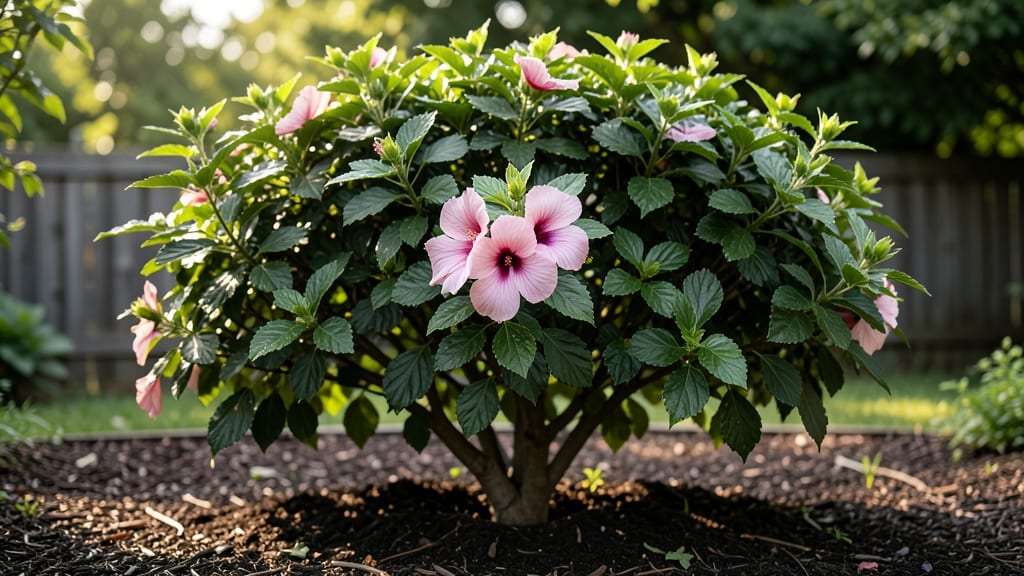
Transforming your hibiscus into a tree form is easier than you think—it just takes patience and the right cuts. 🌿 I’ve shaped mine into a stunning, multi-branched specimen that towers over my patio, and I’ll show you exactly how to do it without sacrificing blooms or health.
Start with a young plant and prune strategically: remove lower branches to create a clean trunk, then encourage upward growth by cutting back lateral branches to 12-18 inches from the ground.
The key is timing—prune in late winter or early spring before new growth begins, and avoid heavy cuts once flowering starts. By summer, you’ll see strong, upward-reaching branches with lush foliage and abundant blooms at the ends. The result? A dramatic, tree-like silhouette that still thrives like a bush.
Just remember: consistency is everything—skip a year, and you’ll have to start over. This method works for Lagerstroemia (crape myrtle) and Hibiscus syriacus varieties alike. Perfect for small spaces, container growing, or adding height to your landscape. Let’s get pruning!
📚 In This Guide
- What you need
- Instructions
- Tips and common mistakes
- Wrapping up and next steps
What you need
- ● Pruning shears: Bypass pruners (sharp, clean, and sterilized with rubbing alcohol to prevent disease). Tip: Avoid dull tools—they crush stems!
- ● Loppers: For thicker branches (up to 2 inches in diameter). Pro tip: Look for ratcheting loppers for extra leverage.
- ● Pruning saw: For stubborn, woody branches (3+ inches thick). ✨ Must-have: A bow saw or folding pruning saw for precision.
- ● Gloves: Heavy-duty, cut-resistant gloves (e.g., mechanized or leather) to protect from thorns.
- ● Disinfectant: 70% isopropyl alcohol or a 10% bleach solution (1 part bleach to 9 parts water) for sterilizing tools between cuts.
- ● Tree form hibiscus: A healthy, mature plant (3+ years old) with a central leader trunk (or one you’re willing to train!).
- ○ Support structure (optional but helpful): A bamboo stake or wooden dowel (1–2 inches in diameter, 4–6 feet tall).
- ● Soft plant ties (e.g., velcro straps or rubber tree ties) to secure branches without damaging bark.
- ● Timing: Prune in late winter or early spring (just before new growth starts) for best results. ⏰ Avoid pruning in fall—hibiscus needs time to harden off!
- ● Weather: Choose a dry, overcast day to minimize stress on the plant and reduce disease risk.
- ● Safety first: Wear long sleeves and pants to protect from thorns.
- ● Keep a first-aid kit handy for minor cuts.
- ● Cleanup supplies: Trash bags or a compost bin for pruned branches.
- ● Rags or paper towels to wipe down tools.
- ● Pruning sealant: (e.g., Tanglefoot Tree Wound Pruning Seal) for large cuts to prevent disease. 💡 Use sparingly—only on cuts wider than ½ inch!
- ● Plant food: A balanced fertilizer (10-10-10) to nourish the hibiscus after pruning.
- ● Mulch: Organic mulch (e.g., pine bark or shredded leaves) to retain moisture and protect roots.
- ● Camera or sketchpad: To document your progress or plan cuts before you start!
Instructions for pruning hibiscus into a stunning tree form
Here's the step-by-step method I use to transform hibiscus bushes into elegant, sky-reaching tree forms.
✂️ Step 1: Identify and Select Your Main Trunk
Start by examining your hibiscus plant and locate the strongest, straightest stem. This will become your main trunk. Look for a stem that's at least 12-18 inches tall with minimal branching and no signs of damage. I usually choose the stem closest to the center of the plant that's growing vertically.
Use clean, sharp pruners to remove all side branches below your selected trunk height. Cut just above a leaf node or outward-facing bud to encourage new growth in the right direction. This is where you'll see the transformation begin—your plant will start directing energy upward instead of outward.
✂️ Step 2: Create the Initial Branch Structure
Once your main trunk is established at your desired height (3-5 feet for most tree forms), it's time to create the primary branches. Select 3-5 strong stems growing from the main trunk and prune them back to 6-8 inches above the trunk. These will become your main scaffold branches.
Make your cuts at a 45-degree angle just above an outward-facing bud. This angle helps water run off the cut and prevents rot. Space your main branches evenly around the trunk—think of them as spokes on a wheel. You'll see new lateral growth emerge from these points within 2-4 weeks.
✂️ Step 3: Develop Secondary Branches and Refine Shape
After your primary branches have grown 12-18 inches, it's time to create secondary branches. On each main branch, select 2-3 strong stems and prune them back to 4-6 inches above their origin point. This creates a tiered, natural look while maintaining structural integrity.
As you work, step back frequently to visualize the overall shape. Your goal is a balanced, symmetrical form that allows light to penetrate the center. Remove any branches growing inward or crossing over others. You'll notice the plant's energy will naturally flow toward the outer edges, creating that lush, full look we want.
✂️ Step 4: Maintain the Tree Form Through Regular Pruning
Tree form hibiscus requires ongoing maintenance to preserve its elegant structure. Throughout the growing season, remove any suckers growing from the base or main trunk. These compete with your desired structure and should be pruned back immediately. Also, trim back any branches that grow too long or become leggy.
In late winter or early spring, before new growth begins, give your tree form hibiscus a thorough inspection. Prune back any branches that grew too vigorously during the previous season by about one-third. This encourages bushier growth and maintains the plant's compact, tree-like shape. You'll see the difference in just a few weeks as new, healthy growth emerges.
☀️ Step 5: Provide Optimal Care for Your Tree Form
Your pruning efforts will pay off best when combined with proper care. Tree form hibiscus thrive with 6-8 hours of direct sunlight daily. Position your plant where it receives morning sun and afternoon shade in hot climates. Water deeply 1-2 times per week, allowing the top 2-3 inches of soil to dry between waterings.
Feed your tree form hibiscus with a balanced, slow-release fertilizer in early spring and again in midsummer. This supports the plant's energy demands as it produces new growth and flowers. You'll notice stronger stems, more vibrant foliage, and better flowering when the plant receives proper nutrition. With consistent care, your tree form hibiscus will reward you with dramatic height and stunning blooms year after year.
Tips & tricks for perfect tree form hibiscus
Transforming hibiscus into a stunning tree form takes patience and precision—but these insights will help you avoid common pitfalls and create a showstopping centerpiece.
Tool Selection: Invest in high-quality, sharp pruning shears designed for woody plants. Dull blades crush stems instead of making clean cuts, which stresses the plant and invites disease. I use bypass pruners for clean cuts and sterilize them with rubbing alcohol between cuts to prevent bacterial spread. This small step makes all the difference in your hibiscus's recovery and growth pattern.
Growth Timing: The 2-4 week window mentioned for new lateral growth to emerge is critical—this is when your plant is most responsive to shaping. If you notice new shoots appearing faster, that's your plant telling you it's thriving! Conversely, if growth stalls after 4 weeks, consider checking your sunlight exposure or watering schedule. Hibiscus needs consistent moisture but hates soggy roots, so aim for that top 2-3 inches of soil to dry between waterings.
Structural Balance: When creating your scaffold branches in Step 2, think of them as architectural elements rather than random growth. The 3-5 main branches should be spaced like clock hands—evenly distributed around the trunk. This creates visual harmony while allowing light to filter through the center. I often sketch a rough diagram before pruning to visualize the final shape, which helps me make more confident cuts.
Seasonal Maintenance: That one-third pruning in late winter or early spring isn't just about tidying up—it's about stimulating new growth. The plant's natural dormancy period makes this the perfect time to shape it without causing stress. After pruning, give your hibiscus a light feeding with a balanced fertilizer to support its spring growth spurt. You'll notice stronger stems and more vibrant foliage within just a few weeks.
Pro Tips for Tree Form Hibiscus
- Transforming hibiscus into a stunning tree form takes patience and precision—but these insights will help you avoid common pitfalls and create a showstopping centerpiece.
- Tool Selection: Invest in high-quality, sharp pruning shears designed for woody plants.
- Growth Timing: The 2-4 week window mentioned for new lateral growth to emerge is critical—this is when your plant is most responsive to shaping.
Frequently asked questions
Got questions about shaping your tree form hibiscus into a stunning vertical masterpiece? We’ve got answers!
Here are the most common queries from gardeners eager to prune like a pro.
When is the best time to prune a tree form hibiscus?
The ideal time is late winter or early spring (just before new growth starts). This ensures your plant has ample time to recover before summer heat. Avoid heavy pruning in fall—it can stress the plant before winter dormancy. For minor shaping, you can prune lightly in summer, but avoid cutting into old wood.
How much can I trim back my hibiscus without harming it?
Tree form hibiscus are resilient! You can safely remove up to 30% of the foliage in one session. For dramatic shaping (like a single-trunk look), prune back 1/3 of the current season’s growth annually. Avoid over-pruning—this can lead to weak branches or reduced flowering. Think of it like sculpting: gradual changes yield the best results!
Why aren’t my hibiscus branches growing upward like they should?
If your hibiscus won’t grow vertically, check these fixes:
- Light: Ensure it gets 6+ hours of direct sunlight daily—shady spots encourage leggy, weak growth.
- Pruning technique: Always cut just above a leaf node (where new growth emerges) at a 45° angle to encourage upward buds.
- Support: Use a bamboo stake or trellis to guide young branches until they strengthen.
Will pruning my hibiscus reduce its flowers?
Not if done right! Light, strategic pruning (like removing spent blooms or overcrowded branches) actually encourages more flowers by redirecting energy to new growth. Heavy pruning in late winter can delay spring blooms, but summer/fall pruning keeps your hibiscus flowering year-round in warm climates.
Can I grow a tree form hibiscus in containers?
Choose a large container (15+ gallons) with drainage holes and a balanced fertilizer (like 10-10-10). Prune more aggressively in containers to control size, and rotate the pot occasionally for even growth. Just remember: container-grown hibiscus may need extra winter protection in cold climates (like moving indoors or wrapping the pot).
Wrapping up and next steps
Transforming your tree form hibiscus into a stunning, sky-reaching beauty is all about patience, precision, and a little love! 🌿 With the right tools, timing, and techniques, you’ll enjoy lush, graceful branches that steal the show year after year.
Remember, pruning isn’t just maintenance—it’s an art that rewards your green thumb with breathtaking results.
Ready to take the next step? Grab your pruners and schedule your first trim during the dormant season—your hibiscus will thank you with vibrant blooms and towering elegance! 🌸