
How To
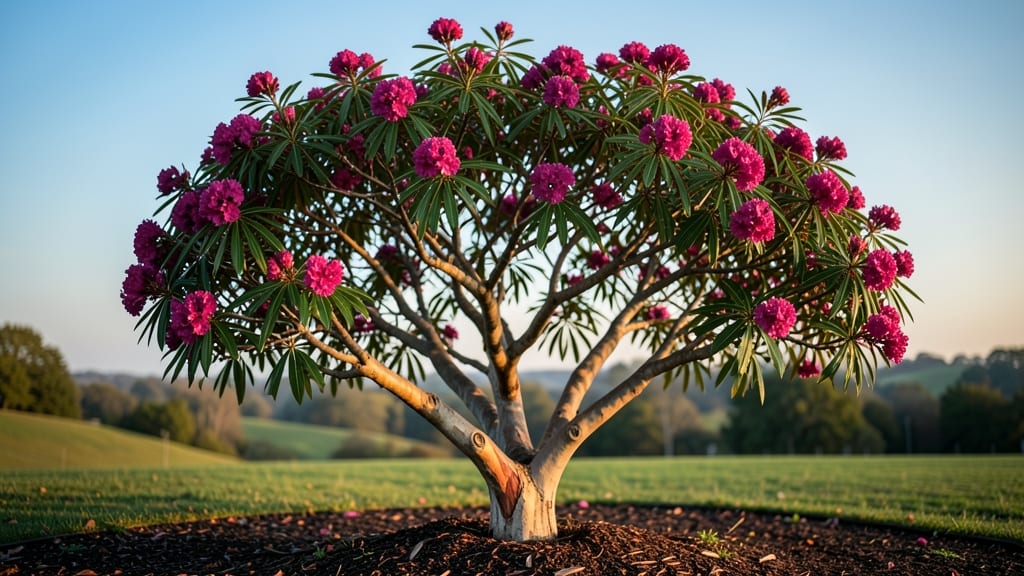
A crape myrtle tree can grow how tall does it grow anywhere from 6 feet to towering 30 feet, depending on the variety you choose.
If you're dreaming of a stunning, low-maintenance tree that blooms like a firework display every summer, crape myrtles might be your perfect match—but first, you need to know: How tall will it really grow? Some varieties stay compact enough for small yards, while others reach heights that make them statement pieces in large landscapes.
The key to picking the right size lies in understanding the differences between dwarf, semi-dwarf, and standard crape myrtles.
Dwarf varieties top out around 12 feet, making them ideal for urban gardens or patios, while standard types can dwarf even the tallest basketball hoops at 20 to 30 feet.
In this guide, I’ll break down the height ranges by variety, share pruning tips to control growth, and help you match the perfect crape myrtle to your space—so you can enjoy those vibrant blooms without the unexpected overgrowth.

Crape myrtle tree height guide: dwarf to giant varieties explained
If you're dreaming of a stunning, low-maintenance tree that blooms like a firework display every summer, crape myrtles might be your perfect match—but first, you need to know: How tall will it really grow? The answer varies dramatically depending on the variety you choose, with heights ranging from just 6 feet to towering 30 feet at maturity.
Understanding these differences helps you pick the perfect crape myrtle for your space, whether you have a cozy backyard patio or a sprawling landscape design.
Crape myrtles are prized for their vibrant summer blooms and glossy foliage, but their mature height is one of the biggest factors in selecting the right cultivar. Some varieties stay compact enough for urban gardens, while others grow tall enough to rival small oak trees.
The key is matching your yard size and planting goals with the right growth habit. Let’s break down the height ranges and what to expect from each type.
| Variety | Mature Height | Growth Rate | USDA Zones | Best For |
|---|---|---|---|---|
| Dwarf Varieties (e.g., 'Centennial', 'Tonto') | 6–12 ft | Slow to moderate (1–2 ft/year) | 6–10 | Small yards, containers, urban gardens |
| Semi-Dwarf (e.g., 'Acoma', 'Muskogee') | 12–18 ft | Moderate (2 ft/year) | 6–9 | Medium spaces, foundation plantings |
| Standard (e.g., 'Natchez', 'Tuscarora') | 20–30 ft | Fast (3+ ft/year) | 6–10 | Large landscapes, shade trees |
| Weeping Varieties (e.g., 'Pendula') | 15–25 ft (spreading) | Moderate (2 ft/year) | 7–9 | Specimen trees, focal points |
Dwarf crape myrtles, like 'Centennial' or 'Tonto', are perfect for small spaces or container gardening. These varieties typically reach 6–12 feet at maturity, making them ideal for patio accents or urban gardens where space is limited.
They grow slowly, adding just 1–2 feet per year, so you won’t need to prune aggressively to keep them manageable. Their compact size also makes them easier to maintain and prune, which is a plus for busy gardeners.
Semi-dwarf varieties, such as 'Acoma' or 'Muskogee', strike a balance with heights of 12–18 feet. These are great for medium-sized yards or as foundation plantings near homes. They grow at a moderate pace, reaching their mature height in about 5–7 years.
Semi-dwarfs also thrive in USDA Zones 6–9, making them versatile for a wide range of climates.
For larger properties, standard crape myrtles like 'Natchez' or 'Tuscarora' are the way to go. These varieties can soar to 20–30 feet, providing shade and dramatic height to your landscape. They grow quickly, sometimes adding 3+ feet per year, so they’ll fill out your yard in no time.
These are best suited for large backyards or as shade trees in open areas.
Weeping varieties, like 'Pendula', offer a unique spreading habit with heights of 15–25 feet. Their graceful, arching branches make them stunning specimen trees or focal points in gardens.
These varieties grow at a moderate rate and thrive in warmer climates (Zones 7–9), adding a touch of elegance to any landscape.
When selecting a crape myrtle, consider not just its height but also its growth rate and mature spread. Some varieties, like 'Natchez', can develop a 15-foot spread, while others stay narrower.
Always check the plant tag or nursery description for specifics on both height and width to ensure it fits your space. Proper spacing is key to avoiding overcrowding and ensuring healthy growth.
Another factor to consider is your planting zone. Most crape myrtles thrive in USDA Zones 6–10, but some varieties, like weeping types, prefer warmer zones (7–9).
If you live in a colder climate, opt for hardy varieties like 'Sioux' or 'Zuni', which can withstand Zone 5 winters with proper mulching.
Once planted, crape myrtles are low-maintenance, but their height will influence how you care for them. Taller varieties may need regular pruning to manage size and shape, while dwarf types can often be left alone.
Always prune after flowering to avoid cutting off next year’s blooms. With the right variety, you’ll enjoy years of vibrant blooms and minimal hassle.
Ready to pick the perfect crape myrtle for your space? Start by measuring your yard and checking your USDA zone. Then,
How to choose the right crape myrtle size for your space
Selecting the perfect crape myrtle for your yard isn’t just about aesthetics—it’s about matching the tree height to your space, sunlight, and long-term goals. A 6-foot dwarf won’t work as a statement piece in a large backyard, just as a 30-foot giant could overwhelm a small urban patio.
Let’s break down how to pick the right variety for your landscape without common planting pitfalls.
First, measure your space and consider your yard layout.
Crape myrtles need room to breathe—standard varieties (20–30 ft) thrive in open fields or as focal points, while dwarf varieties (6–12 ft) shine in containers or tight corners. Semi-dwarf types (12–18 ft) strike a balance for medium-sized yards or as privacy screens along fences.
🌳 Crape Myrtle Size Guide: Pros & Cons
| Variety | Pros | Cons |
|---|---|---|
| Dwarf (6–12 ft) | Perfect for containers, patios, or small yards; easy to prune. | Limited shade; may need staking in windy areas. |
| Semi-Dwarf (12–18 ft) | Balances size and impact; great for medium yards or privacy. | Requires more space than dwarfs; may outgrow small areas. |
| Standard (20–30 ft) | Bold focal point; provides ample shade and summer blooms. | Overwhelms small spaces; needs regular pruning to manage height. |
💡 Tip: Check your USDA zone—some varieties (like 'Avalon') thrive in zones 7–9, while others (like 'Centennial') handle zones 5–9.
Next, assess your sunlight exposure. Crape myrtles crave full sun (6+ hours daily) to produce their signature summer blooms.
If your yard is shady, opt for a dwarf variety like 'Muscle' or 'Tonto', which tolerate partial shade better than taller types. South-facing areas are ideal for maximizing bloom potential.
Another critical factor is your landscape goals. Need a privacy screen? Plant semi-dwarf varieties in a row, spaced 8–10 feet apart. Want a shade tree?
Standard varieties like 'Natchez' (30 ft) create cool canopies perfect for patios. For urban gardens, dwarf 'Biloxi' (6–8 ft) fits beautifully in raised beds or large pots.
Avoid these common planting mistakes: Underestimating mature size, planting too close to structures (leave 10+ feet clearance), or ignoring soil drainage.
Crape myrtles hate soggy roots—amend clay soil with compost or plant on a slight mound. Prune in late winter to shape, but never the 'crape murder' technique (cutting to the ground)—this kills the tree!
Finally, consider maintenance needs. Taller varieties require annual pruning to remove winter bark (unsightly sloughing) and shape, while dwarfs need minimal upkeep. If you’re new to gardening, start with a low-maintenance dwarf like 'Dynamite'—it’s forgiving and packed with vibrant blooms.
Now that you’ve matched your space, sunlight, and goals, grab your gloves and get planting! With the right crape myrtle size, you’ll enjoy years of colorful summer flowers and minimal hassle. Happy gardening! 🌷