
Pruning
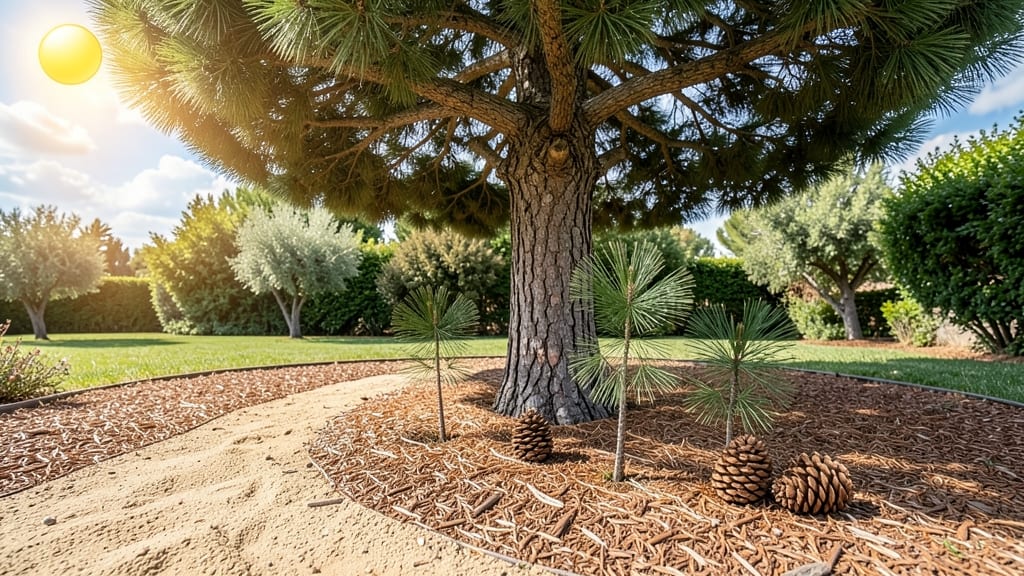
The stone pine tree care thrives where others fail—drought-resistant and low-maintenance, they’re perfect for Mediterranean climates or dry temperate zones. 🌿 I’ve grown mine for years, and they’ve never needed more than occasional watering or pruning to stay stunning.
The key is mimicking their natural habitat: well-draining soil, full sun, and minimal fuss.
These trees love full sun (6+ hours daily) and tolerate poor, rocky soil—ideal for slopes or challenging landscapes. Water deeply once every 2-3 weeks after establishment, letting the soil dry between waterings. Overwatering is the real enemy, as their roots need air to breathe.
Plant saplings in fall or early spring for the best start, spacing them 15-20 feet apart to give them room to mature.
Pruning is simple: remove dead branches in late winter and thin out crowded growth to improve airflow. Watch for pine needle scale, a common pest—spray with horticultural oil if you spot sticky residue on branches.
With minimal care, your stone pine will reward you with fragrant foliage and edible pine nuts for decades.
Perfect for landscaping, erosion control, or even edible gardens—just avoid heavy clay soil. Once established, they’re nearly indestructible. Here’s how to keep yours thriving with ease.
📚 In This Guide
- What you need
- Instructions
- Tips and common mistakes
- Wrapping up and next steps
What you need
- ● Stone pine seedlings or saplings: Choose 1-3-year-old trees from a reputable nursery (ensure they’re disease-resistant). Pro tip: 💡 Opt for container-grown plants for easier transplanting!
- ● Well-draining soil: Mix 60% native soil, 30% coarse sand or perlite, and 10% organic compost (e.g., pine bark fines). Test pH: Aim for 5.5–7.5 (stone pines tolerate slightly acidic to neutral soil).
- ● Mulch: 3–4 inches of pine straw, wood chips, or gravel (avoid organic mulch near the trunk to prevent rot).
- ● Watering can or drip irrigation system: 1–2 gallons capacity for initial watering; later, deep but infrequent watering (1–2 times/week in dry climates).
- ● Shovel or spade: For digging holes 2–3x wider and as deep as the root ball.
- ● Pruning shears: Bypass-style (for clean cuts) or loppers (for thicker branches). Sterilize with rubbing alcohol between cuts! ⏰
- ● Hand saw: For removing thick, woody branches (avoid jagged cuts—aim for 45° angles just outside the branch collar).
- ● Gloves & safety glasses: Protect your hands from sharp needles and eyes from debris.
- ○ Tree tie or soft rope: 1–2 rolls (optional but helpful for supporting young trees in windy areas).
- ● Slow-release fertilizer: Balanced 10-10-10 or organic options like bone meal (apply once in early spring).
- ● Windbreaks: Temporary burlap screens or stakes for young trees in exposed areas.
- ● Fungicide (copper-based): Preventative spray if your area has fungal risks (e.g., Dothistroma needle blight).
- ○ Tree growth regulator: Paclobutrazol granules (optional for controlling height in urban settings).
Step-by-step guide to cultivating a thriving stone pine tree
This Mediterranean native thrives with minimal fuss—here’s how to coax its natural resilience into full bloom.
🌱 Step 1: Select the Perfect Planting Site
The stone pine (Pinus pinea) demands full sun—at least 6-8 hours daily—to develop its signature twisted branches and resin-rich needles. I always choose the driest, sunniest corner of my yard because this tree loves heat and drought once established. Avoid low spots where cold air pools, as young trees are sensitive to frost damage.
Dig a hole twice as wide as the root ball but no deeper—planting too low suffocates roots and invites rot. The top of the root ball should sit 1-2 inches above ground level to prevent waterlogging. Amend the native soil with 10-20% coarse sand if your clay is dense; stone pines hate soggy feet.
☀️ Step 2: Water Deeply but Infrequently
Newly planted stone pines need deep watering every 7-10 days during their first year, but never let them sit in wet soil. I use a 5-gallon watering can to soak the root zone until water runs out the bottom—this encourages deep root growth. After the first year, reduce watering to once every 2-3 weeks unless your region experiences prolonged drought.
Mulch with 3-4 inches of gravel or pine bark (never organic mulch—it retains too much moisture). The mulch layer should extend 2-3 feet outward from the trunk to mirror the tree’s natural Mediterranean habitat. This mimics rocky soil conditions and deters weeds while regulating soil temperature.
✂️ Step 3: Prune Strategically for Structure and Health
Stone pines are naturally slow-growing, so pruning isn’t urgent—but it is critical to maintain their iconic, windswept shape. I prune in late winter or early spring (before new growth begins) to avoid stressing the tree. Remove dead, crossing, or inward-growing branches first, cutting back to the nearest outward-facing bud with clean, sharp pruners.
For shaping, I focus on selective thinning rather than heavy shearing. Stone pines develop lateral branches that create their signature umbrella shape—never prune these unless they’re diseased. If you must reduce size, limit cuts to no more than 25% of the canopy in a single season to avoid shocking the tree.
🪴 Step 4: Protect Against Pests and Disease
Stone pines are remarkably pest-resistant, but aphids and scale insects occasionally target young trees. I monitor for sticky honeydew or white cottony masses on new growth—early signs of infestation. A strong spray of water usually dislodges aphids, but for scale, I apply neem oil (mixed at 1 tbsp per gallon of water) in late afternoon to avoid burning foliage.
Fungal diseases like root rot are the biggest threat, so I never overwater. If you notice yellowing needles or mushroom-like growths at the base, improve drainage immediately by adding coarse sand or crushed gravel around the root zone. Stone pines in containers are especially vulnerable—ensure pots have multiple drainage holes and use a fast-draining cactus/succulent mix.
⏰ Step 5: Enjoy Low-Maintenance Maturity
After 3-5 years, your stone pine will establish deep roots and enter its low-maintenance phase. Watering needs drop to once every 3-4 weeks unless your summer is scorching. The tree’s thick, silvery bark and resinous aroma become even more pronounced as it ages—this is when its Mediterranean charm truly shines.
Stone pines produce edible pine nuts after 10-15 years, but even if yours never fruits, the textured foliage and architectural form make it a stunning focal point. I’ve seen them thrive in USDA Zones 7-10 with minimal care—just sun, space, and occasional pruning. That’s the beauty of Mediterranean natives: they reward patience with effortless elegance.
Tips & tricks for perfect stone pine tree cultivation
Here's what nobody tells you about growing these Mediterranean beauties—tricks that'll turn your stone pine into a showstopper.
Sunlight Strategy: That 6-8 hours of daily sun requirement isn't just about growth—it's about developing those signature twisted branches and resin-rich needles. I've seen trees in partial shade grow leggy and weak. If your yard has limited sun, consider a container where you can move the tree to catch afternoon rays during winter months when sunlight is weaker. The resin production, which gives stone pines their distinctive aroma, actually increases with more sunlight exposure.
Root Zone Revelation: The 1-2 inches above ground level positioning for the root ball might seem minor, but it's crucial for preventing waterlogging. I learned this the hard way when my first stone pine developed root rot from being planted too deeply. Use a level to ensure proper positioning—this small detail makes all the difference in long-term health. For container-grown trees, ensure the pot has drainage holes and elevate it on a saucer rather than letting it sit directly on soil.
Watering Wisdom: Those 7-10 day watering intervals for new plants might seem infrequent, but stone pines actually thrive on this schedule. The key is deep watering—use a 5-gallon can to soak the entire root zone until water runs out the bottom. This encourages deep root growth that makes the tree more drought-resistant over time. I've found that watering in the early morning gives foliage time to dry before evening, reducing fungal risks.
Pruning Precision: When pruning in late winter or early spring, focus on maintaining that natural windswept shape by removing only dead, crossing, or inward-growing branches. I've seen people over-prune, thinking more cuts mean better shape—don't fall for that! Stone pines develop their iconic lateral branches naturally. Cutting back to the nearest outward-facing bud ensures new growth continues in the right direction, maintaining that beautiful architectural form.
Pro Tips for Stone Pine Tree Care
- Here's what nobody tells you about growing these Mediterranean beauties—tricks that'll turn your stone pine into a showstopper.
- Sunlight Strategy: That 6-8 hours of daily sun requirement isn't just about growth—it's about developing those signature twisted branches and resin-rich needles.
- Root Zone Revelation: The 1-2 inches above ground level positioning for the root ball might seem minor, but it's crucial for preventing waterlogging.
Frequently asked questions
How often should I water a stone pine tree?
A mature stone pine is extremely drought-tolerant—water deeply only every 2–3 weeks during the first year after planting, then monthly or less once established. Overwatering is the real risk! Let soil dry completely between waterings to mimic its native Mediterranean climate.
When is the best time to prune a stone pine?
Prune stone pines late winter or early spring (before new growth starts) to avoid stressing the tree. Avoid heavy pruning in summer—it can attract pests. Focus on removing dead, diseased, or crossing branches first. Pro tip: Sterilize tools with rubbing alcohol to prevent fungal spread!
Why are my stone pine needles turning yellow or brown?
Yellowing needles often signal overwatering or poor drainage, while brown tips usually mean underwatering or salt buildup (common in coastal areas). Check soil moisture and ensure well-draining soil. If pests like aphids or scale insects are present, treat with neem oil or insecticidal soap.
Can stone pines grow in containers? What size pot do I need?
Yes! Stone pines adapt well to containers but need at least a 24-inch diameter pot for mature trees. Use a fast-draining mix (like cactus soil + perlite) and ensure the pot has drainage holes. Repot every 2–3 years to prevent root binding. Dwarf varieties (like ‘Umbrella Pine’) are ideal for smaller spaces!
Do stone pines need full sun? What if mine gets partial shade?
Stone pines thrive in full sun (6+ hours daily) but tolerate partial shade (4+ hours). In shadier spots, growth may slow, and needles could thin. If indoors or in low-light areas, supplement with grow lights (12–14 hours/day) for optimal health.
Wrapping up and next steps
Caring for a stone pine tree is all about embracing its natural resilience—minimal effort yields stunning, drought-tolerant beauty! 🌿 With the right pruning, soil prep, and occasional watering, you’ll enjoy a low-maintenance Mediterranean star in your yard. Now’s the time to roll up your sleeves and give it the love it deserves!
🌱 Next Steps:
- Schedule your first pruning session now (early spring or late winter).
- Monitor soil moisture—adjust watering as needed.
- Celebrate your thriving stone pine and share your progress with fellow gardeners!