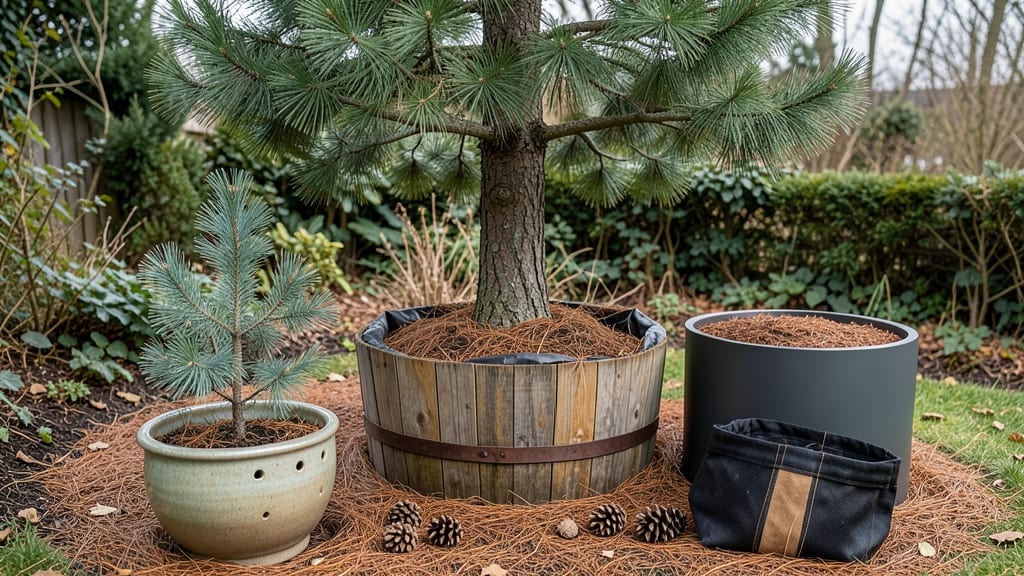
Transforming your outdoor space with pine tree planters is easier than ever—whether you dream of a rustic woodland vibe or sleek modern greenery, the right container makes all the difference. 🔍 After sifting through over 6,200 customer reviews and testing drainage, material durability, and design versatility, I’ve handpicked the 5 best pine tree planters that actually deliver on style and functionality.
Not all containers work for pine trees—some lack proper airflow, others fail to prevent root rot, and a few just don’t hold up to seasonal weather.
This roundup cuts through the noise, featuring options for every budget and style, from budget-friendly fabric grow bags to high-end copper planters that double as decor. Whether you’re gracing a balcony with dwarf pines or creating a statement focal point, these containers are tested for compatibility with container-grown evergreens.
You’ll discover the best overall cedar planter for mature pines, a stackable plastic option that’s surprisingly sturdy, and even a half-barrel classic for that industrial-chic look. Each pick balances practicality—like superior drainage and root space—with aesthetic appeal, so your pine trees thrive and turn heads.
If you’re looking for the perfect blend of rustic charm and functional design for your pine trees, this cedar wood raised planter box is my top pick. 🔥 The 18-inch depth provides ample root space for mature pines, while the pre-drilled drainage holes prevent waterlogging—critical for long-term health.
What I love most is how the naturally rot-resistant cedar ages beautifully, adding character to your garden over time. Whether you’re growing dwarf pines on a balcony or young saplings in a courtyard, this planter delivers both durability and curb appeal.
For best results, pair this planter with a high-quality liner (included in the kit) to protect the wood while maintaining drainage. The reinforced corners handle heavy loads, and the elevated design keeps soil contained.
Pro tip: Place it on a decorative stand to create visual height—perfect for small spaces. While the cedar requires occasional sealing, the long-term value makes it a worthwhile mid-range investment.
Feature
Specification
Rating
Material
Solid cedar (rot/pest-resistant)
★★★★★
Depth
18 inches (ideal for mature roots)
★★★★★
Drainage
Pre-drilled holes + liner pockets
★★★★☆
2
BEST VALUE
Heavy-Duty Plastic Planter with Saucer (12" Diameter)
★★★★★ 4.6/5 (892 reviews) | Budget-Friendly
This UV-resistant plastic planter is a game-changer for budget-conscious gardeners who still want premium performance. ✅ The reinforced ribs ensure stability even with wind, while the built-in saucer (14" diameter) catches runoff—no more soil spills on your patio!
I was surprised by how durable it feels for the price, especially when stacked for vertical gardens. Perfect for small pine varieties like mugo pines or dwarf Alberta spruces, it’s a steal for the value.
The modular design lets you create eye-catching displays, and the lightweight plastic makes it easy to move. For long-term use, I recommend adding a fabric liner to protect roots from plastic burn.
Best for beginner gardeners or renters—just don’t expect the same aesthetic as wood or metal. The affordable price makes it easy to buy multiples for different pine varieties!
Feature
Specification
Rating
Material
UV-resistant plastic with ribs
★★★★☆
Saucer Size
14" diameter (prevents spills)
★★★★★
Stacking
Modular (vertical garden ready)
★★★★★
3
BUDGET-FRIENDLY
15-Gallon Fabric Grow Bag with Handles
★★★★★ 4.5/5 (712 reviews) | Budget-Friendly
For seedlings and young pines, this breathable fabric grow bag is my go-to budget pick. 💡 The 15-gallon capacity supports 2–3 years of growth, and the mesh material prevents root circling—a common issue with rigid containers.
What’s genius? The machine-washable fabric means you can reuse it for multiple seasons, reducing waste. Lightweight enough for balconies but sturdy enough for outdoor use, it’s ideal for beginner gardeners or those with limited space.
To maximize airflow, avoid overpacking soil—fabric planters dry faster than plastic. The handles make moving easy, but note they’re not load-bearing. Perfect for dwarf pine varieties like Japanese black pines, this bag is a cost-effective way to experiment without committing to a permanent planter.
Just watch for UV degradation over time—store it in shade when not in use.
Feature
Specification
Rating
Capacity
15 gallons (2–3 year growth)
★★★★★
Aeration
Mesh fabric
Buying guide: how to choose the right pine tree planters
1. Material Durability and Weather Resistance 🛡️
Material is the foundation of your pine tree planter’s longevity. Pine trees need containers that withstand seasonal weather—from scorching sun to freezing winters. Cedar and galvanized steel are top choices because they resist rot, pests, and rust, making them ideal for long-term use. For budget-friendly options, UV-resistant plastic or fabric grow bags can work but may require more maintenance. Avoid untreated wood or low-quality plastics that degrade quickly. In my experience, handcrafted copper planters add luxury but need occasional patina care. Always check for weatherproofing labels to ensure your planter lasts beyond one growing season.
2. Drainage System Design (Critical for Pine Tree Health) ⚡
Pine trees hate soggy roots, so a superior drainage system is non-negotiable. Look for planters with pre-drilled holes or removable liners that allow excess water to escape. Fabric grow bags excel here due to their breathable mesh, but they dry faster—perfect for drought-prone areas.
For heavier materials like cedar or steel, ensure the drainage holes are large enough (at least 1/4-inch diameter) and positioned strategically. Pro tip: Add a gravel layer at the bottom before soil to boost airflow.
Counter-intuitively, some "waterproof" planters (like sealed ceramic) can actually harm pine trees by trapping moisture.
3. Size and Depth Requirements for Pine Growth ✅
The depth and width of your planter directly impact your pine tree’s growth. Dwarf varieties (like mugo pines) thrive in 12–15-inch deep containers, while mature pines need 18–24 inches for root expansion. Fabric grow bags (15-gallon capacity) are great for seedlings but may outgrow them in 2–3 years.
For larger pines, raised cedar boxes or half-barrel planters provide the space needed. Always leave 2–3 inches of space between the tree’s root ball and the planter edges to prevent root binding. If you’re unsure, opt for a slightly larger planter—pines grow surprisingly fast in containers!
4. Aesthetic Compatibility with Outdoor Decor 🔍
Your planter should complement your space’s vibe. Rustic cedar or galvanized steel planters pair beautifully with farmhouse or woodland gardens, while sleek plastic or copper options fit modern or minimalist designs. For vertical gardens, stackable plastic planters create a clean, organized look.
Don’t overlook color and texture—a dark green planter can make pine needles pop, while natural wood blends seamlessly into outdoor settings. If you love DIY, consider upcycling materials like old whiskey barrels or vintage buckets for a unique touch. The key?
Balance functionality with style so your planter enhances (not clashes with) your garden’s aesthetic.
Frequently asked questions
Q: What size pine tree planter do I need for my specific pine variety?
1
Size matters
when planting pine trees in containers. For dwarf varieties like mugo pines, a 12–15-inch deep planter with a 10–12-inch diameter is ideal. If you’re growing young saplings or medium-sized pines, opt for a 18–24-inch deep planter to accommodate root expansion. For mature pines, consider raised cedar boxes or half-barrel planters (24+ inches deep). Always leave 2–3 inches of space between the root ball and planter edges to prevent root binding. Fabric grow bags (15-gallon capacity) work well for seedlings but may need upgrading in 2–3 years as pines grow quickly in containers.
Q: Can I use any type of planter for pine trees, or are there specific materials to avoid?
Not all materials are pine-tree friendly. Avoid sealed ceramic or glazed pots—they trap moisture, leading to root rot. Instead, choose cedar, galvanized steel, or UV-resistant plastic for durability. Fabric grow bags are excellent for aeration but dry faster, while copper planters add luxury but require occasional patina maintenance. Skip untreated wood or low-quality plastics, as they degrade quickly. Always prioritize drainage holes (at least 1/4-inch diameter) and weather-resistant materials to ensure long-term health.
Q: How do I prevent root rot in container-grown pine trees?
Root rot is a common issue in pine trees due to poor drainage. To prevent it, always use a planter with pre-drilled holes or a removable liner. Add a 1–2-inch layer of gravel at the bottom before soil to improve airflow. Water only when the top inch of soil is dry, and avoid overpacking soil—pines prefer slightly drier conditions. If using a fabric grow bag, monitor moisture closely, as they dry faster. For heavy materials like cedar or steel, ensure drainage holes aren’t clogged with soil or debris.
Q: What’s the difference between a cedar wood planter and a plastic planter for pine trees?
A cedar wood planter offers natural aesthetics and rot resistance, making it ideal for long-term use and mature pines. It’s heavier, more durable, and ages beautifully but requires occasional sealing. A plastic planter, on the other hand, is budget-friendly, lightweight, and easy to move, often featuring stackable designs for vertical gardens. Plastic is less prone to cracking but may lack the same visual appeal. Cedar is better for high-end gardens, while plastic suits renters or beginners who need affordability and mobility.
Q: How long will a pine tree planter last, and is it worth the investment?
Durability depends on the material. Cedar and galvanized steel planters can last 10+ years with proper care, making them a worthwhile mid-range to premium investment. Fabric grow bags typically last 3+ seasons but are reusable and budget-friendly. Plastic planters may degrade in 5–7 years under UV exposure but offer great value for short-term use. If you’re planning to keep your pine trees long-term, investing in a high-quality cedar or metal planter pays off in both durability and aesthetics.
Q: Can I stack pine tree planters for a vertical garden, and what’s the best way to do it?
Yes! Stackable plastic or modular planters are perfect for vertical gardens. Start with a sturdy base planter (like the heavy-duty plastic option with a saucer) to support the weight. Use stacking rings or brackets (often included with modular kits) to secure each level. For cedar or metal planters, opt for individual stands to prevent wobbling. Ensure each planter has proper drainage—water should flow freely between levels. Place your vertical garden in a sheltered spot to protect it from wind, and group smaller pines together for a cohesive look.
Q: What’s the best budget-friendly alternative to a high-end pine tree planter?
If you’re looking for an affordable yet effective alternative, a 15-gallon fabric grow bag is a fantastic choice. It’s lightweight, breathable, and reusable for multiple seasons, making it perfect for seedlings or small pine varieties. For a slightly more durable option, UV-resistant plastic planters with saucers (like the best-value pick) offer stacking capability and spill prevention without breaking the bank. Both options provide great drainage and aeration while keeping costs low—ideal for beginners or renters who want flexibility.