
Leaf Blower
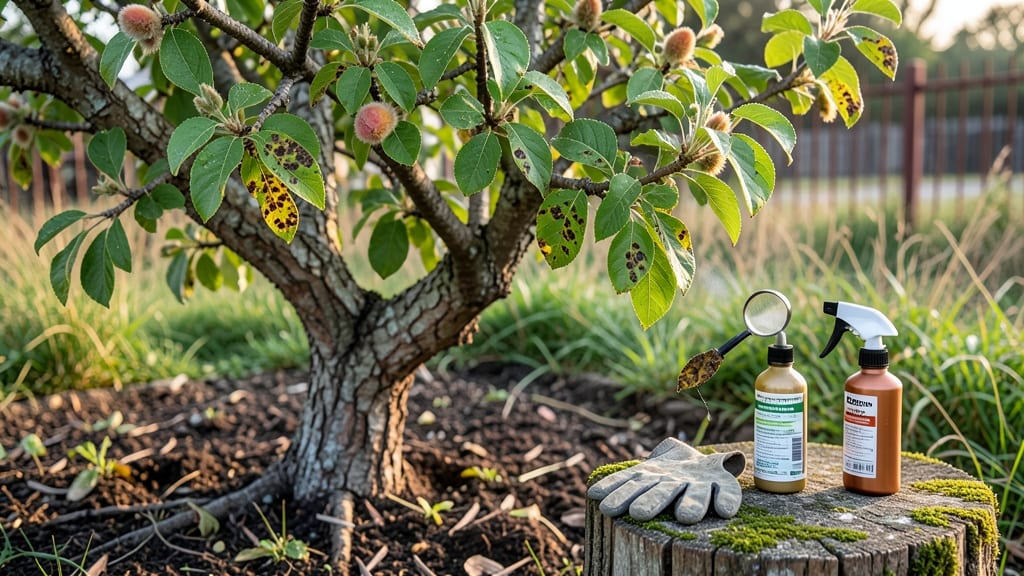
Peach tree leaf spots turn your tree into a sad, spotted mess—until you know how to fight back. 🌿 I’ve battled fungal diseases like brown rot and bacterial spot, and the good news is, organic sprays and smart pruning can bring your tree back to life.
The secret is acting fast before the spots spread.
These spots show up when humidity lingers, air circulation stalls, or last year’s infected leaves stay on the ground. Wet springs and crowded branches create the perfect storm for fungi. Prune for airflow, clean up fallen leaves, and water at the base—not overhead—to starve the problem before it starts.
With copper fungicide sprays and neem oil, you’ll see new growth pushing out within weeks. The spots fade, leaves stay green, and your tree regains its strength. No more brown patches ruining the harvest—just a healthy, productive peach tree.
For stubborn cases, a professional’s help might be worth it. But most home gardeners can fix this with the right tools and timing. Let’s get your tree thriving again.
The Hidden Culprits Behind Spotted Leaves
Understanding why your peach tree’s leaves develop unsightly spots is the first step toward restoring its health. These issues rarely appear out of thin air—they’re almost always the result of environmental stress, microbial invaders, or poor cultural practices.
Below, we break down the primary causes of peach tree leaf spots, complete with the science behind them and actionable insights to address them.
Fungi are the #1 culprit behind peach tree leaf spots, thriving in warm, humid conditions. Three key fungal diseases wreak havoc on peach foliage:
- Brown Rot (Monilinia fructicola)
- Science deep dive: The fungus produces acervuli (spore-producing structures) on infected tissue, releasing conidia that germinate in moisture (>24 hours of leaf wetness).
- Red flags: Dark, circular spots with concentric rings; spots may drop out, leaving "shot-hole" holes. 🚨 Infection peaks in spring blooms and summer rains.
Pro Tip: 💡 Fungal spores can survive on fallen leaves for years—clean up debris in late fall to starve them out!
Peach trees aren’t built for prolonged stress—and Mother Nature often delivers it. These weather conditions create ideal conditions for leaf spots:
- Excessive Rain or Overhead Watering
- Why it matters: Water droplets splash spores onto leaves, while prolonged leaf wetness (>12 hours) drowns the tree’s natural defenses.
- Science: Peach leaves have cuticular wax layers that repel water, but heavy rain strips this protection, making tissues vulnerable to fungal penetration.
- Actionable fix: Use drip irrigation (not sprinklers) and water early in the day to allow foliage to dry.
- High Humidity + Stagnant Air - Why it matters: Humidity >75% slows leaf evaporation, creating a fungal buffet.
Poor air circulation (e.g., dense plantings) traps spores near the tree. - Science: Fungi like Alternaria produce toxins that disrupt the tree’s stomata (pores), leading to cell death and spot formation. - Actionable fix: Prune for open airflow and avoid planting peach trees near thick hedges or fences.
- Temperature Swings
- Why it matters: Rapid shifts (e.g., cool nights + warm days) weaken the tree’s cuticle, making it easier for pathogens to invade.
- Science: Peach trees undergo diurnal stress, where nighttime chilling reduces phenolic compounds (natural fungicides) in leaves.
- Actionable fix: Mulch with wood chips to moderate soil temps and reduce stress.
A stressed peach tree is like an open invitation for fungi. These cultural mistakes leave trees vulnerable:
- Nutrient Imbalances - Deficiency in: Nitrogen (N), Potassium (K), or Zinc (Zn) weakens cell walls, making them easier targets. - Excess of: Nitrogen (without K) leads to soft, sappy growth—fungi’s favorite snack. - Actionable fix: Test soil and balance NPK (e.g., 10-10-10 fertilizer + micronutrients).
Avoid high-nitrogen lawn fertilizers near trees.
- Physical Damage
- Hail, improper pruning, or herbicide drift create entry points for fungi.
- Science: Wounded cells secrete sugars, which fungi use as food to colonize.
- Actionable fix: Seal pruning cuts with pruning paint (for cuts >½ inch) and avoid mowing too close to the trunk.
- Compacted or Waterlogged Soil - Why it matters: Poor drainage strangles roots, reducing the tree’s ability to transport antifungal compounds to leaves. - Science: Anaerobic soil (low oxygen) triggers ethylene production, a plant stress hormone that suppresses immunity. - Actionable fix: Amend soil with compost and gypsum to improve drainage.
Avoid planting in low-lying areas.
Sometimes, leaf spots aren’t the main event—they’re the sidekick. These pests damage leaves, creating perfect fungal entry points:
- Japanese Beetles & Leaf Miners
- How they help fungi: Their feeding scars break the leaf surface, allowing spores to land in open wounds.
- Actionable fix: Handpick beetles or use neem oil sprays to deter them.
- Aphids & Scale Insects
- How they help fungi: Their honeydew (sticky waste) fosters sooty mold, which blocks sunlight and stresses the tree.
- Actionable fix: Blast off aphids with water sprays or introduce ladybugs (natural predators).
Key Takeaway: Leaf spots on peach trees are almost always multifactorial—fungi need the right weather, wounds, and weak defenses to take hold. The good news? Break the cycle by addressing one or two root causes, and your tree’s resilience will improve dramatically. 🌱
Fixing Fungal Leaf Spots Naturally
Fungal leaf spots don’t have to mean the end of your peach tree’s health—with the right approach, you can restore its vibrancy and prevent future outbreaks. Below, we’ve mapped out practical, organic solutions tailored to the most common causes of leaf spots, from fungal infections to environmental stressors.
Each fix is designed to be easy to implement while keeping your tree (and the planet) happy.
If your peach tree leaves are covered in dark, greasy spots (bacterial) or tan/yellow rings with dark edges (fungal), the first step is identification. Bacterial spots often ooze, while fungal spots may have a fuzzy or powdery texture.
🔥 Step 1: Prune & Remove Infected Leaves
- 👨🍳 Cut out severely spotted leaves with sterilized pruners (wipe with rubbing alcohol between cuts).
- 🗑️ Bag and dispose of infected foliage in the trash (not compost)—fungus can survive in organic matter.
- ⏰ Do this in dry weather to prevent spore spread.
🥘 Step 2: Apply Organic Fungicides
Use copper-based sprays (like copper fungicide) or baking soda spray (1 tbsp baking soda + 1 tsp dish soap + 1 gallon water). Spray both sides of leaves and the tree trunk every 7–10 days until new growth appears.
🌡️ Step 3: Improve Air Circulation
- ✂️ Thin out dense branches to allow sunlight and airflow.
- 🌳 Space trees 8–10 feet apart if replanting.
- 💡 Pro Tip: Avoid overhead watering—use drip irrigation to keep leaves dry.
If spots look dry, crispy, or bleached (not slimy or fuzzy), your tree may be suffering from sunburn or nutrient deficiency.
🔥 Step 1: Adjust Watering Practices
- 💧 Water deeply 1–2 times per week (not daily light sprinkles).
- 🌱 Mulch around the base (2–3 inches of wood chips or straw) to retain moisture.
- 🌡️ Water in the early morning to reduce evaporation.
🍳 Step 2: Balance Soil Nutrition
- 📊 Test soil pH (ideal for peach trees: 6.0–6.5).
Amend with sulfur (to lower pH) or lime (to raise pH) if needed. - 💪 Fertilize with compost or organic matter (like fish emulsion or kelp meal) in early spring. - ✨ Pro Tip: Avoid high-nitrogen fertilizers—they can worsen sun sensitivity.
🌿 Step 3: Provide Temporary Shade
- 🌳 Use shade cloth (30–50%) for young trees in hot afternoons.
- 🏡 Plant near a building or fence to block harsh western sun.
If spots are tiny, stippled, or accompanied by webbing, pests like spider mites or aphids may be the culprits.
🔪 Step 1: Blast Off Pests
- 💦 Spray with a strong hose stream to knock off mites/aphids.
- 🍳 Apply neem oil spray (1 tbsp neem oil + 1 tsp soap per gallon of water) every 5–7 days.
🌡️ Step 2: Encourage Beneficial Insects
- 🐞 Plant dill, fennel, or marigolds nearby to attract ladybugs and lacewings.
- 💡 Pro Tip: Avoid broad-spectrum pesticides—they kill helpful bugs too!
🌿 Step 3: Keep the Tree Healthy
- 🍄 Strong trees resist pests better—ensure proper watering, pruning, and fertilization.
Once your tree is healthy, lock in those gains with these long-term strategies:
- 🌱 Sanitize tools between cuts (rubbing alcohol or bleach solution).
- 🍄 Rotate organic fungicides (e.g., alternate copper with potassium bicarbonate).
- 🌞 Monitor for early signs—catch spots before they spread!
- 🌿 Plant resistant varieties (like ‘Redhaven’ or ‘Elberta’ peaches).
- 📅 Prune in late winter to remove weak branches before fungal season.
Final Thought: With consistent care, your peach tree can bounce back stronger than ever. Spot treatment + prevention = a thriving, spot-free orchard! 🌳🍑
Frequently asked questions
What’s the difference between fungal leaf spots and bacterial spots on peach trees?
Fungal spots usually have powdery or fuzzy edges and may show concentric rings, while bacterial spots often appear greasy or oozy with irregular borders. Fungal spots thrive in humidity, while bacteria spread when leaves stay wet for long periods. Test with a cotton swab—bacterial spots will smear.
Can I still harvest peaches if the leaves have spots?
Yes, but focus on healthy fruit first. Remove any peaches near heavily spotted leaves, as fungal spores can infect fruit. Spotty leaves won’t necessarily ruin fruit quality unless the disease spreads to the blossoms or branches. Harvest early if spots appear late in the season.
How often should I spray copper fungicide for prevention?
Apply copper fungicide every 2–3 weeks during spring bloom and summer rains—the peak fungal seasons. For organic sprays, alternate with neem oil or baking soda to prevent resistance. Always spray early morning so leaves dry quickly.
Will pruning help if my peach tree already has leaf spots?
Prune to remove 100% of infected leaves and improve airflow. Cut back dense branches and thin out crowded growth. Sterilize tools between cuts (use rubbing alcohol) to avoid spreading spores. Prune on a dry, sunny day for best results.
When should I call a professional arborist for peach tree leaf spots?
Consult an expert if spots cover 50%+ of leaves, appear on new growth despite treatment, or if the tree shows wilting or dieback. Severe cases may need systemic fungicides or soil amendments beyond DIY fixes. Arborists can also diagnose less common diseases like peach leaf curl.