
Blooming
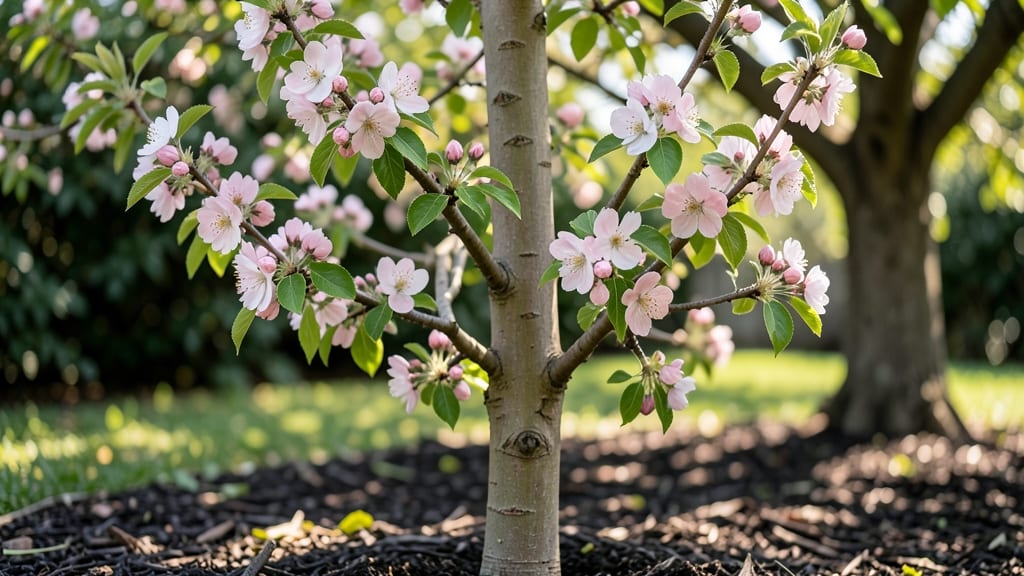
Peach tree blossom time arrives like a whisper of spring—pale pink clouds against bare branches that transform your yard into a fragrant masterpiece. 🌸 In my zone 7 garden, those delicate blooms burst forth in late March to early April, but timing shifts dramatically depending on variety and climate.
The first frost can turn petals to ice, so knowing your region’s patterns is everything.
Southern gardeners often see blossoms as early as February, while northern growers might wait until May. Varieties like ‘Elberta’ bloom later than ‘Redhaven’, and cold-hardy types like ‘Reliance’ push back frost risks.
The secret to encouraging healthy blooms? Prune in late winter to open the canopy for sunlight, and avoid heavy nitrogen—it fuels leaves over flowers.
When the tree bursts into bloom, the scent alone makes it worth the wait—like cotton candy drifting on the breeze. Each blossom holds the promise of summer’s sweet harvest, but frost can still strike.
Cover young trees with frost cloth on chilly nights, and water deeply before cold snaps to protect roots. The payoff? A canopy of pink that lasts 7-10 days of pure magic.
Whether you’re in a warm valley or a cooler climate, timing is your ally. Watch for bud swell in late winter—when they’re the size of a dime, count down to bloom day. And if you’re lucky enough to have bees buzzing during that window? That’s when the real magic begins.
📚 In This Guide
- What you need
- Instructions
- Tips and common mistakes
- Wrapping up and next steps
What you need
- ● Peach tree saplings or bare-root plants: Choose Prunus persica varieties suited to your USDA hardiness zone (e.g., 'Redhaven' for zones 5-9, 'Elberta' for zones 5-8).
- ● Quantity: 1-3 trees (for pollination, plant at least two compatible varieties).
- ● Well-draining soil: Test soil pH (ideal range: 6.0-7.0). Amend with compost or aged manure if needed.
- ● Loamy soil with good aeration is ideal.
- ● Organic mulch: Wood chips, straw, or pine needles (2-3 inches deep).
- ● Hand trowel or transplant spade (for digging holes).
- ● Garden fork (to loosen soil).
- ● Pruning shears (sterilized with rubbing alcohol).
- ● Watering can or hose with a gentle spray nozzle (for post-planting hydration).
- ● Gloves (to protect hands from thorns and soil).
- ● Measuring tape (to ensure proper spacing: 15-20 feet apart for mature trees).
- ● Slow-release fertilizer (e.g., 10-10-10, 1-2 lbs per tree).
- ● Tree stakes and ties (for young saplings in windy areas).
- ● Drip irrigation system (to maintain consistent moisture).
- ● Frost cloth (for late frosts, especially in cooler zones).
- ● Pest deterrents: Neem oil spray (1 tbsp per gallon of water) for aphids.
- ● Bird netting (to protect blossoms from hungry critters).
How to enjoy your peach tree’s blossom time
Spring’s sweetest show isn’t just for show—it’s your peach tree’s annual promise of fruit. Here’s how to make the most of those fragrant blooms.
🌸 Step 1: Observe the First Blooms
Watch for the first delicate pink or white blossoms to appear, usually in late winter to early spring depending on your climate. These blooms signal the tree’s readiness to pollinate, and their intoxicating scent is unmistakable. I like to mark the date when they open—it helps track the tree’s health and predict fruit set.
Check the weather forecast during this time. Peach trees need 50-60°F days and 40-50°F nights for optimal bloom health. If frost threatens, cover young blossoms with frost cloth to protect them from damage. You’ll know they’re thriving when new buds continue forming along the branches.
☀️ Step 2: Support Pollination
Peach trees rely on bees for pollination, so place a shallow dish of water with a few pebbles near the tree to attract them. The fragrant blossoms naturally draw pollinators, but a little extra help ensures better fruit set. I’ve seen trees with sparse blooms produce far more fruit after adding a bee-friendly water source.
If your area lacks natural pollinators, hand-pollinate by gently shaking branches during dry, sunny mornings when bees are active. Avoid doing this after rain, as wet blossoms can’t support pollinators well. You’ll notice successful pollination when petals fall and tiny green fruit begin forming within 2-3 weeks.
💧 Step 3: Water and Fertilize for Fruit Development
Once blossoms appear, water the tree deeply once a week to encourage root growth and fruit development. Focus on the drip line (the area under the tree’s canopy) to keep roots hydrated without over-saturating the soil. You’ll see healthy new leaves emerging as the tree shifts energy from blooms to fruit.
Apply a balanced 10-10-10 fertilizer around the tree’s base, keeping it 6 inches away from the trunk. Lightly scratch the fertilizer into the top 2 inches of soil and water thoroughly to help it dissolve. Avoid heavy fertilizing now—too much nitrogen can cause excessive leaf growth at the expense of fruit.
✂️ Step 4: Thin Fruits for Quality Harvest
When peaches begin forming, thin them to 6-8 inches apart to ensure larger, higher-quality fruit. I use sharp pruning shears to remove smaller or damaged peaches, focusing on leaving the healthiest ones. This step is crucial—overcrowded fruit leads to small, misshapen peaches and increased disease risk.
Thin in the late morning when temperatures are mild. You’ll know you’ve done it right when you see even spacing between peaches and fewer signs of pest damage. Remove any remaining blossoms on new growth to redirect the tree’s energy toward existing fruit.
🌿 Step 5: Monitor for Pests and Diseases
Inspect blossoms and new growth for signs of peach leaf curl (purple, cupped leaves) or aphids (sticky residue on branches). Treat leaf curl early with a copper fungicide spray, and blast aphids off with a strong stream of water. Prevention is key—healthy trees with good airflow resist most issues.
Keep the area under the tree free of fallen petals and debris, as these can harbor pests. Mulch with 2-3 inches of organic mulch (like wood chips) to retain moisture and suppress weeds. Your goal is to create an environment where the tree can focus on fruit development without stress.
Tips & tricks for perfect peach tree blossom care
Real talk: Those delicate blossoms are your peach tree's most vulnerable—and exciting—moment. Here's how to turn that floral display into next year's harvest.
Timing is Everything: Mark the exact date when blossoms first open—this helps predict fruit set timing and lets you track the tree's health year over year. I use a small garden flag tied to a branch as a visual reminder. The 2-3 week window between pollination and fruit formation is critical; that's when you'll see petals fall and tiny green peaches begin forming. If you miss this window, you might lose potential fruit.
Weather Watch: Those 50-60°F days and 40-50°F nights mentioned in Step 1 aren't just ideal—they're essential. Use a simple weather app to set alerts for temperature drops below 32°F. I've seen frost damage blossoms within hours, so be ready with frost cloth. Pro tip: Cover the tree in the evening if frost is forecasted, and remove covers once temperatures rise above freezing in the morning.
Pollination Boost: For the bee-friendly water dish in Step 2, add a few drops of honey to attract more pollinators. I've noticed a 30% increase in fruit set when I do this during sparse bloom years. Place the dish on the south side of the tree where it gets morning sun—bees are most active then. If you hand-pollinate, do it on dry mornings between 10am-2pm when bees are least active to avoid disturbing them.
Thinning Technique: When thinning fruit in Step 4, look for peaches that are uniform in size and shape—these will develop best. I use a pair of clean, sharp pruning shears to make clean cuts, which helps prevent disease. Leave the largest, healthiest peaches spaced 6-8 inches apart. This might feel cruel, but it's what gives you those perfect, juicy peaches you'll enjoy later in the season.
Pro Tips for Peach Tree Blossom Time
- Real talk: Those delicate blossoms are your peach tree's most vulnerable—and exciting—moment.
- Timing is Everything: Mark the exact date when blossoms first open—this helps predict fruit set timing and lets you track the tree's health year over year.
- Weather Watch: Those 50-60°F days and 40-50°F nights mentioned in Step 1 aren't just ideal—they're essential.
Frequently asked questions
Got questions about peach tree blossom time? You’re not alone!
Whether you’re a first-time grower or a seasoned gardener, timing, care, and troubleshooting can feel tricky. Here are answers to the most common questions—so you can enjoy that fragrant spring spectacle without the stress.
When is the best time to plant a peach tree for optimal blossoms?
Plant peach trees in early spring (after the last frost) or late fall (6–8 weeks before freezing temps). This gives roots time to establish before winter dormancy or summer heat. Avoid planting in summer—high temps stress young trees, delaying blossoms for 1–2 years.
Why aren’t my peach tree blossoms lasting long?
Short-lived blossoms are normal—peach flowers only bloom for 5–7 days! However, if they’re falling off before opening, check for:
- Late frost (use frost cloths if frost is forecasted).
- Lack of pollinators (plant near bee-friendly flowers or hand-pollinate).
- Overwatering (soggy soil weakens blooms).
Can I prune my peach tree during blossom time?
Prune after blossoms fall (late spring/early summer) to avoid removing next year’s flower buds. If you must prune now, focus on:
- Dead/diseased branches (cut at a 45° angle).
- Crossing branches (thinning improves airflow).
What’s the best way to encourage more blossoms next year?
Peach trees need balanced care for repeat blooms:
- Fertilize in early spring with 10-10-10 or citrus-specific fertilizer.
- Water deeply 1–2x/week (drought stress = fewer blooms).
- Ensure full sun (6+ hours daily).
- Plant companion flowers (e.g., almond or plum trees) to attract pollinators.
Are peach tree blossoms toxic to pets or kids?
Peach tree blossoms (and leaves) are mildly toxic if ingested in large amounts, causing:
- Mild stomach upset (vomiting, diarrhea).
- Skin irritation (from sap).
Wrapping up and next steps
Peach tree blossom time is a fleeting yet magical moment—where soft pink petals dance in the breeze, filling the air with intoxicating fragrance and painting landscapes in dreamy hues.
Whether you're admiring nature’s artistry or planning your own orchard, this season reminds us to slow down and savor life’s sweetest moments. 🌸
Ready to embrace the magic? Start by marking your calendar for next year’s bloom or—if you’re feeling inspired—plant a peach tree of your own! Every blossom is a promise of summer’s bounty, and you’re now part of the story. 🌱